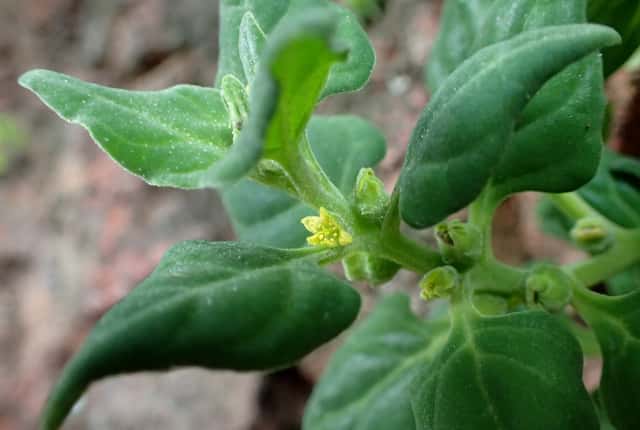
Aizoaceae
How to Grow and Care for New Zealand Spinach (Warrigal Greens)
Tetragonia tetragonoides
New Zealand Spinach is easy to grow and requires minimal care. Plant in full sun with well-draining soil. Water regularly until established, then reduce frequency as it tolerates drought well. Harvest young leaves regularly to encourage continuous production through summer.
Every 5 days
Direct sun
10° - 36°C
40% - 70%
Categories
What is New Zealand Spinach?
New Zealand Spinach (Tetragonia tetragonoides) is a easy-care plant from the Aizoaceae family. Tetragonia tetragonoides, commonly known as New Zealand Spinach or Warrigal Greens, is a fast-growing, heat-tolerant leafy vegetable native to New Zealand, Australia, and East Asia. Unlike common spinach, it thrives in hot summers and is highly drought-tolerant once established, making it an ideal w...
New Zealand Spinach grows up to 40cm, with spread of 120cm, watering every 5 days, 10°C – 36°C, 40–70% humidity. It is not suitable for indoor environments and safe for pets.
Unlike many tropical plants, New Zealand Spinach tolerates watering mistakes. Best for beginners. Unlike many popular species, New Zealand Spinach is safe to keep around pets.
How to Care for New Zealand Spinach?
TLDR: New Zealand Spinach needs Direct sun, watering every 5 days, and temperatures between 10-36°C with 40-70% humidity.
How Often Should You Water New Zealand Spinach?
Water every 4-6 days during active growth. Once established, reduce watering as the plant is drought-tolerant. Avoid waterlogging — this plant prefers slightly dry conditions over soggy soil.
How Much Light Does New Zealand Spinach Need?
Requires full sun (at least 6-8 hours per day). Does not tolerate shade — insufficient light leads to leggy growth and reduced leaf production.
What Is the Best Soil for New Zealand Spinach?
Prefers well-draining, moderately fertile soil. Thrives in sandy or loamy soil with a pH of 6.0–7.5. Enriching with organic compost before planting improves leaf quality.
What Pot Should You Use for New Zealand Spinach?
Garden bed or large container with drainage holes. Terracotta or wooden raised beds are ideal for good drainage.
Care Schedule
Fertilize
Every 30 days
Misting
Every 3 days
Rotate
Every 7 days
Repot
Every 365 days
What Is New Zealand Spinach and Where Does It Come From?
Tetragonia tetragonoides, commonly known as New Zealand Spinach or Warrigal Greens, is a fast-growing, heat-tolerant leafy vegetable native to New Zealand, Australia, and East Asia. Unlike common spinach, it thrives in hot summers and is highly drought-tolerant once established, making it an ideal warm-season green. Its succulent, arrow-shaped leaves are used as a spinach substitute and are valued for their nutritional content.
How to Propagate New Zealand Spinach?
Seed Sowing
Pre-soaking seeds dramatically improves germination rates. Sow in warm conditions — soil temperature should be above 15°C for best results.
- 1 Soak seeds in warm water for 12-24 hours to speed germination
- 2 Sow seeds 1 cm deep in moist, well-draining soil after the last frost
- 3 Space plants 30-40 cm apart to allow spreading
- 4 Keep soil moist until seedlings emerge (10-20 days)
- 5 Thin seedlings to strongest plant per spot once 5 cm tall
Materials needed:
Stem Cutting
Cuttings root very easily and quickly. Keep the medium consistently moist but not waterlogged.
- 1 Take a 10-15 cm stem cutting from a healthy plant
- 2 Remove lower leaves, leaving only 2-3 at the tip
- 3 Plant cutting in moist, sandy soil or place in water
- 4 Keep in a warm, bright spot until roots develop
- 5 Transplant to final location once roots are 2-3 cm long
Materials needed:
How Big Does New Zealand Spinach Grow?
TLDR: New Zealand Spinach can reach up to 40cm tall with Fast growth rate.
Max height
40cm
Spread
1.2m
Growth rate
Fast
Foliage
Semi-evergreen
Plant Uses
Edible
Can be consumed
Ornamental
Great for decoration
Ground Cover
Soil coverage
Medicinal Uses
- Historically used as an antiscorbutic to treat scurvy due to high vitamin C content
- Traditional Aboriginal use as a medicinal plant
- Research suggests anti-ulcerogenic properties
Culinary Uses
- Cooked as a spinach substitute — steam, sauté, or add to soups and stews
- Young leaves can be eaten raw in salads in small amounts
- Blanching for 1-2 minutes reduces oxalate content before consumption
- Used in stir-fries and Asian cuisines throughout East Asia
Is your plant showing symptoms?
Click on the symptom to discover possible causes:
What Diseases Commonly Affect New Zealand Spinach?
TLDR: New Zealand Spinach is susceptible to 7 known diseases. Monitor regularly for early detection.
Downy Mildew
Downy mildew is a fungal-like disease caused by oomycetes (water molds) that thrives in cool, wet conditions. It affects a wide range of plants, causing yellowing leaves with fuzzy white-gray growth underneath, leading to defoliation and reduced yields if left untreated.
Aphids
Aphids are small, soft-bodied, pear-shaped insects (1/16 to 1/8 inch long) that feed by sucking nutrient-rich sap from plants. They reproduce rapidly and can quickly weaken plants, causing distorted growth and transmitting plant viruses. Aphids come in various colors including green, black, red, yellow, brown, and gray. They secrete honeydew, a sticky substance that attracts ants and encourages sooty mold growth.
Root-Knot Nematodes
Root-knot nematodes (Meloidogyne species) are microscopic roundworms that parasitize plant roots, causing characteristic galls or knots. These soil-borne pests are among the most economically damaging plant pathogens worldwide, affecting a wide range of ornamental and edible plants. The nematodes inject enzymes into root cells, causing abnormal swelling and disrupting water and nutrient uptake.
Slugs and Snails
Slugs and snails are mollusks that feed on plant tissue, causing irregular holes in leaves and damage to young seedlings. They are most active at night and in moist conditions, leaving characteristic silvery slime trails. These pests can quickly devastate gardens, especially during wet seasons.
Meaning & Symbolism
A symbol of resilience and abundance, associated with survival and self-sufficiency. Historically, explorers and sailors depended on it as a vitamin C source to prevent scurvy during long ocean voyages.
Fun Facts
New Zealand Spinach was collected by Sir Joseph Banks during Captain Cook's first voyage to New Zealand in 1769 and introduced to European cuisine
It was used by sailors as a scurvy preventative on long sea voyages due to its high vitamin C content
Despite its name, it belongs to the Aizoaceae family — not related to common spinach (Amaranthaceae) at all
It can spread up to 1.2 metres wide, making it an effective edible ground cover
Frequently asked questions
How often should I water New Zealand Spinach?
Can New Zealand Spinach grow in summer heat?
Is New Zealand Spinach edible raw?
How do I propagate New Zealand Spinach?
Is New Zealand Spinach toxic to pets?
Compare with similar plants
| Attribute | Difficulty | Light | Watering | Pet Safe |
|---|---|---|---|---|
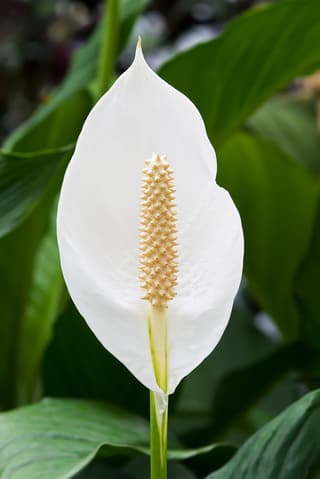
| Peace Lily | Easy | Low light | 4d | ⚠️ |
| Swiss Cheese Plant | Easy | Partial shade | 10d | ⚠️ |
| Golden Pothos | Easy | Low light | 8d | ⚠️ |
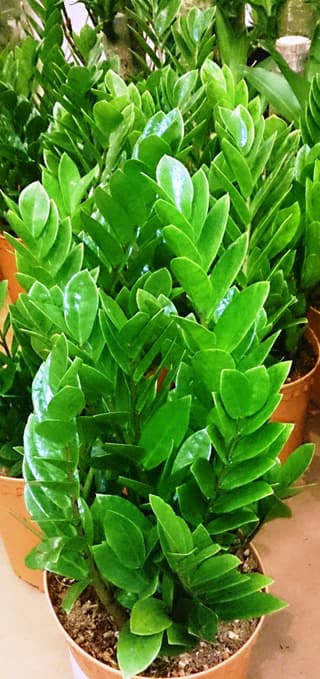
| ZZ Plant | Easy | Low light | 18d | ⚠️ |