Asteraceae
Musk Thistle: Edible Plant
Carduus nutans
Carduus nutans is an extremely low-maintenance biennial that thrives without any care once established. It grows best in open sunny sites with well-drained or even poor soil and tolerates drought well. It is entirely unsuitable for indoor cultivation and is grown outdoors — if at all — purely for ornamental or pollinator purposes. In many regions it is a regulated noxious weed and planting or propagating it may be illegal. If managing an existing stand, cut flower stems before seed set (when heads just begin to open) to prevent spread. No fertilization, misting, or repotting is needed.
Every 12 days
Direct sun
-15° - 35°C
30% - 70%
Categories
What is Musk Thistle?
Musk Thistle (Carduus nutans) is a easy-care plant from the Asteraceae family. Musk thistle (Carduus nutans) is a biennial weed native to Europe, western Asia, and North Africa, now widely naturalized and declared a noxious invasive species across North America, Australia, New Zealand, and South Africa. In its first year it forms a low, spiny rosette of deeply lobed, grey-gree...
Musk Thistle grows up to 1.7m, spread of 60cm, watering every 12 days, -15°C – 35°C, 30–70% humidity. It is not suitable for indoor environments and safe for pets.
Unlike many tropical plants, Musk Thistle tolerates watering mistakes. Best for beginners. Unlike many popular species, Musk Thistle is safe to keep around pets.
How to Care for Musk Thistle?
TLDR: Musk Thistle needs Direct sun, watering every 12 days, and temperatures between -15-35°C with 30-70% humidity.
How Often Should You Water Musk Thistle?
Musk thistle is drought-tolerant and rarely needs supplemental watering once established. In very dry spells during the rosette stage, water every 10–14 days. Avoid waterlogging — the taproot is prone to rot in poorly drained, constantly wet soil.
How Much Light Does Musk Thistle Need?
Full sun is essential. Carduus nutans cannot grow in shade and performs best in open, exposed sites receiving 6+ hours of direct sunlight daily. Reduced light leads to weak, floppy growth and reduced flowering.
What Is the Best Soil for Musk Thistle?
Grows in a wide range of soils — sandy, loamy, or clay — but strongly prefers well-drained, calcareous (chalky or limestone) soils with a pH of 5.5–8.0. It colonizes disturbed, nutrient-poor ground readily and does not require fertile or amended soil.
What Is Musk Thistle and Where Does It Come From?
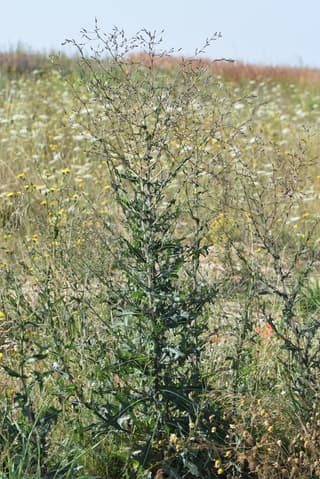
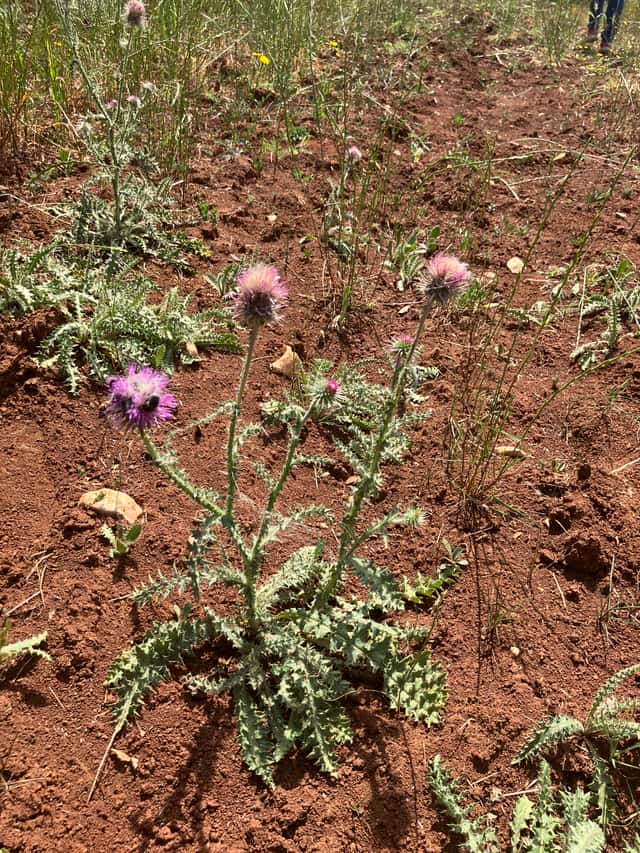
Musk thistle (Carduus nutans) is a biennial weed native to Europe, western Asia, and North Africa, now widely naturalized and declared a noxious invasive species across North America, Australia, New Zealand, and South Africa. In its first year it forms a low, spiny rosette of deeply lobed, grey-green leaves with wavy white margins. In its second year it bolts to 30–170 cm (occasionally up to 270 cm), producing branched, spine-winged stems topped with large, solitary, nodding flowerheads 3–6 cm across in shades of reddish-purple to violet — giving the plant its "nodding" character. Flowers emit a sweet musk-like fragrance that attracts bees, butterflies, and hoverflies in abundance. A single plant can produce up to 20,000 seeds that remain viable in soil for up to 20 years, making it an aggressive colonizer of pastures, roadsides, disturbed ground, and waste areas. Despite its invasive reputation, it has a long history of limited edible and medicinal use in its native range.
How to Propagate Musk Thistle?
How Big Does Musk Thistle Grow?
TLDR: Musk Thistle can reach up to 1.7m tall with Fast growth rate.
Max height
1.7m
Spread
60cm
Growth rate
Fast
Foliage
Deciduous
Plant Uses
Ornamental
Great for decoration
Medicinal
Medicinal properties
Edible
Can be consumed
Medicinal Uses
- Flowers historically used as a febrifuge (fever reducer) and blood purifier in European folk medicine.
- Seeds yield a fixed oil (41–44% oil content) rich in linoleic acid, studied for potential benefit in atherosclerosis prevention.
- Leaves and seeds used as a bitter tonic to stimulate liver function, analogous to milk thistle (Silybum marianum).
- Turkish folk medicine has used flowering branch preparations to treat prostate disease, kidney stones, malaria, and constipation.
- Herbal decoctions of Carduus nutans have been used for general detoxification in European ethnobotany.
Culinary Uses
- The pith of young stems can be peeled and boiled, tasting similar to asparagus or artichoke hearts — described as pleasant and mildly bitter.
- Young leaves can be juiced into a 'green thistle drink' or added raw to salads after removing the spines.
- Dried flowers have been used as a vegetable rennet (curdling agent) for making plant-based cheeses and milks.
- Flower receptacles (the fleshy base) can be eaten like mini artichoke hearts when young.
- Caution: only harvest from plants growing in uncontaminated, pesticide-free areas away from roadsides.
Is your plant showing symptoms?
Click on the symptom to discover possible causes:
What Diseases Commonly Affect Musk Thistle?
TLDR: Musk Thistle is susceptible to 8 known diseases. Monitor regularly for early detection.
Rust
Rust is a common fungal disease caused by fungi in the order Pucciniales that affects a wide variety of plants. The disease gets its name from the characteristic orange, yellow, or reddish-brown pustules that appear on leaves, resembling metal rust. This obligate fungal parasite requires living plants to survive and can cause significant economic losses in agricultural crops.
White Mold
White mold (Sclerotinia sclerotiorum) is a devastating fungal disease affecting over 400 plant species worldwide. The fungus produces black, seed-like structures (sclerotia) that can survive in soil for 5 or more years. The disease is favored by cool, moist weather (50-68°F/10-20°C), especially during flowering.
Aphids
Aphids are small, soft-bodied, pear-shaped insects (1/16 to 1/8 inch long) that feed by sucking nutrient-rich sap from plants. They reproduce rapidly and can quickly weaken plants, causing distorted growth and transmitting plant viruses. Aphids come in various colors including green, black, red, yellow, brown, and gray. They secrete honeydew, a sticky substance that attracts ants and encourages sooty mold growth.
Caterpillars
Caterpillars are the larval stage of moths and butterflies that feed voraciously on plant foliage, stems, flowers, and fruits. Common species include cabbage loopers, tomato hornworms, armyworms, and cutworms. These pests can cause extensive damage by consuming large amounts of plant tissue in a short time. They vary in size from small (1/4 inch) to large (5 inches), with colors ranging from green to brown, often featuring stripes or spots. Caterpillars are highly mobile and can quickly spread throughout gardens, making them one of the most destructive common pests.
Meaning & Symbolism
The thistle is the national emblem of Scotland, symbolizing rugged endurance, resilience, and the tenacious power of nature to reclaim disturbed land. Carduus nutans specifically evokes the duality of wildness and utility — a plant dismissed as a weed yet valued by pollinators, traditional healers, and foragers across its native Eurasian range.
Compare with similar plants
| Attribute | Difficulty | Light | Watering | Pet Safe |
|---|---|---|---|---|
| Wild Lettuce | Medium | Direct sun | 7d | ⚠️ |
| Flame Violet | Easy | Partial shade | 7d | ✓ |
| Prickly Lettuce | Easy | Direct sun | 7d | ✓ |
| Christmas Tree Plant | Easy | Bright indirect | 10d | ⚠️ |