Lamiaceae
Basil (Ocimum) — Care, Growing Tips, and Uses
Ocimum
Plant in full sun, water regularly without waterlogging, and pinch flowers to encourage leaf growth. Prefers temperatures above 10°C and well-draining soil.
Every 4 days
Direct sun
10° - 35°C
40% - 70%
Categories
What is Basil (genus)?
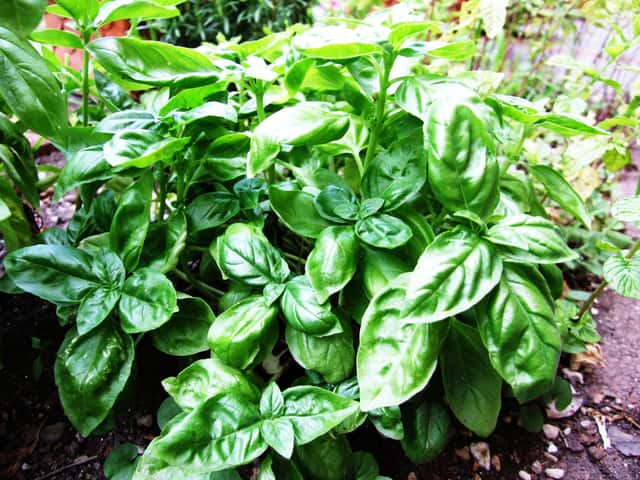
Basil (genus) (Ocimum) is a easy-care plant from the Lamiaceae family. Ocimum is a genus of aromatic herbs and shrubs in the family Lamiaceae, native to tropical and subtropical regions of Asia, Africa, and the Americas. The best-known species include Ocimum basilicum (sweet basil) and Ocimum tenuiflorum (holy basil or tulsi). They are widely grown for their fragrant l...
Basil (genus) grows up to 90cm, spread of 60cm, watering every 4 days, 10°C – 35°C, 40–70% humidity. It is suitable for indoor environments and safe for pets.
Unlike many tropical plants, Basil (genus) tolerates watering mistakes. Best for beginners. Unlike many popular species, Basil (genus) is safe to keep around pets. Without adequate drainage, root rot can develop within 8 days.
How to Care for Basil (genus)?
TLDR: Basil (genus) needs Direct sun, watering every 4 days, and temperatures between 10-35°C with 40-70% humidity.
How Often Should You Water Basil (genus)?
Water every 3-5 days when the top inch of soil is dry. Avoid overwatering — soggy soil is the leading cause of root rot in basil. Water at the base in the morning.
How Much Light Does Basil (genus) Need?
Requires full sun — at least 6-8 hours of direct sunlight daily. Indoors, place near a south-facing window or supplement with a full-spectrum grow light.
What Is the Best Soil for Basil (genus)?
Use light, well-draining soil rich in organic matter. Ideal pH 6.0-7.5. A mix of potting soil with perlite works well.
What Pot Should You Use for Basil (genus)?
Terracotta or ceramic pots with drainage holes are ideal — they allow good aeration and prevent waterlogging. Avoid oversized containers.
Care Schedule
Fertilize
Every 30 days
Rotate
Every 14 days
Repot
Every 365 days
What Is Basil (genus) and Where Does It Come From?
Ocimum is a genus of aromatic herbs and shrubs in the family Lamiaceae, native to tropical and subtropical regions of Asia, Africa, and the Americas. The best-known species include Ocimum basilicum (sweet basil) and Ocimum tenuiflorum (holy basil or tulsi). They are widely grown for their fragrant leaves valued for culinary, medicinal, and ornamental purposes.
How to Propagate Basil (genus)?
Seed Sowing
Sow in shallow trays with light substrate. Cover loosely with plastic wrap until germination to retain moisture. Transplant after last frost.
- 1 Sow seeds directly in moist substrate at 0.5 cm depth
- 2 Keep in a warm spot (20-25°C) with good light
- 3 Thin seedlings to 20-30 cm spacing once established
Materials needed:
Stem Cutting
Use clean, sharp scissors. Avoid direct sun during rooting. Change water regularly to prevent bacterial growth.
- 1 Cut a healthy stem 10-15 cm long just below a node
- 2 Remove lower leaves, keeping 2-3 pairs at the top
- 3 Place in a glass of clean water in bright indirect light
- 4 Change water every 2 days until roots form, then transplant
Materials needed:
How Big Does Basil (genus) Grow?
TLDR: Basil (genus) can reach up to 90cm tall with Fast growth rate.
Max height
90cm
Spread
60cm
Growth rate
Fast
Foliage
Deciduous
Plant Uses
Edible
Can be consumed
Medicinal
Medicinal properties
Ornamental
Great for decoration
Aromatic
Pleasant fragrance
Medicinal Uses
- Anti-inflammatory and antioxidant properties
- Aids digestion and relieves bloating
- Holy basil (tulsi) used in Ayurvedic medicine for stress and immunity
- Antimicrobial and antifungal properties
Culinary Uses
- Essential in Italian cuisine (pesto, pizza, pasta)
- Used fresh in salads, sauces, and marinades
- Key ingredient in Thai and Vietnamese cooking
- Herbal teas and calming infusions
Is your plant showing symptoms?
Click on the symptom to discover possible causes:
What Diseases Commonly Affect Basil (genus)?
TLDR: Basil (genus) is susceptible to 6 known diseases. Monitor regularly for early detection.
Downy Mildew
Downy mildew is a fungal-like disease caused by oomycetes (water molds) that thrives in cool, wet conditions. It affects a wide range of plants, causing yellowing leaves with fuzzy white-gray growth underneath, leading to defoliation and reduced yields if left untreated.
Fusarium Wilt
Fusarium wilt is a serious fungal disease caused by the soil-borne fungus Fusarium oxysporum. The fungus invades roots and blocks the water-conducting vessels (xylem) of the plant, causing progressive wilting and eventual death. Host-specific forms of the pathogen exist that attack different plant species.
Root Rot
Root rot is a serious fungal disease that affects the root system of plants, causing them to decay and die. It is primarily caused by overwatering, poor drainage, or soil-borne fungi such as Pythium, Phytophthora, Rhizoctonia, and Fusarium. The disease thrives in waterlogged conditions where roots are deprived of oxygen, making them susceptible to fungal infection.
Aphids
Aphids are small, soft-bodied, pear-shaped insects (1/16 to 1/8 inch long) that feed by sucking nutrient-rich sap from plants. They reproduce rapidly and can quickly weaken plants, causing distorted growth and transmitting plant viruses. Aphids come in various colors including green, black, red, yellow, brown, and gray. They secrete honeydew, a sticky substance that attracts ants and encourages sooty mold growth.
Meaning & Symbolism
Holy basil (tulsi) is sacred in Hinduism, associated with purity and devotion to Vishnu. In Mediterranean culture, basil symbolizes love and fertility.
Fun Facts
The Ocimum genus contains over 65 species distributed across the tropics and subtropics worldwide
Holy basil (O. tenuiflorum) has been cultivated in India for over 3,000 years and is considered sacred in Hinduism
Sweet basil can grow from seed to harvest in as little as 3-4 weeks under ideal conditions
The name Ocimum derives from the ancient Greek word meaning "to smell good"
Frequently asked questions
How often should I water basil?
Can basil grow indoors?
Is basil toxic to pets?
How do I get more leaves from my basil?
What is the difference between sweet basil and holy basil?
Compare with similar plants
| Attribute | Difficulty | Light | Watering | Pet Safe |
|---|---|---|---|---|
| Small Scabious | Easy | Direct sun | 7d | ✓ |
| Field Maple | Easy | Bright indirect | 14d | ✓ |
| Silver Birch | Easy | Direct sun | 14d | ✓ |
| Red valerian | Easy | Direct sun | 10d | ✓ |


