Lamiaceae
How to Grow Oregano (Origanum) at Home
Origanum
Hardy and drought-tolerant herb. Thrives in full sun (6-8 hours daily) and well-draining sandy or rocky soil. Water only when soil is dry to the touch. Avoid overwatering — soggy soil leads to root rot. Fertilize lightly every 30 days during the growing season.
Every 7 days
Direct sun
5° - 35°C
30% - 50%
Categories
What is Oregano?
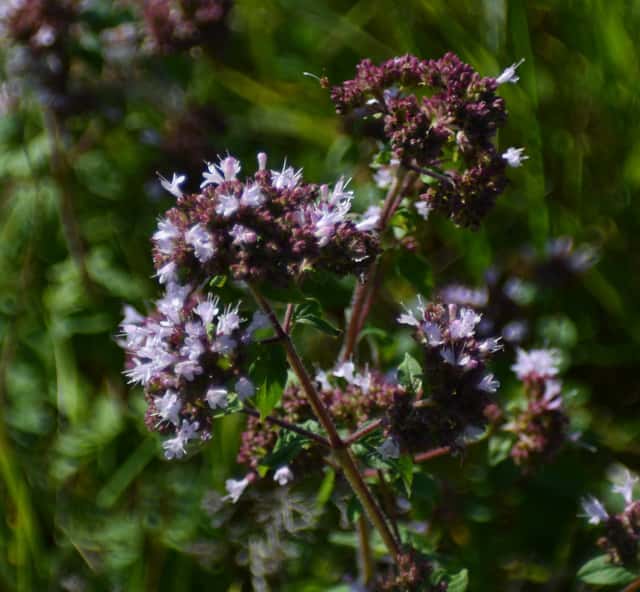
Oregano (Origanum) is a easy-care plant from the Lamiaceae family. Origanum is a genus of aromatic Mediterranean herbs in the Lamiaceae family, widely known for culinary and medicinal use. This entry covers the most common species of the genus, including O. vulgare (common oregano), O. majorana (sweet marjoram), and O. dictamnus (Cretan dittany). These are hardy, d...
Oregano grows up to 90cm, spread of 60cm, watering every 7 days, 5°C – 35°C, 30–50% humidity. It is suitable for indoor environments and not safe for pets.
Unlike many tropical plants, Oregano tolerates watering mistakes. Best for beginners. Without precautions, ingestion can cause irritation in pets. Keep out of reach of cats and dogs. Without adequate drainage, root rot can develop within 14 days.
How to Care for Oregano?
TLDR: Oregano needs Direct sun, watering every 7 days, and temperatures between 5-35°C with 30-50% humidity.
How Often Should You Water Oregano?
Water deeply but infrequently — only when the soil is completely dry (typically every 7-10 days in summer). Oregano is drought-tolerant and far more likely to suffer from overwatering than underwatering.
How Much Light Does Oregano Need?
Requires full sun — at least 6 to 8 hours of direct sunlight daily. Indoors, place near the sunniest window or supplement with a grow light.
What Is the Best Soil for Oregano?
Use sandy, well-draining soil with a pH of 6.0-8.0. Mix coarse sand or perlite into potting mix to improve drainage. Avoid heavy clay soils.
What Pot Should You Use for Oregano?
Terracotta or clay pot — allows better soil aeration and prevents waterlogging. Ensure the pot has drainage holes.
Care Schedule
Fertilize
Every 30 days
Rotate
Every 14 days
Repot
Every 365 days
What Is Oregano and Where Does It Come From?
Origanum is a genus of aromatic Mediterranean herbs in the Lamiaceae family, widely known for culinary and medicinal use. This entry covers the most common species of the genus, including O. vulgare (common oregano), O. majorana (sweet marjoram), and O. dictamnus (Cretan dittany). These are hardy, drought-tolerant, fragrant plants well-suited for herb gardens, containers, and sunny borders.
How to Propagate Oregano?
Stem Cutting
Change water every 2-3 days if propagating in water. Use clean scissors to prevent infection.
- 1 Cut a healthy stem 3-4 inches long, just below a node
- 2 Remove leaves from the bottom 1-2 inches
- 3 Place in water or moist sandy substrate
- 4 Keep in bright indirect light
- 5 Transplant once roots reach 1 inch long
Materials needed:
Plant Division
Divide in spring for best results.
- 1 Remove the plant from its pot or garden bed
- 2 Divide the clump by hand or with a clean knife into 2-3 sections
- 3 Replant each section in fresh well-draining substrate
- 4 Water lightly and keep in partial shade for one week
Materials needed:
How Big Does Oregano Grow?
TLDR: Oregano can reach up to 90cm tall with Medium growth rate.
Max height
90cm
Spread
60cm
Growth rate
Medium
Foliage
Semi-evergreen
Warning: Toxic Plant
This plant can be toxic if ingested. Keep out of reach of:
Plant Uses
Edible
Can be consumed
Medicinal
Medicinal properties
Aromatic
Pleasant fragrance
Ornamental
Great for decoration
Medicinal Uses
- Natural antiseptic
- Digestive aid
- Expectorant
- Antimicrobial and antioxidant properties
- Traditional respiratory remedy
Culinary Uses
- Pizza and pasta sauces
- Tomato sauces
- Grilled meats
- Soups and stews
- Roasted vegetables
- Herbal teas
- Mediterranean salads
Is your plant showing symptoms?
Click on the symptom to discover possible causes:
What Diseases Commonly Affect Oregano?
TLDR: Oregano is susceptible to 9 known diseases. Monitor regularly for early detection.
Root Rot
Root rot is a serious fungal disease that affects the root system of plants, causing them to decay and die. It is primarily caused by overwatering, poor drainage, or soil-borne fungi such as Pythium, Phytophthora, Rhizoctonia, and Fusarium. The disease thrives in waterlogged conditions where roots are deprived of oxygen, making them susceptible to fungal infection.
Overwatering
Overwatering occurs when plants receive too much water, depriving roots of oxygen and causing root rot. This environmental stress is one of the most common causes of houseplant death, as waterlogged soil prevents roots from breathing and functioning properly.
Powdery Mildew
Powdery mildew is a common fungal disease caused by various fungi species including Erysiphe, Podosphaera, Oïdium, and Leveillula. It affects over 10,000 plant species worldwide. The disease thrives in warm, dry climates with high humidity and appears as a distinctive white powdery coating on plant surfaces.
Fusarium Wilt
Fusarium wilt is a serious fungal disease caused by the soil-borne fungus Fusarium oxysporum. The fungus invades roots and blocks the water-conducting vessels (xylem) of the plant, causing progressive wilting and eventual death. Host-specific forms of the pathogen exist that attack different plant species.
Meaning & Symbolism
In ancient Greece, oregano symbolized joy and good luck. Newlyweds were crowned with oregano garlands as a symbol of happiness and prosperity.
Fun Facts
The name "oregano" comes from the Greek "oros" (mountain) and "ganos" (joy) — the ancient Greeks called it "joy of the mountain".
Oregano is one of the rare herbs whose flavor intensifies when dried, unlike most herbs such as basil.
Over 60 species have been identified in the Origanum genus, ranging from creeping groundcovers to ornamental shrubs.
Cretan dittany (O. dictamnus) was used in ancient Greece to heal wounds and was considered sacred by Hippocrates.
Frequently asked questions
How often should I water oregano?
Can oregano be grown in a pot?
Is oregano toxic to pets?
Why is my oregano losing its fragrance?
When should I prune oregano?
Compare with similar plants
| Attribute | Difficulty | Light | Watering | Pet Safe |
|---|---|---|---|---|
| Field Maple | Easy | Bright indirect | 14d | ✓ |
| Silver Birch | Easy | Direct sun | 14d | ✓ |
| Cushion Bush | Easy | Direct sun | 14d | ✓ |
| Peruvian peppertree | Easy | Direct sun | 14d | ⚠️ |





