Orchidaceae
Flying Duck Orchid: Australia's Most Extraordinary Bloom
Caleana major
The Flying Duck Orchid is extremely challenging to cultivate outside its native Australian habitat. It depends on a symbiotic relationship with specific mycorrhizal fungi found only in eucalyptus woodlands. Water sparingly, keep soil moist but never waterlogged, and allow slight drying between waterings. It requires well-drained sandy soil with an acidic pH of 4.5–5.5 and plenty of sunlight.
Every 10 days
Bright indirect
5° - 25°C
50% - 80%
Categories
What is Flying Duck Orchid?
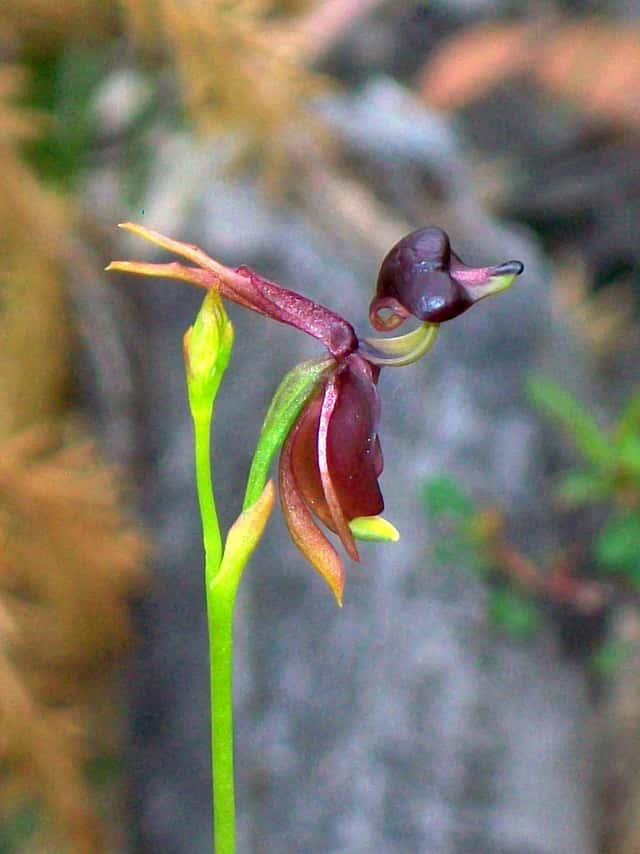
Flying Duck Orchid (Caleana major) is a hard-care plant from the Orchidaceae family. The Flying Duck Orchid (Caleana major) is one of the most extraordinary flowering plants in the world. Native to eastern and southern Australia, this small terrestrial orchid produces remarkable reddish-brown flowers whose labellum bears a striking resemblance to a duck in flight. It grows 20–40 cm...
Flying Duck Orchid grows up to 40cm, spread of 15cm, watering every 10 days, 5°C – 25°C, 50–80% humidity. It is not suitable for indoor environments and safe for pets.
Unlike easy-care plants, Flying Duck Orchid demands constant attention to humidity and light. Not recommended for beginners. Unlike many popular species, Flying Duck Orchid is safe to keep around pets.
How to Care for Flying Duck Orchid?
TLDR: Flying Duck Orchid needs Bright indirect, watering every 10 days, and temperatures between 5-25°C with 50-80% humidity.
How Often Should You Water Flying Duck Orchid?
Water sparingly every 7–10 days during the growing season (autumn to spring). Allow the soil to dry slightly between waterings. After leaves turn brown in late spring, allow the pot to dry out completely — the tuber is dormant.
How Much Light Does Flying Duck Orchid Need?
Provide full sun or up to 50% shade in a well-ventilated spot. Avoid deep shade. Outdoors in a position receiving morning sun is ideal.
What Is the Best Soil for Flying Duck Orchid?
Use a freely draining, sandy mix with slightly acidic pH (4.5–5.5). Never use heavy or clay-rich soils. The roots depend on mycorrhizal fungi naturally present in Australian eucalyptus woodland soils.
What Pot Should You Use for Flying Duck Orchid?
Terracotta or unglazed clay pot with excellent drainage holes to prevent waterlogging around the delicate tuber.
Care Schedule
Repot
Every 730 days
What Is Flying Duck Orchid and Where Does It Come From?
The Flying Duck Orchid (Caleana major) is one of the most extraordinary flowering plants in the world. Native to eastern and southern Australia, this small terrestrial orchid produces remarkable reddish-brown flowers whose labellum bears a striking resemblance to a duck in flight. It grows 20–40 cm tall and flowers from spring through summer. Pollination occurs via male sawflies that are deceived into pseudocopulation with the duck-shaped labellum.
How to Propagate Flying Duck Orchid?
Seed propagation
Seed propagation is extremely difficult and rarely successful outside the native habitat. The plant relies on a specific fungus for germination and survival.
- 1 Collect seeds after pod maturity in late summer
- 2 Sow seeds onto a suitable mycorrhizal substrate derived from eucalyptus woodland soil
- 3 Keep moist and warm in a shaded location
- 4 Germination requires the presence of compatible mycorrhizal fungi and may take months to years
Materials needed:
How Big Does Flying Duck Orchid Grow?
TLDR: Flying Duck Orchid can reach up to 40cm tall with Slow growth rate.
Max height
40cm
Spread
15cm
Growth rate
Slow
Foliage
Deciduous
Warning: Toxic Plant
This plant can be toxic if ingested. Keep out of reach of:
Plant Uses
Ornamental
Great for decoration
Is your plant showing symptoms?
Click on the symptom to discover possible causes:
What Diseases Commonly Affect Flying Duck Orchid?
TLDR: Flying Duck Orchid is susceptible to 5 known diseases. Monitor regularly for early detection.
Root Rot
Root rot is a serious fungal disease that affects the root system of plants, causing them to decay and die. It is primarily caused by overwatering, poor drainage, or soil-borne fungi such as Pythium, Phytophthora, Rhizoctonia, and Fusarium. The disease thrives in waterlogged conditions where roots are deprived of oxygen, making them susceptible to fungal infection.
Gray Mold (Botrytis Blight)
Gray mold, caused by the fungus Botrytis cinerea, is one of the most common fungal diseases in plants. It affects over 200 plant species, including ornamentals, vegetables, fruits, and houseplants. The disease thrives in cool, humid conditions with poor air circulation, causing grayish spots and soft rot on infected tissues.
Pythium Root Rot
Pythium root rot is a serious fungal disease caused by various Pythium species including P. aphanidermatum, P. ultimum, and P. irregulare. These water molds are present in practically all cultivated soils and attack plant roots under wet conditions, causing rapid wet rot that can extend into the stem. The disease is favored by poor drainage, overwatering, and specific temperatures depending on the species.
Overwatering
Overwatering occurs when plants receive too much water, depriving roots of oxygen and causing root rot. This environmental stress is one of the most common causes of houseplant death, as waterlogged soil prevents roots from breathing and functioning properly.
Meaning & Symbolism
Symbolizes the wonder of natural mimicry and the extraordinary creativity of evolution. In Australian culture, it represents uniqueness and the magic of the bush.
Fun Facts
The flower's duck-like shape is not accidental — it evolved specifically to deceive male sawflies into pollinating it.
Caleana major grows from underground tubers that can survive dormancy during the dry Australian summer.
The labellum acts as a sensitive trap: when a sawfly lands, it is tipped into the column, depositing or collecting pollen.
It is one of only a few orchid species in the genus Caleana, all endemic to Australia.
Frequently asked questions
Can I grow Flying Duck Orchid at home?
When does the Flying Duck Orchid flower?
Is the Flying Duck Orchid toxic?
Where does the Flying Duck Orchid grow in the wild?
How does the Flying Duck Orchid get pollinated?
Compare with similar plants
| Attribute | Difficulty | Light | Watering | Pet Safe |
|---|---|---|---|---|
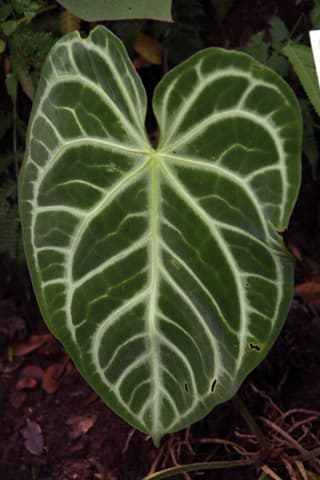
| Crystal Anthurium | Hard | Partial shade | 7d | ⚠️ |
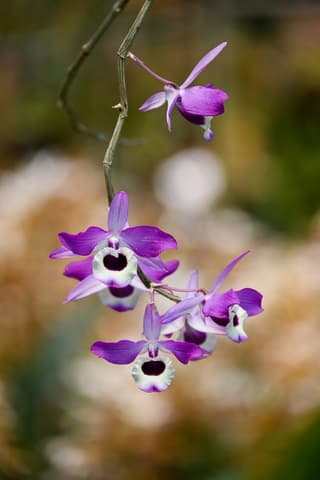
| Dendrobium Orchid (genus) | Medium | Bright indirect | 7d | ✓ |
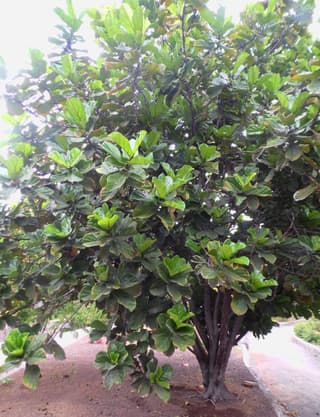
| Fiddle Leaf Fig | Hard | Bright indirect | 10d | ⚠️ |
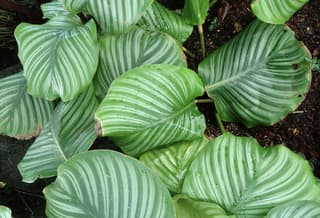
| Round-leaf Calathea | Hard | Partial shade | 7d | ✓ |