Orchidaceae
Blue Vanda Orchid (Vanda coerulea): The Rarest Blue Bloom
Vanda coerulea
The Blue Vanda Orchid is a challenging but rewarding plant for experienced growers. It thrives in bright filtered light, high humidity, and excellent air circulation. Water every 4 days during active growth, mist daily, and fertilize weekly. It requires a cool, dry winter rest period to trigger its spectacular autumn blooms.
Every 4 days
Bright indirect
7° - 29°C
55% - 85%
Categories
What is Blue Vanda Orchid?
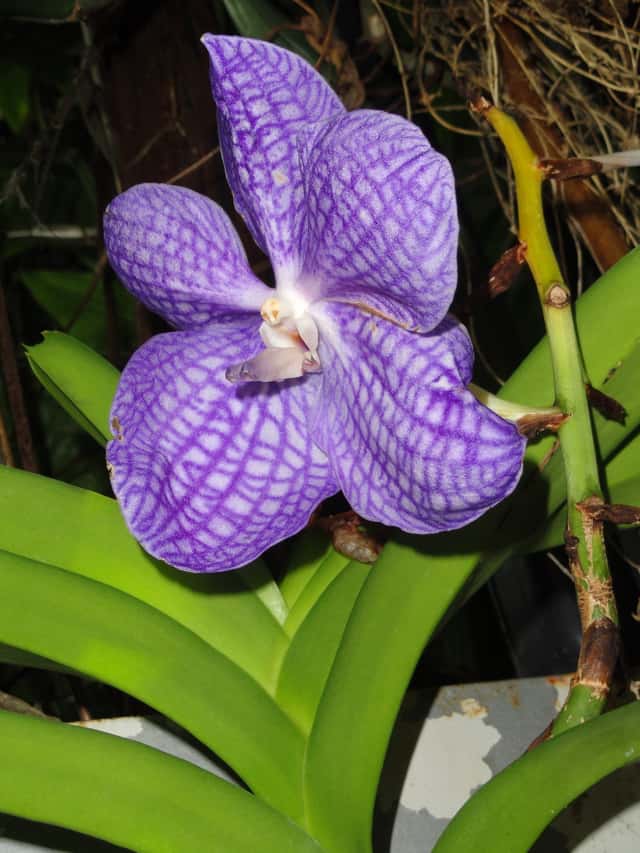
Blue Vanda Orchid (Vanda coerulea) is a hard-care plant from the Orchidaceae family. Vanda coerulea, commonly known as the Blue Vanda Orchid, is one of the most celebrated and rare orchids in the world. Native to the forests of Northeast India, Myanmar, and Thailand, it produces breathtaking tessellated violet-blue flowers in autumn. Now critically endangered in the wild due to over...
Blue Vanda Orchid grows up to 1.5m, spread of 60cm, watering every 4 days, 7°C – 29°C, 55–85% humidity. It is suitable for indoor environments and safe for pets.
Unlike easy-care plants, Blue Vanda Orchid demands constant attention to humidity and light. Not recommended for beginners. Unlike many popular species, Blue Vanda Orchid is safe to keep around pets. Without adequate drainage, root rot can develop within 8 days.
How to Care for Blue Vanda Orchid?
TLDR: Blue Vanda Orchid needs Bright indirect, watering every 4 days, and temperatures between 7-29°C with 55-85% humidity.
How Often Should You Water Blue Vanda Orchid?
Water thoroughly every 4 days during the growing season, ensuring roots dry slightly between sessions. In winter, reduce watering drastically — mist lightly every 2 weeks. Never allow roots to sit in standing water. Morning watering is ideal to allow foliage to dry before evening.
How Much Light Does Blue Vanda Orchid Need?
Provide very bright filtered light — 20,000 to 40,000 lux. A south-facing window with a sheer curtain or a greenhouse setting is ideal. Avoid harsh midday direct sun in summer which can scorch leaves. Pale yellow-green leaves signal too much light; dark green leaves indicate insufficient light.
What Is the Best Soil for Blue Vanda Orchid?
Grow in a coarse, fast-draining orchid medium such as fir bark, tree fern fibre, or charcoal chunks. Slatted baskets or hanging pots work best as they allow superior aeration and natural root exposure. Avoid fine potting mixes that retain moisture around the roots.
What Pot Should You Use for Blue Vanda Orchid?
Use a slatted wooden basket or a terracotta orchid pot with large drainage holes to allow maximum airflow around roots. Avoid glazed ceramic or solid plastic pots which trap moisture. Hanging baskets are the most authentic and effective growing vessel for this species.
Care Schedule
Fertilize
Every 7 days
Misting
Every 1 days
Repot
Every 730 days
What Is Blue Vanda Orchid and Where Does It Come From?
Vanda coerulea, commonly known as the Blue Vanda Orchid, is one of the most celebrated and rare orchids in the world. Native to the forests of Northeast India, Myanmar, and Thailand, it produces breathtaking tessellated violet-blue flowers in autumn. Now critically endangered in the wild due to over-collection, it is a protected species and a symbol of botanical conservation.
How to Propagate Blue Vanda Orchid?
Division
Division should only be attempted on mature, vigorous plants. Minimise root disturbance during the process. Provide extra humidity and shade during recovery.
- 1 Wait until the plant has outgrown its basket or pot
- 2 Use a sterile blade to divide the plant, ensuring each division has healthy roots
- 3 Allow cut surfaces to dry for several hours before repotting
- 4 Place divisions in fresh coarse orchid bark and provide high humidity while establishing
Materials needed:
Seed Propagation
Seed propagation requires laboratory conditions and is not practical for home growers. Tissue culture is the professional standard for conservation propagation.
- 1 Collect seeds from mature seed pods
- 2 Sow on sterile nutrient agar medium in a laboratory setting
- 3 Maintain sterile conditions throughout germination
- 4 Transfer seedlings to orchid bark once large enough to handle
Materials needed:
How Big Does Blue Vanda Orchid Grow?
TLDR: Blue Vanda Orchid can reach up to 1.5m tall with Slow growth rate.
Max height
1.5m
Spread
60cm
Growth rate
Slow
Foliage
Evergreen
Plant Uses
Ornamental
Great for decoration
Is your plant showing symptoms?
Click on the symptom to discover possible causes:
What Diseases Commonly Affect Blue Vanda Orchid?
TLDR: Blue Vanda Orchid is susceptible to 7 known diseases. Monitor regularly for early detection.
Root Rot
Root rot is a serious fungal disease that affects the root system of plants, causing them to decay and die. It is primarily caused by overwatering, poor drainage, or soil-borne fungi such as Pythium, Phytophthora, Rhizoctonia, and Fusarium. The disease thrives in waterlogged conditions where roots are deprived of oxygen, making them susceptible to fungal infection.
Bacterial Soft Rot
Bacterial soft rot is a destructive plant disease caused primarily by bacteria from the genera Pectobacterium (formerly Erwinia) and Dickeya. These bacteria produce enzymes that break down plant cell walls, causing rapid and foul-smelling tissue decomposition. It mainly affects succulent tissues such as tubers, fruits, stems, and bulbs, being especially problematic in warm and humid conditions.
Leaf Spot
Leaf spot is a common fungal disease caused by various pathogens including Alternaria, Ascochyta, Colletotrichum, Septoria, and Venturia. It primarily affects leaves, causing discolored spots that can lead to premature leaf drop if left untreated.
Spider Mites
Spider mites are tiny arachnids (less than 1/20 inch long) related to spiders and ticks that feed on plant sap. They thrive in hot, dry conditions and can cause significant damage to ornamental and vegetable plants. During severe infestations, crop losses can reach 14% or higher as these pests disrupt vital plant processes including photosynthesis, carbon dioxide absorption, and transpiration.
Meaning & Symbolism
The Blue Vanda symbolises rarity, elegance, and the importance of conservation. Its true blue colour — extraordinarily rare in the orchid family — has made it an icon of botanical wonder and a muse for hybridisers worldwide.
Fun Facts
Vanda coerulea is one of the very few true-blue flowers in the entire orchid family — its colour comes from the rare pigment delphinidin.
It is critically endangered in the wild due to decades of over-collection, and international trade is strictly regulated under CITES Appendix I.
The Blue Vanda played a crucial role in the hybridisation of the famous blue Vanda orchid hybrids widely sold in supermarkets today.
In its natural habitat in the Himalayan foothills, it can grow as an epiphyte at altitudes of 800–1700 metres above sea level.
Frequently asked questions
How often should I water my Blue Vanda Orchid?
Why is my Blue Vanda not blooming?
Is the Blue Vanda Orchid safe for pets?
What kind of pot is best for Blue Vanda?
Why are the leaves on my Blue Vanda turning yellow?
Compare with similar plants
| Attribute | Difficulty | Light | Watering | Pet Safe |
|---|---|---|---|---|
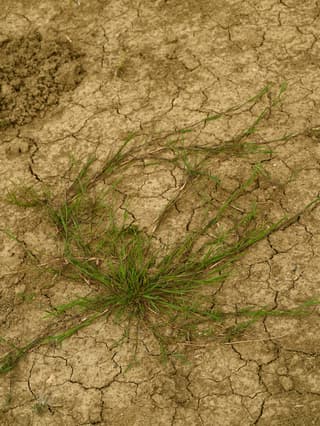
| Creeping bentgrass | Hard | Direct sun | 3d | ✓ |
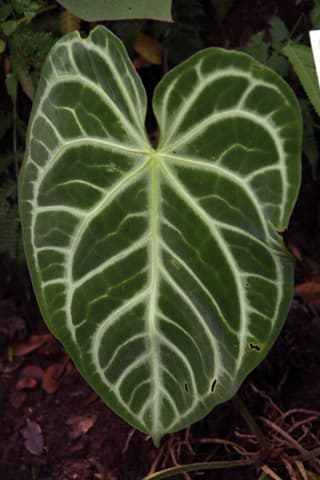
| Crystal Anthurium | Hard | Partial shade | 7d | ⚠️ |
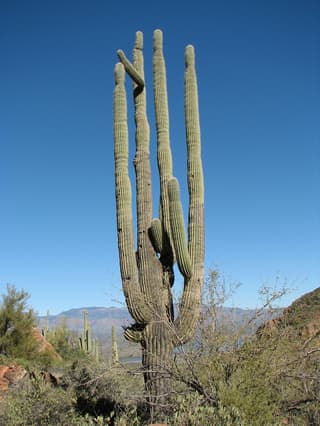
| Saguaro | Hard | Direct sun | 21d | ✓ |
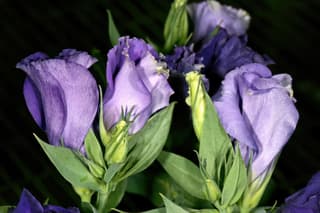
| Lisianthus | Hard | Bright indirect | 7d | ✓ |