Oleaceae
Osmanthus fragrans (Sweet Olive): Complete Care Guide
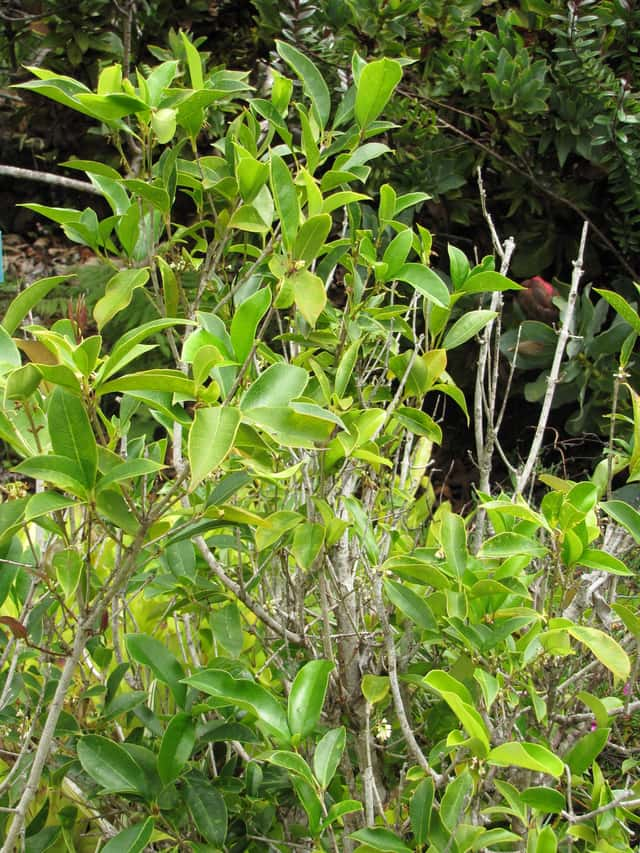
Osmanthus fragrans
Sweet Olive is an easy-care evergreen shrub that thrives in full sun to partial shade. Water regularly but allow the topsoil to dry slightly between waterings. Fertilize every 2 months during the growing season. Prune after flowering to maintain shape.
Every 10 days
Bright indirect
-7° - 38°C
40% - 70%
Categories
What is Sweet Olive?
Sweet Olive (Osmanthus fragrans) is a easy-care plant from the Oleaceae family. Osmanthus fragrans, commonly known as Sweet Olive or Tea Olive, is an evergreen shrub or small tree native to China and parts of Asia. Renowned for its intensely fragrant, tiny white or yellow flowers, it is one of the most celebrated ornamental plants in Chinese culture. The flowers are used to sce...
Sweet Olive grows up to 4.5m, with spread of 370cm, watering every 10 days, -7°C – 38°C, 40–70% humidity. It is suitable for indoor environments and safe for pets.
Unlike many tropical plants, Sweet Olive tolerates watering mistakes. Best for beginners. Unlike many popular species, Sweet Olive is safe to keep around pets. Without adequate drainage, root rot can develop within 20 days.
How to Care for Sweet Olive?
TLDR: Sweet Olive needs Bright indirect, watering every 10 days, and temperatures between -7-38°C with 40-70% humidity.
How Often Should You Water Sweet Olive?
Water every 7-12 days during the growing season, providing about 1 inch of water per week. Once established, the plant is somewhat drought-tolerant. Avoid waterlogging as it leads to root rot. Ensure good drainage at all times.
How Much Light Does Sweet Olive Need?
Prefers full sun to partial shade, with at least 6 hours of direct sunlight daily. More sunlight encourages abundant flowering. In hot climates, provide afternoon shade to prevent leaf scorch. Avoid deep shade, which reduces blooming significantly.
What Is the Best Soil for Sweet Olive?
Plant in fertile, well-draining soil. Tolerates a range of soil types including clay and sandy soils, but cannot survive in waterlogged conditions. Amend heavy clay with organic matter for better drainage.
What Pot Should You Use for Sweet Olive?
Terracotta or ceramic pot with drainage holes for container growing. Ensure at least 40-50 cm depth for root development.
Care Schedule
Fertilize
Every 60 days
Repot
Every 730 days
What Is Sweet Olive and Where Does It Come From?
Osmanthus fragrans, commonly known as Sweet Olive or Tea Olive, is an evergreen shrub or small tree native to China and parts of Asia. Renowned for its intensely fragrant, tiny white or yellow flowers, it is one of the most celebrated ornamental plants in Chinese culture. The flowers are used to scent teas, wines, and perfumes, and the plant holds deep cultural significance in China, where it is associated with the Mid-Autumn Festival.
How to Propagate Sweet Olive?
Stem Cutting
Use semi-hardwood cuttings for best results. Keep humidity high by covering with a plastic bag or dome.
- 1 Take a 10-15 cm stem cutting with 2-3 leaf nodes in late spring or early summer
- 2 Remove lower leaves and dip the cut end in rooting hormone powder
- 3 Insert into a well-draining propagation mix of perlite and peat
- 4 Keep moist and in bright indirect light at 20-25°C
- 5 Roots typically develop in 4-6 weeks
Materials needed:
Seed Propagation
Seeds are rarely available; stem cuttings are far more reliable. Germination can be slow and erratic.
- 1 Collect fresh seeds after the plant fruits (rare in cultivation)
- 2 Stratify seeds in damp sand in the refrigerator for 2-3 months
- 3 Sow seeds in well-draining seed compost at 18-22°C
- 4 Keep evenly moist until germination occurs
- 5 Transplant seedlings when large enough to handle
Materials needed:
How Big Does Sweet Olive Grow?
TLDR: Sweet Olive can reach up to 4.5m tall with Medium growth rate.
Max height
4.5m
Spread
3.7m
Growth rate
Medium
Foliage
Evergreen
Plant Uses
Ornamental
Great for decoration
Aromatic
Pleasant fragrance
Edible
Can be consumed
Medicinal
Medicinal properties
Medicinal Uses
- Traditional use in Chinese medicine as a tonic for the stomach and kidneys
- Used to relieve pain and reduce inflammation
- Flower decoctions used for oral health
Culinary Uses
- Flowers used to scent green and oolong teas (Gui Hua Cha)
- Used to flavor Osmanthus wine and rice cakes
- Flowers added to desserts, jellies, and syrups in Chinese cuisine
Is your plant showing symptoms?
Click on the symptom to discover possible causes:
What Diseases Commonly Affect Sweet Olive?
TLDR: Sweet Olive is susceptible to 11 known diseases. Monitor regularly for early detection.
Root Rot
Root rot is a serious fungal disease that affects the root system of plants, causing them to decay and die. It is primarily caused by overwatering, poor drainage, or soil-borne fungi such as Pythium, Phytophthora, Rhizoctonia, and Fusarium. The disease thrives in waterlogged conditions where roots are deprived of oxygen, making them susceptible to fungal infection.
Powdery Mildew
Powdery mildew is a common fungal disease caused by various fungi species including Erysiphe, Podosphaera, Oïdium, and Leveillula. It affects over 10,000 plant species worldwide. The disease thrives in warm, dry climates with high humidity and appears as a distinctive white powdery coating on plant surfaces.
Scale Insects
Scale insects are small sap-sucking pests that appear as brown, shell-like bumps on plant stems and leaves. There are over 25 species, divided into armored (hard) and unarmored (soft) scales. They feed by piercing plant tissue and extracting sap, which weakens the plant and can lead to yellowing, stunted growth, and even death if left untreated. They also excrete honeydew, which attracts ants and promotes sooty mold growth.
Spider Mites
Spider mites are tiny arachnids (less than 1/20 inch long) related to spiders and ticks that feed on plant sap. They thrive in hot, dry conditions and can cause significant damage to ornamental and vegetable plants. During severe infestations, crop losses can reach 14% or higher as these pests disrupt vital plant processes including photosynthesis, carbon dioxide absorption, and transpiration.
Meaning & Symbolism
In Chinese tradition, Osmanthus fragrans symbolizes good luck, nobility, prosperity, and eternal love. It is deeply connected to the Mid-Autumn Festival and lunar mythology. The plant represents literary success and is gifted to wish someone good fortune.
Fun Facts
Osmanthus fragrans is the city flower of Hangzhou, Suzhou, and Guilin in China
Chinese mythology tells of a giant sweet osmanthus tree on the moon, endlessly cut by Wu Gang
The flowers are so tiny they are nearly invisible, yet their fragrance can be detected from 100 meters away
Osmanthus-scented tea (Gui Hua Cha) has been enjoyed in China for over 2,000 years
Frequently asked questions
How often should I water my Sweet Olive?
Why is my Sweet Olive not blooming?
Is Osmanthus fragrans toxic to pets?
Can I grow Sweet Olive indoors?
When should I prune my Sweet Olive?
Compare with similar plants
| Attribute | Difficulty | Light | Watering | Pet Safe |
|---|---|---|---|---|
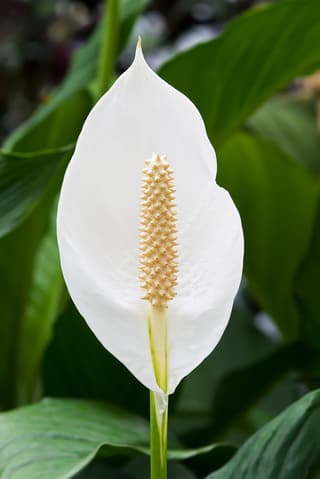
| Peace Lily | Easy | Low light | 4d | ⚠️ |
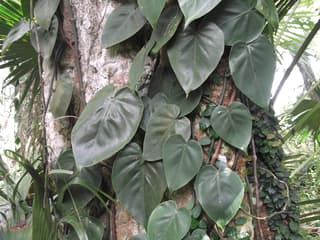
| Swiss Cheese Plant | Easy | Partial shade | 10d | ⚠️ |
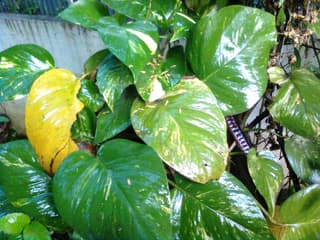
| Golden Pothos | Easy | Low light | 8d | ⚠️ |
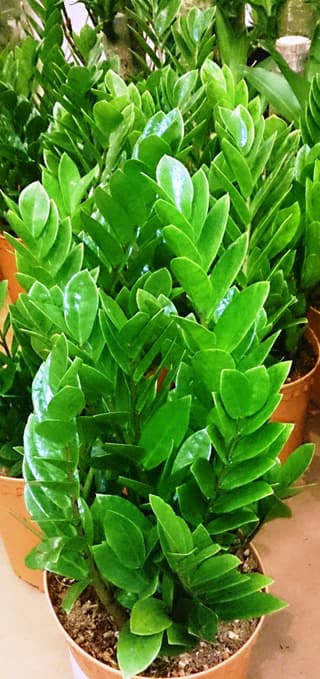
| ZZ Plant | Easy | Low light | 18d | ⚠️ |