Oxalidaceae
Candy Cane Sorrel: The Complete Care Guide for Oxalis versicolor
Oxalis versicolor
Easy to grow and low maintenance. Plant bulbs in well-draining soil in a bright sunny position. Water moderately during the growing season (autumn to spring), reduce significantly in summer during dormancy. Repot every 1–2 years when bulbs become crowded.
Every 7 days
Bright indirect
12° - 24°C
40% - 70%
Categories
What is Candy Cane Sorrel?
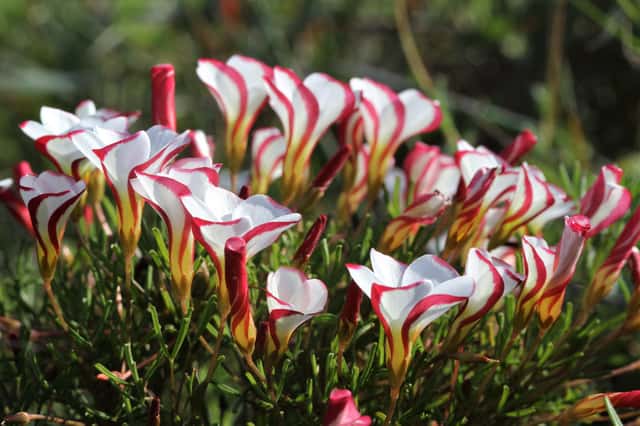
Candy Cane Sorrel (Oxalis versicolor) is a easy-care plant from the Oxalidaceae family. Oxalis versicolor, commonly known as Candy Cane Sorrel, is a charming bulbous perennial native to South Africa. It is celebrated for its stunning flowers with white petals edged in deep crimson, which spiral into a candy cane pattern when closed. Growing to just 10–15 cm tall, this compact plant thr...
Candy Cane Sorrel grows up to 15cm, with spread of 25cm, watering every 7 days, 12°C – 24°C, 40–70% humidity. It is suitable for indoor environments and not safe for pets.
Unlike many tropical plants, Candy Cane Sorrel tolerates watering mistakes. Best for beginners. Without precautions, ingestion can cause irritation in pets. Keep out of reach of cats and dogs. Without adequate drainage, root rot can develop within 14 days.
How to Care for Candy Cane Sorrel?
TLDR: Candy Cane Sorrel needs Bright indirect, watering every 7 days, and temperatures between 12-24°C with 40-70% humidity.
How Often Should You Water Candy Cane Sorrel?
Water every 7 days during the growing season, allowing the top inch of soil to dry out between waterings. During summer dormancy, stop watering almost completely. Overwatering is the primary cause of bulb rot—always use well-draining soil and pots with drainage holes.
How Much Light Does Candy Cane Sorrel Need?
Provide full sun to partial shade (at least 4–6 hours of direct sun daily). The flowers only open fully in bright light—insufficient light leads to poor flowering and leggy stems. Avoid harsh afternoon sun in very hot climates.
What Is the Best Soil for Candy Cane Sorrel?
Use a well-draining mix such as sandy loam or a standard potting mix amended with perlite or coarse sand. Slightly acidic to neutral pH (6.0–7.0) is ideal. Good drainage is critical to prevent bulb rot.
What Pot Should You Use for Candy Cane Sorrel?
Terracotta or unglazed clay pots are ideal as they allow moisture to evaporate, preventing bulb rot. Choose a pot with multiple drainage holes. Avoid large pots—Candy Cane Sorrel prefers to be slightly pot-bound.
Care Schedule
Fertilize
Every 30 days
Repot
Every 365 days
What Is Candy Cane Sorrel and Where Does It Come From?
Oxalis versicolor, commonly known as Candy Cane Sorrel, is a charming bulbous perennial native to South Africa. It is celebrated for its stunning flowers with white petals edged in deep crimson, which spiral into a candy cane pattern when closed. Growing to just 10–15 cm tall, this compact plant thrives in sunny spots and follows an autumn-winter flowering cycle. It enters dormancy in summer, making it a delightful seasonal gem for pots and rock gardens.
How to Propagate Candy Cane Sorrel?
Bulb Division
Divide every 2-3 years to prevent overcrowding and improve flowering. Handle bulbs gently to avoid bruising.
- 1 Wait until the plant enters dormancy in summer and foliage dies back.
- 2 Carefully lift the clump from the pot or ground.
- 3 Gently separate the bulblets from the main bulb.
- 4 Allow bulbs to dry for a day in a cool, dry spot.
- 5 Replant bulbs 2-3 cm deep in fresh well-draining soil in autumn.
Materials needed:
Seed Propagation
Seed propagation is slower and less reliable than division. Seedlings may take 1-2 years to flower.
- 1 Collect seeds after flowering when seed pods dry and begin to split.
- 2 Sow seeds on the surface of moist, well-draining seed compost.
- 3 Cover lightly with a thin layer of compost or perlite.
- 4 Keep in a bright, warm spot (18-22°C) and maintain moisture.
- 5 Transplant seedlings when large enough to handle.
Materials needed:
How Big Does Candy Cane Sorrel Grow?
TLDR: Candy Cane Sorrel can reach up to 15cm tall with Slow growth rate.
Max height
15cm
Spread
25cm
Growth rate
Slow
Foliage
Deciduous
Warning: Toxic Plant
This plant can be toxic if ingested. Keep out of reach of:
Plant Uses
Ornamental
Great for decoration
Is your plant showing symptoms?
Click on the symptom to discover possible causes:
What Diseases Commonly Affect Candy Cane Sorrel?
TLDR: Candy Cane Sorrel is susceptible to 8 known diseases. Monitor regularly for early detection.
Root Rot
Root rot is a serious fungal disease that affects the root system of plants, causing them to decay and die. It is primarily caused by overwatering, poor drainage, or soil-borne fungi such as Pythium, Phytophthora, Rhizoctonia, and Fusarium. The disease thrives in waterlogged conditions where roots are deprived of oxygen, making them susceptible to fungal infection.
Powdery Mildew
Powdery mildew is a common fungal disease caused by various fungi species including Erysiphe, Podosphaera, Oïdium, and Leveillula. It affects over 10,000 plant species worldwide. The disease thrives in warm, dry climates with high humidity and appears as a distinctive white powdery coating on plant surfaces.
Leaf Spot
Leaf spot is a common fungal disease caused by various pathogens including Alternaria, Ascochyta, Colletotrichum, Septoria, and Venturia. It primarily affects leaves, causing discolored spots that can lead to premature leaf drop if left untreated.
Anthracnose
Anthracnose is a fungal disease caused by fungi in the genus Colletotrichum that affects many plants, including vegetables, fruits, and trees. The disease thrives in cool, wet conditions, causing dark, sunken lesions on leaves, stems, flowers, and fruits.
Meaning & Symbolism
Candy Cane Sorrel symbolizes joy, cheerfulness, and sweet simplicity. Its candy-stripe pattern is associated with wonder and delight, making it a popular gift to express happiness.
Fun Facts
The flowers of Oxalis versicolor only open when the sun is shining—they close at night and on cloudy days, creating a magical daily display.
The candy-stripe pattern is only visible when the flower is closed; open blooms reveal pure white petals, making it a plant of two different beauties.
Native to the rocky slopes and fynbos of South Africa, this plant evolved to survive seasonal drought by storing energy in small bulbs underground.
One mature clump can produce 5–10 new bulblets per season, making Candy Cane Sorrel easy to share with fellow garden enthusiasts.
Frequently asked questions
How often should I water Candy Cane Sorrel?
Does Candy Cane Sorrel need full sun?
Is Oxalis versicolor toxic to cats and dogs?
Why is my Candy Cane Sorrel not flowering?
When should I repot Oxalis versicolor?
Compare with similar plants
| Attribute | Difficulty | Light | Watering | Pet Safe |
|---|---|---|---|---|
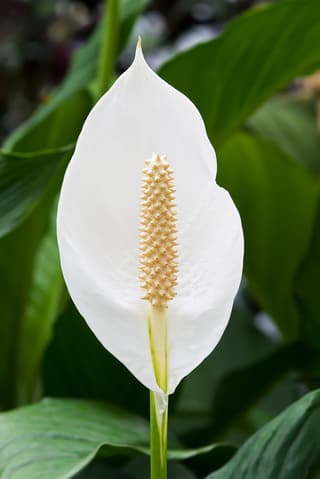
| Peace Lily | Easy | Low light | 4d | ⚠️ |
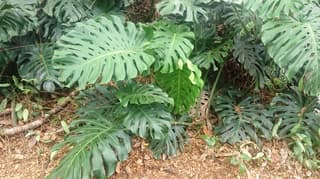
| Swiss Cheese Plant | Easy | Partial shade | 10d | ⚠️ |
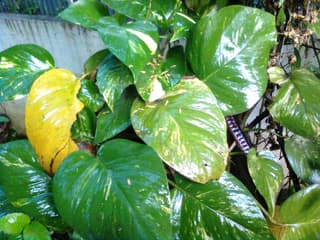
| Golden Pothos | Easy | Low light | 8d | ⚠️ |
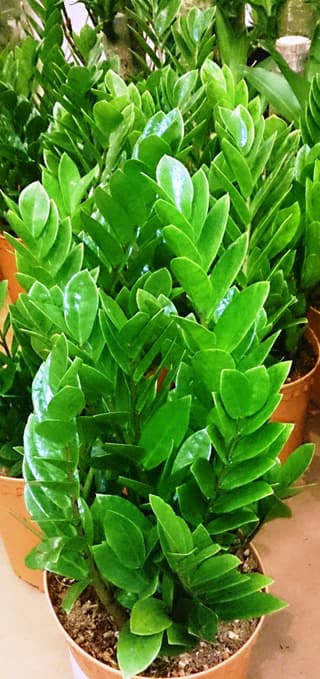
| ZZ Plant | Easy | Low light | 18d | ⚠️ |