Asteraceae
Oxeye Daisy (Leucanthemum vulgare)
Leucanthemum vulgare
Very easy to grow. Thrives in full sun with well-drained soil. Drought-tolerant once established. Water weekly during the growing season. Divide clumps every 2–3 years to maintain vigor. Deadhead spent flowers to extend blooming and prevent self-seeding.
Every 7 days
Direct sun
-20° - 35°C
40% - 70%
Categories
What is Oxeye Daisy?
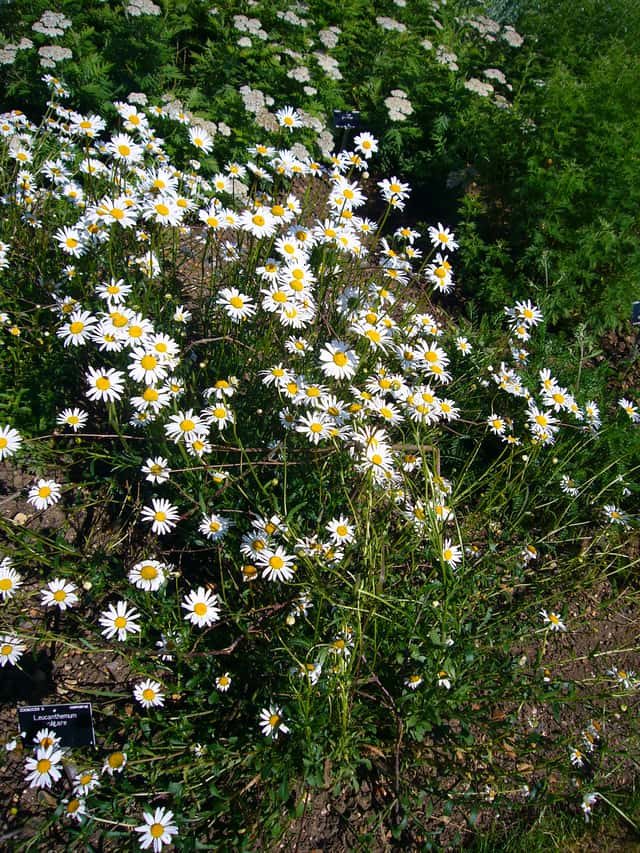
Oxeye Daisy (Leucanthemum vulgare) is a easy-care plant from the Asteraceae family. Leucanthemum vulgare, commonly known as the Oxeye Daisy, is a hardy perennial wildflower native to Europe, belonging to the Asteraceae family. It produces cheerful white ray flowers with a flattened yellow center disk, growing 30–90 cm tall. Blooming from spring through summer, it is a magnet for po...
Oxeye Daisy grows up to 90cm, with spread of 60cm, watering every 7 days, -20°C – 35°C, 40–70% humidity. It is not suitable for indoor environments and not safe for pets.
Unlike many tropical plants, Oxeye Daisy tolerates watering mistakes. Best for beginners. Without precautions, ingestion can cause irritation in pets. Keep out of reach of cats and dogs.
How to Care for Oxeye Daisy?
TLDR: Oxeye Daisy needs Direct sun, watering every 7 days, and temperatures between -20-35°C with 40-70% humidity.
How Often Should You Water Oxeye Daisy?
Water once a week during the growing season. Allow soil to dry slightly between waterings. Avoid waterlogged soil, which can cause root rot. Once established, the plant tolerates dry spells well.
How Much Light Does Oxeye Daisy Need?
Plant in a location receiving at least 6 hours of direct sunlight per day. Tolerates partial shade but flowering will be reduced. Full sun produces the most abundant and vibrant blooms.
What Is the Best Soil for Oxeye Daisy?
Prefers well-drained soil with a slightly acidic to neutral pH (5.5–7.5). Not fussy about soil fertility — average garden soil is sufficient. Amend clay soils with sand or grit to improve drainage.
What Pot Should You Use for Oxeye Daisy?
Terracotta or ceramic pots with drainage holes. Oxeye daisy is best suited for outdoor garden beds but can be grown in large containers with full sun exposure.
Care Schedule
Fertilize
Every 90 days
What Is Oxeye Daisy and Where Does It Come From?
Leucanthemum vulgare, commonly known as the Oxeye Daisy, is a hardy perennial wildflower native to Europe, belonging to the Asteraceae family. It produces cheerful white ray flowers with a flattened yellow center disk, growing 30–90 cm tall. Blooming from spring through summer, it is a magnet for pollinators including bees, butterflies, and hoverflies. Though graceful in wildflower meadows and cottage gardens, it can spread vigorously and is considered invasive in parts of North America and Australia.
How to Propagate Oxeye Daisy?
Clump Division
Divide clumps every 2-3 years to rejuvenate the plant and prevent the center from dying out. Division in early spring or autumn avoids heat stress.
- 1 Choose a healthy, well-established clump in early spring or autumn.
- 2 Carefully lift the plant from the soil, preserving as many roots as possible.
- 3 Divide the clump into smaller sections using your hands or a clean spade.
- 4 Replant each division at the same depth in well-drained soil.
- 5 Water thoroughly after planting and keep the soil moist for 2-3 weeks.
Materials needed:
Seed Propagation
Do not cover seeds — just press them lightly onto the soil surface. The plant self-seeds freely, so remove spent flowers if you want to control spreading.
- 1 Sow seeds in trays or pots filled with moist seed compost.
- 2 Gently press seeds onto the surface without covering — they need light to germinate.
- 3 Place in a bright location at 18-22°C.
- 4 Seeds germinate in 2-3 weeks.
- 5 Transplant seedlings to their final position when they reach 10-15 cm tall.
Materials needed:
How Big Does Oxeye Daisy Grow?
TLDR: Oxeye Daisy can reach up to 90cm tall with Medium growth rate.
Max height
90cm
Spread
60cm
Growth rate
Medium
Foliage
Deciduous
Warning: Toxic Plant
This plant can be toxic if ingested. Keep out of reach of:
Plant Uses
Ornamental
Great for decoration
Medicinal
Medicinal properties
Medicinal Uses
- Flowers used in herbal infusions to relieve coughs and fevers in European folk medicine
- Leaves used topically to soothe insect bites and minor wounds in traditional herbalism
Culinary Uses
- Young leaves eaten raw in salads in traditional European cuisine
- Flower buds pickled as a caper substitute in some culinary traditions
Is your plant showing symptoms?
Click on the symptom to discover possible causes:
What Diseases Commonly Affect Oxeye Daisy?
TLDR: Oxeye Daisy is susceptible to 9 known diseases. Monitor regularly for early detection.
Powdery Mildew
Powdery mildew is a common fungal disease caused by various fungi species including Erysiphe, Podosphaera, Oïdium, and Leveillula. It affects over 10,000 plant species worldwide. The disease thrives in warm, dry climates with high humidity and appears as a distinctive white powdery coating on plant surfaces.
Root Rot
Root rot is a serious fungal disease that affects the root system of plants, causing them to decay and die. It is primarily caused by overwatering, poor drainage, or soil-borne fungi such as Pythium, Phytophthora, Rhizoctonia, and Fusarium. The disease thrives in waterlogged conditions where roots are deprived of oxygen, making them susceptible to fungal infection.
Leaf Spot
Leaf spot is a common fungal disease caused by various pathogens including Alternaria, Ascochyta, Colletotrichum, Septoria, and Venturia. It primarily affects leaves, causing discolored spots that can lead to premature leaf drop if left untreated.
Aphids
Aphids are small, soft-bodied, pear-shaped insects (1/16 to 1/8 inch long) that feed by sucking nutrient-rich sap from plants. They reproduce rapidly and can quickly weaken plants, causing distorted growth and transmitting plant viruses. Aphids come in various colors including green, black, red, yellow, brown, and gray. They secrete honeydew, a sticky substance that attracts ants and encourages sooty mold growth.
Meaning & Symbolism
In European folklore, the oxeye daisy symbolizes innocence, purity, and simplicity. It is famously associated with the "he loves me, he loves me not" petal-plucking divination game, representing love and uncertainty.
Fun Facts
A single Oxeye Daisy plant can produce up to 26,000 seeds, making it extraordinarily prolific.
Originally native to Europe, it has become naturalized across North America, Australia, and New Zealand — sometimes regarded as an invasive weed.
The "he loves me, he loves me not" game, played by plucking daisy petals, is a European folk tradition dating back to the Middle Ages.
Its flowers are rich in nectar and pollen, making it one of the most important wildflowers for bees and butterflies in European meadows.
Frequently asked questions
How often should I water Oxeye Daisy?
Is Oxeye Daisy toxic to cats and dogs?
How do I get Oxeye Daisy to bloom more?
Can Oxeye Daisy be grown in pots?
When does Oxeye Daisy bloom?
Compare with similar plants
| Attribute | Difficulty | Light | Watering | Pet Safe |
|---|---|---|---|---|
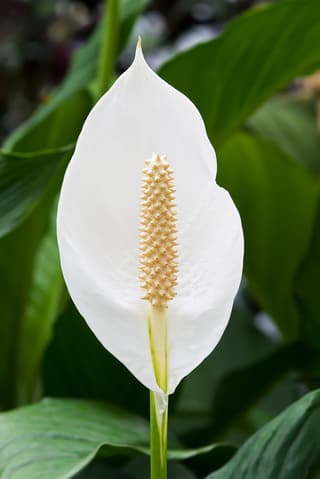
| Peace Lily | Easy | Low light | 4d | ⚠️ |
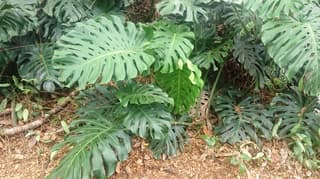
| Swiss Cheese Plant | Easy | Partial shade | 10d | ⚠️ |
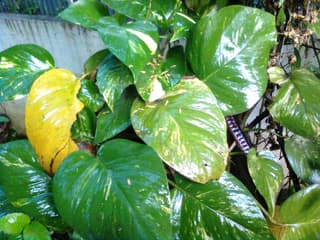
| Golden Pothos | Easy | Low light | 8d | ⚠️ |
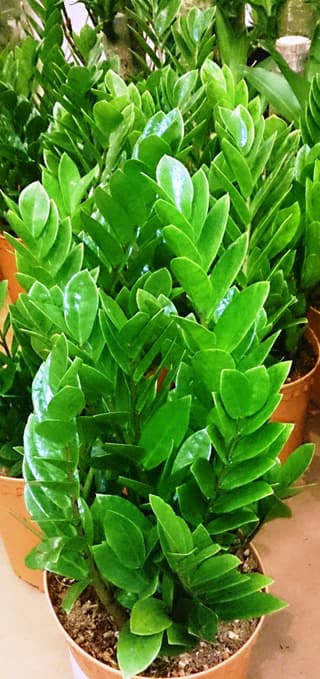
| ZZ Plant | Easy | Low light | 18d | ⚠️ |