Hypoxidaceae
Palm Grass – Curculigo capitulata Complete Care Guide
Curculigo capitulata
Palm Grass is an easy-care tropical plant that thrives in bright indirect light and consistently moist, well-draining soil. It grows fast, tolerates moderate humidity, and requires minimal maintenance. Water every 7 days and fertilize monthly during the growing season.
Every 7 days
Partial shade
10° - 28°C
50% - 80%
Categories
What is Palm Grass?
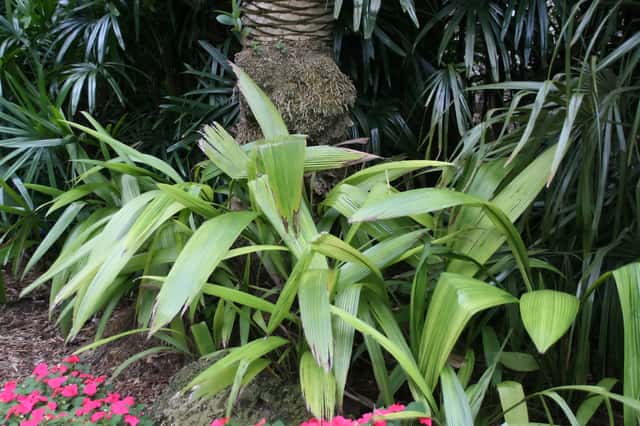
Palm Grass (Curculigo capitulata) is a easy-care plant from the Hypoxidaceae family. Curculigo capitulata, commonly known as Palm Grass, is a lush evergreen perennial native to Southeast Asia. It produces bold, palm-like strap leaves up to 90 cm long that form dense, tropical clumps. Small yellow flowers emerge from the leaf bases and are sweetly scented. A remarkably adaptable plan...
Palm Grass grows up to 1.5m, with spread of 120cm, watering every 7 days, 10°C – 28°C, 50–80% humidity. It is suitable for indoor environments and safe for pets.
Unlike many tropical plants, Palm Grass tolerates watering mistakes. Best for beginners. Unlike many popular species, Palm Grass is safe to keep around pets. Without adequate drainage, root rot can develop within 14 days.
How to Care for Palm Grass?
TLDR: Palm Grass needs Partial shade, watering every 7 days, and temperatures between 10-28°C with 50-80% humidity.
How Often Should You Water Palm Grass?
Water thoroughly every 7 days, allowing the top inch of soil to dry slightly between waterings. Reduce frequency to every 10-15 days in winter. Avoid waterlogging to prevent root rot.
How Much Light Does Palm Grass Need?
Place in bright, indirect light. Avoid harsh direct sun, which can scorch leaves. It can tolerate light shade but grows fastest with filtered bright light near an east- or north-facing window.
What Is the Best Soil for Palm Grass?
Use a well-draining mix: combine regular potting soil with perlite and a portion of peat. Ensure the pot has drainage holes. pH between 5.5 and 7.0 is ideal.
What Pot Should You Use for Palm Grass?
Terracotta or ceramic pot with drainage holes; avoid glazed pots that retain moisture.
Care Schedule
Fertilize
Every 30 days
Misting
Every 7 days
Repot
Every 730 days
What Is Palm Grass and Where Does It Come From?
Curculigo capitulata, commonly known as Palm Grass, is a lush evergreen perennial native to Southeast Asia. It produces bold, palm-like strap leaves up to 90 cm long that form dense, tropical clumps. Small yellow flowers emerge from the leaf bases and are sweetly scented. A remarkably adaptable plant suitable for both indoor and outdoor cultivation.
How to Propagate Palm Grass?
Rhizome Division
Perform division in April for best results. Keep newly divided plants in a warm, humid spot until established.
- 1 Remove the plant from its pot during spring repotting
- 2 Gently separate the rhizome clumps using a clean knife
- 3 Ensure each division has healthy roots and at least one leaf
- 4 Pot each division in fresh well-draining mix and water thoroughly
Materials needed:
How Big Does Palm Grass Grow?
TLDR: Palm Grass can reach up to 1.5m tall with Fast growth rate.
Max height
1.5m
Spread
1.2m
Growth rate
Fast
Foliage
Evergreen
Plant Uses
Ornamental
Great for decoration
Medicinal
Medicinal properties
Medicinal Uses
- Traditional medicine for urinary disorders, fever, and as a tonic in Southeast Asian folk medicine
Culinary Uses
- Leaves used as food wrappers in parts of Southeast Asia
Is your plant showing symptoms?
Click on the symptom to discover possible causes:
What Diseases Commonly Affect Palm Grass?
TLDR: Palm Grass is susceptible to 7 known diseases. Monitor regularly for early detection.
Leaf Spot
Leaf spot is a common fungal disease caused by various pathogens including Alternaria, Ascochyta, Colletotrichum, Septoria, and Venturia. It primarily affects leaves, causing discolored spots that can lead to premature leaf drop if left untreated.
Fusarium Wilt
Fusarium wilt is a serious fungal disease caused by the soil-borne fungus Fusarium oxysporum. The fungus invades roots and blocks the water-conducting vessels (xylem) of the plant, causing progressive wilting and eventual death. Host-specific forms of the pathogen exist that attack different plant species.
Root Rot
Root rot is a serious fungal disease that affects the root system of plants, causing them to decay and die. It is primarily caused by overwatering, poor drainage, or soil-borne fungi such as Pythium, Phytophthora, Rhizoctonia, and Fusarium. The disease thrives in waterlogged conditions where roots are deprived of oxygen, making them susceptible to fungal infection.
Spider Mites
Spider mites are tiny arachnids (less than 1/20 inch long) related to spiders and ticks that feed on plant sap. They thrive in hot, dry conditions and can cause significant damage to ornamental and vegetable plants. During severe infestations, crop losses can reach 14% or higher as these pests disrupt vital plant processes including photosynthesis, carbon dioxide absorption, and transpiration.
Meaning & Symbolism
A symbol of resilience and tropical abundance, this plant brings lush, exotic energy to any space.
Fun Facts
Palm Grass leaves were traditionally used by Southeast Asian communities to wrap fish and food for cooking
Its fibers have been historically used to make fishing nets, ropes, and even hairpieces
Despite its palm-like appearance, Curculigo capitulata is not a true palm but belongs to the Hypoxidaceae family
It produces small, sweetly fragrant yellow flowers that emerge hidden among the leaf bases
Frequently asked questions
How often should I water Palm Grass?
Does Palm Grass tolerate low light?
Is Palm Grass toxic to pets?
How fast does Palm Grass grow?
When should I repot Palm Grass?
Compare with similar plants
| Attribute | Difficulty | Light | Watering | Pet Safe |
|---|---|---|---|---|
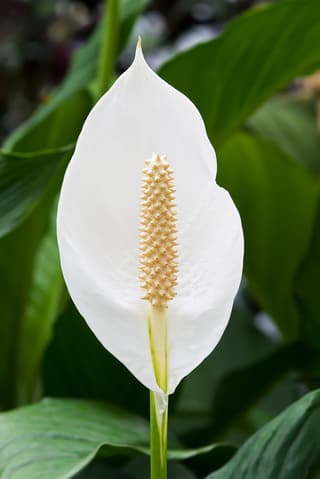
| Peace Lily | Easy | Low light | 4d | ⚠️ |
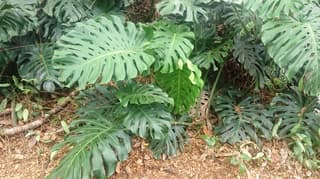
| Swiss Cheese Plant | Easy | Partial shade | 10d | ⚠️ |
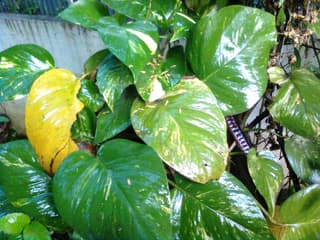
| Golden Pothos | Easy | Low light | 8d | ⚠️ |
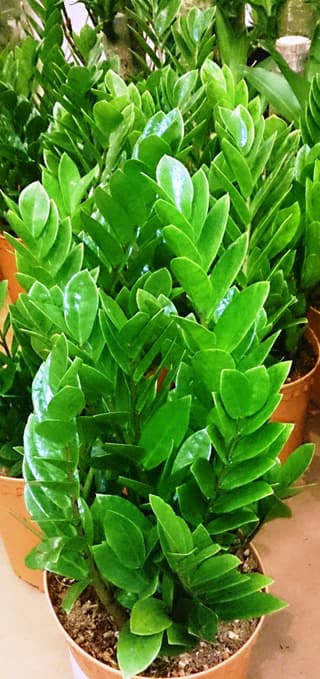
| ZZ Plant | Easy | Low light | 18d | ⚠️ |