Arecaceae
Queen Palm (Syagrus romanzoffiana): Complete Care Guide
Syagrus romanzoffiana
Queen Palm is a hardy, low-maintenance palm. It thrives in full sun with well-draining, slightly acidic soil. Water moderately, allowing the top layer to dry between waterings. Fertilize every 60 days with a palm-specific fertilizer rich in potassium, magnesium, and manganese. Once established, it tolerates moderate drought.
Every 10 days
Direct sun
-8° - 38°C
40% - 70%
Categories
What is Queen Palm?
Queen Palm (Syagrus romanzoffiana) is a easy-care plant from the Arecaceae family. The Queen Palm (Syagrus romanzoffiana) is a stately feather palm native to Brazil and South America, belonging to the family Arecaceae. Prized for its graceful arching fronds and slender trunk, it is one of the most popular landscape palms in subtropical and tropical regions worldwide. It can reach...
Queen Palm grows up to 15.0m, with spread of 750cm, watering every 10 days, -8°C – 38°C, 40–70% humidity. It is not suitable for indoor environments and safe for pets.
Unlike many tropical plants, Queen Palm tolerates watering mistakes. Best for beginners. Unlike many popular species, Queen Palm is safe to keep around pets.
How to Care for Queen Palm?
TLDR: Queen Palm needs Direct sun, watering every 10 days, and temperatures between -8-38°C with 40-70% humidity.
How Often Should You Water Queen Palm?
Water every 7 to 14 days depending on season and climate. Allow the top 2-3 inches of soil to dry between waterings. Avoid waterlogged conditions as root rot is the most common problem. During hot summers, increase watering frequency slightly.
How Much Light Does Queen Palm Need?
Queen Palm requires full sun — at least 6 hours of direct sunlight daily. It does not tolerate low-light conditions and is not suitable as an indoor plant. In hotter climates, afternoon shade for young specimens can help establishment.
What Is the Best Soil for Queen Palm?
Prefers well-draining soil with a slightly acidic pH of 5.5–7.0. Sandy loam or loamy mixes with organic matter work best. Avoid alkaline soils as they cause severe micronutrient deficiencies, particularly manganese and magnesium.
What Pot Should You Use for Queen Palm?
As a large outdoor palm, container growing is only appropriate for young specimens. Use 10-30 liter polyethylene grow bags or large plastic containers with excellent drainage until ready for ground planting.
Care Schedule
Fertilize
Every 60 days
Repot
Every 730 days
What Is Queen Palm and Where Does It Come From?
The Queen Palm (Syagrus romanzoffiana) is a stately feather palm native to Brazil and South America, belonging to the family Arecaceae. Prized for its graceful arching fronds and slender trunk, it is one of the most popular landscape palms in subtropical and tropical regions worldwide. It can reach heights of 10-15 meters and produces clusters of bright orange fruits that attract wildlife.
How to Propagate Queen Palm?
Seed propagation
Use a palm-specific potting mix or a blend of coarse sand and organic compost. Maintain temperatures above 20°C for best germination rates.
- 1 Collect fresh, ripe seeds from fallen orange fruits
- 2 Remove the outer flesh and soak seeds in warm water for 24 hours
- 3 Plant seeds 2-3 cm deep in well-draining palm potting mix
- 4 Keep the substrate lightly moist in a warm, bright location
- 5 Be patient — germination can take 2 to 4 months
Materials needed:
How Big Does Queen Palm Grow?
TLDR: Queen Palm can reach up to 15.0m tall with Medium growth rate.
Max height
15.0m
Spread
7.5m
Growth rate
Medium
Foliage
Evergreen
Plant Uses
Ornamental
Great for decoration
Is your plant showing symptoms?
Click on the symptom to discover possible causes:
What Diseases Commonly Affect Queen Palm?
TLDR: Queen Palm is susceptible to 9 known diseases. Monitor regularly for early detection.
Fusarium Wilt
Fusarium wilt is a serious fungal disease caused by the soil-borne fungus Fusarium oxysporum. The fungus invades roots and blocks the water-conducting vessels (xylem) of the plant, causing progressive wilting and eventual death. Host-specific forms of the pathogen exist that attack different plant species.
Root Rot
Root rot is a serious fungal disease that affects the root system of plants, causing them to decay and die. It is primarily caused by overwatering, poor drainage, or soil-borne fungi such as Pythium, Phytophthora, Rhizoctonia, and Fusarium. The disease thrives in waterlogged conditions where roots are deprived of oxygen, making them susceptible to fungal infection.
Overwatering
Overwatering occurs when plants receive too much water, depriving roots of oxygen and causing root rot. This environmental stress is one of the most common causes of houseplant death, as waterlogged soil prevents roots from breathing and functioning properly.
Scale Insects
Scale insects are small sap-sucking pests that appear as brown, shell-like bumps on plant stems and leaves. There are over 25 species, divided into armored (hard) and unarmored (soft) scales. They feed by piercing plant tissue and extracting sap, which weakens the plant and can lead to yellowing, stunted growth, and even death if left untreated. They also excrete honeydew, which attracts ants and promotes sooty mold growth.
Meaning & Symbolism
Symbol of tropical elegance and resilience, the Queen Palm is associated with warm, vibrant landscapes and is a beloved icon of subtropical urban environments.
Fun Facts
A single Queen Palm can produce up to 100,000 fruits per year, making it a vital food source for birds and mammals
The sweet orange fruits taste like a cross between a date and a banana and are eaten by toucans, parrots, and monkeys in the wild
Despite being a tropical species, Queen Palms can survive temperatures as low as -8°C, making them surprisingly frost-tolerant
Queen Palms are one of the fastest-growing large palms in subtropical climates, commonly used to line boulevards and entrances
Frequently asked questions
How often should I water a Queen Palm?
How much sun does a Queen Palm need?
Is Queen Palm toxic to pets?
What are the most common problems with Queen Palms?
How fast does a Queen Palm grow?
Compare with similar plants
| Attribute | Difficulty | Light | Watering | Pet Safe |
|---|---|---|---|---|
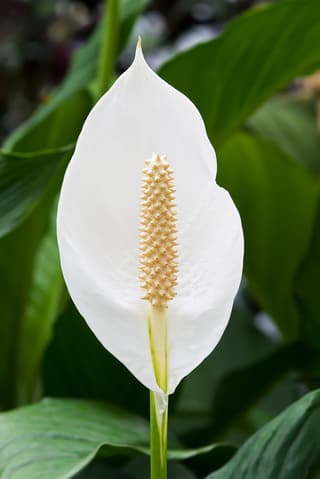
| Peace Lily | Easy | Low light | 4d | ⚠️ |
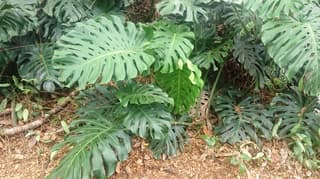
| Swiss Cheese Plant | Easy | Partial shade | 10d | ⚠️ |
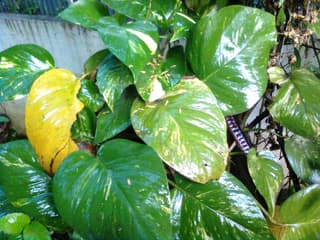
| Golden Pothos | Easy | Low light | 8d | ⚠️ |
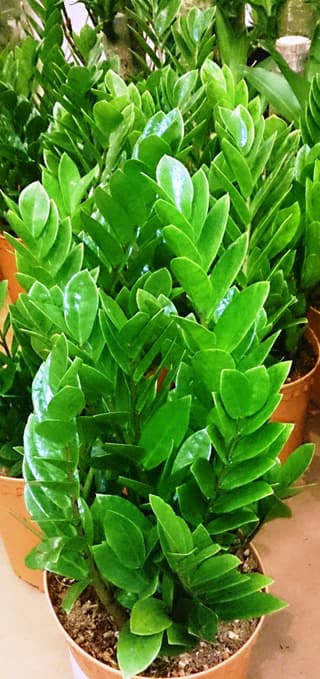
| ZZ Plant | Easy | Low light | 18d | ⚠️ |