Poaceae
Pampas Grass (Cortaderia selloana)
Cortaderia selloana
Low-maintenance and robust plant. Thrives in full sun and well-drained soil. Highly drought-tolerant once established. Requires an annual hard cutback in late winter. Fast-growing and vigorous.
Every 14 days
Direct sun
-12° - 40°C
40% - 70%
Categories
What is Pampas Grass?
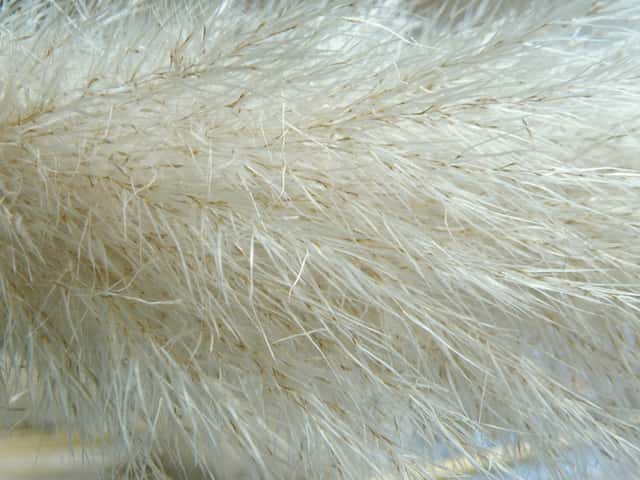
Pampas Grass (Cortaderia selloana) is a easy-care plant from the Poaceae family. Pampas Grass (Cortaderia selloana) is a large, ornamental perennial grass native to the South American pampas. It forms impressive clumps of long, arching, razor-sharp leaves and produces spectacular feathery plumes in white, cream, or pink from summer through autumn, reaching up to 10 feet tall.
Pampas Grass grows up to 3.0m, with spread of 240cm, watering every 14 days, -12°C – 40°C, 40–70% humidity. It is not suitable for indoor environments and safe for pets.
Unlike many tropical plants, Pampas Grass tolerates watering mistakes. Best for beginners. Unlike many popular species, Pampas Grass is safe to keep around pets.
How to Care for Pampas Grass?
TLDR: Pampas Grass needs Direct sun, watering every 14 days, and temperatures between -12-40°C with 40-70% humidity.
How Often Should You Water Pampas Grass?
Water regularly during the first year to help establishment. Once established, it is highly drought-tolerant and only needs watering every 14 days during extended dry periods. Avoid waterlogging the soil.
How Much Light Does Pampas Grass Need?
Plant in a location with full sun, receiving at least 6 hours of direct sunlight per day. Essential for healthy growth and abundant plume production. Avoid shaded locations.
What Is the Best Soil for Pampas Grass?
Tolerates a wide range of well-drained soils, from sandy to clay loam. Adapts to poor soils. Add coarse sand if the soil is too compact. Ideal pH between 5.5 and 7.5.
What Pot Should You Use for Pampas Grass?
Large terracotta pot or directly in the garden. For container growing, use pots at least 20 inches in diameter with good drainage holes.
Care Schedule
Fertilize
Every 365 days
What Is Pampas Grass and Where Does It Come From?
Pampas Grass (Cortaderia selloana) is a large, ornamental perennial grass native to the South American pampas. It forms impressive clumps of long, arching, razor-sharp leaves and produces spectacular feathery plumes in white, cream, or pink from summer through autumn, reaching up to 10 feet tall.
How to Propagate Pampas Grass?
Division
Perform division in late winter or early spring before active growth begins. Always wear thick gloves as the leaf edges are razor-sharp.
- 1 Dig up the main clump with a sturdy spade
- 2 Divide into sections with at least 3-5 healthy shoots
- 3 Cut foliage back to 12 inches to reduce transplant stress
- 4 Plant each section in final location with well-drained soil
- 5 Water thoroughly after planting
Materials needed:
Seed propagation
Germination occurs in 2-3 weeks. Seed-grown plants may not retain the characteristics of the parent plant.
- 1 Surface sow seeds on moist seed compost
- 2 Maintain temperature between 64-72°F (18-22°C)
- 3 Keep substrate evenly moist
- 4 Transplant seedlings when 4 inches tall
Materials needed:
How Big Does Pampas Grass Grow?
TLDR: Pampas Grass can reach up to 3.0m tall with Fast growth rate.
Max height
3.0m
Spread
2.4m
Growth rate
Fast
Foliage
Evergreen
Warning: Toxic Plant
This plant can be toxic if ingested. Keep out of reach of:
Plant Uses
Ornamental
Great for decoration
Ground Cover
Soil coverage
Is your plant showing symptoms?
Click on the symptom to discover possible causes:
What Diseases Commonly Affect Pampas Grass?
TLDR: Pampas Grass is susceptible to 6 known diseases. Monitor regularly for early detection.
Rust
Rust is a common fungal disease caused by fungi in the order Pucciniales that affects a wide variety of plants. The disease gets its name from the characteristic orange, yellow, or reddish-brown pustules that appear on leaves, resembling metal rust. This obligate fungal parasite requires living plants to survive and can cause significant economic losses in agricultural crops.
Root Rot
Root rot is a serious fungal disease that affects the root system of plants, causing them to decay and die. It is primarily caused by overwatering, poor drainage, or soil-borne fungi such as Pythium, Phytophthora, Rhizoctonia, and Fusarium. The disease thrives in waterlogged conditions where roots are deprived of oxygen, making them susceptible to fungal infection.
Leaf Spot
Leaf spot is a common fungal disease caused by various pathogens including Alternaria, Ascochyta, Colletotrichum, Septoria, and Venturia. It primarily affects leaves, causing discolored spots that can lead to premature leaf drop if left untreated.
Spider Mites
Spider mites are tiny arachnids (less than 1/20 inch long) related to spiders and ticks that feed on plant sap. They thrive in hot, dry conditions and can cause significant damage to ornamental and vegetable plants. During severe infestations, crop losses can reach 14% or higher as these pests disrupt vital plant processes including photosynthesis, carbon dioxide absorption, and transpiration.
Meaning & Symbolism
Freedom, natural beauty, and resilience. Evokes the vast South American pampas plains.
Fun Facts
Can reach 10 feet in height with clumps spreading up to 8 feet wide
It is considered an invasive species in many parts of the world, including parts of Europe and California
Its leaf edges are serrated and sharp enough to cause deep cuts
It is one of the most widely cultivated ornamental grasses in the world
Frequently asked questions
How often should I water Pampas Grass?
When should I prune Pampas Grass?
Is Pampas Grass toxic?
How much sun does Pampas Grass need?
When does Pampas Grass flower?
Compare with similar plants
| Attribute | Difficulty | Light | Watering | Pet Safe |
|---|---|---|---|---|
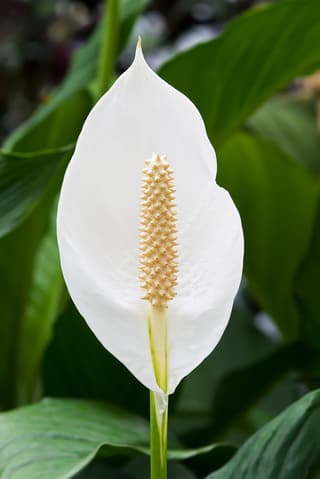
| Peace Lily | Easy | Low light | 4d | ⚠️ |
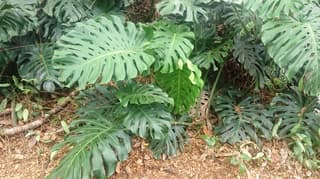
| Swiss Cheese Plant | Easy | Partial shade | 10d | ⚠️ |
| Golden Pothos | Easy | Low light | 8d | ⚠️ |
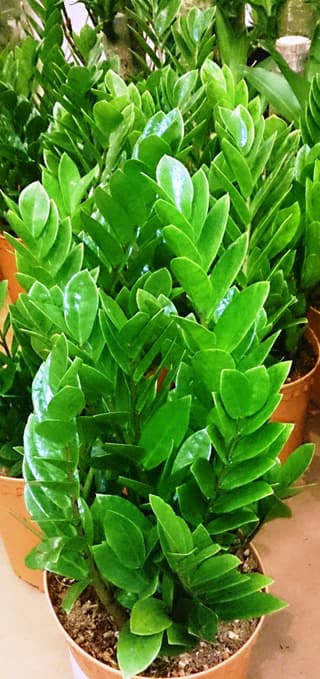
| ZZ Plant | Easy | Low light | 18d | ⚠️ |