Pandanaceae
Tahitian Screwpine (Pandanus tectorius): Complete Care Guide
Pandanus tectorius
A hardy, low-maintenance plant. Thrives in full sun, sandy well-drained soil, and tolerates drought, salt spray, and coastal winds. Water every 10 days; fertilize every 2 months during the growing season. Excellent for tropical outdoor gardens and bright indoor spaces.
Every 10 days
Bright indirect
12° - 38°C
60% - 90%
Categories
What is Tahitian Screwpine?
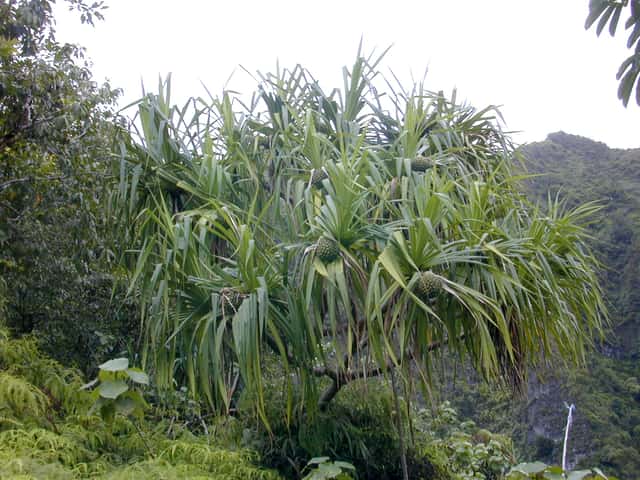
Tahitian Screwpine (Pandanus tectorius) is a easy-care plant from the Pandanaceae family. Pandanus tectorius, known as the Tahitian Screwpine or Hala, is a coastal tropical tree in the Pandanaceae family. Native to the Pacific Islands, Southeast Asia, and Australia, it is renowned for its dramatic prop roots, long spiraling spiny leaves, and colorful pineapple-like fruits. A culturally s...
Tahitian Screwpine grows up to 14.0m, spread of 1000cm, watering every 10 days, 12°C – 38°C, 60–90% humidity. It is suitable for indoor environments and safe for pets.
Unlike many tropical plants, Tahitian Screwpine tolerates watering mistakes. Best for beginners. Unlike many popular species, Tahitian Screwpine is safe to keep around pets. Without adequate drainage, root rot can develop within 20 days.
How to Care for Tahitian Screwpine?
TLDR: Tahitian Screwpine needs Bright indirect, watering every 10 days, and temperatures between 12-38°C with 60-90% humidity.
How Often Should You Water Tahitian Screwpine?
Water every 10 days, allowing soil to dry slightly between waterings. Extremely drought-tolerant — overwatering is more harmful than underwatering. In pots, ensure excellent drainage to prevent root rot.
How Much Light Does Tahitian Screwpine Need?
Requires bright to full sun (30,000–80,000 lux). Indoors, place near a south or west-facing window with abundant light. Avoid prolonged shade, which weakens growth and reduces ornamental appeal.
What Is the Best Soil for Tahitian Screwpine?
Prefers sandy, light, well-drained soil with a pH of 6.0–8.5. Tolerates saline and alkaline coastal soils — ideal for seaside gardens. Avoid heavy clay soils that retain excess moisture.
What Pot Should You Use for Tahitian Screwpine?
Terracotta or ceramic pot with generous drainage holes. For outdoor planting, direct sandy soil planting is ideal. Indoors, use tall pots to accommodate the eventual prop roots.
Care Schedule
Fertilize
Every 60 days
What Is Tahitian Screwpine and Where Does It Come From?
Pandanus tectorius, known as the Tahitian Screwpine or Hala, is a coastal tropical tree in the Pandanaceae family. Native to the Pacific Islands, Southeast Asia, and Australia, it is renowned for its dramatic prop roots, long spiraling spiny leaves, and colorful pineapple-like fruits. A culturally significant species across the Pacific, it has been used for food, weaving, medicine, and shelter for thousands of years.
How to Propagate Tahitian Screwpine?
Seed Propagation
Viable seeds will float — keep them. Use sterile substrate to prevent fungal issues.
- 1 Soak seeds in cool water for 5 days, changing water daily
- 2 Remove the fleshy outer layer of the seed (drupe)
- 3 Plant seed halfway into sandy, well-drained potting mix
- 4 Keep substrate moist in a warm location (24-28°C / 75-82°F)
- 5 Transplant seedling when it reaches 10-15 cm tall
Materials needed:
Stem Cutting
Cuttings with pre-formed aerial roots have a significantly higher success rate.
- 1 Cut a lateral shoot that already has aerial roots
- 2 Allow cut end to dry for 1-2 days
- 3 Plant in moist sandy substrate
- 4 Place in bright, warm location without intense direct sun
- 5 Water moderately until established
Materials needed:
How Big Does Tahitian Screwpine Grow?
TLDR: Tahitian Screwpine can reach up to 14.0m tall with Medium growth rate.
Max height
14.0m
Spread
10.0m
Growth rate
Medium
Foliage
Evergreen
Warning: Toxic Plant
This plant can be toxic if ingested. Keep out of reach of:
Plant Uses
Ornamental
Great for decoration
Edible
Can be consumed
Medicinal
Medicinal properties
Medicinal Uses
- Leaf extracts used to treat fever and inflammation
- Flowers used in traditional Polynesian medicine
- Roots used to treat skin conditions
Culinary Uses
- Edible fruit rich in fiber and vitamins
- Roasted seeds eaten as a snack
- Young leaves used to flavor rice and sweets (pandan)
- Fruit juice consumed as a refreshing drink in Pacific islands
Is your plant showing symptoms?
Click on the symptom to discover possible causes:
What Diseases Commonly Affect Tahitian Screwpine?
TLDR: Tahitian Screwpine is susceptible to 7 known diseases. Monitor regularly for early detection.
Scale Insects
Scale insects are small sap-sucking pests that appear as brown, shell-like bumps on plant stems and leaves. There are over 25 species, divided into armored (hard) and unarmored (soft) scales. They feed by piercing plant tissue and extracting sap, which weakens the plant and can lead to yellowing, stunted growth, and even death if left untreated. They also excrete honeydew, which attracts ants and promotes sooty mold growth.
Mealybugs
Mealybugs are small, soft-bodied insects covered with a white, waxy, cottony material. They are common pests of houseplants and outdoor plants in mild climates. These sap-sucking insects feed on plant tissue, causing damage, stunted growth, and can lead to plant death if left untreated. They produce sticky honeydew which attracts sooty mold.
Spider Mites
Spider mites are tiny arachnids (less than 1/20 inch long) related to spiders and ticks that feed on plant sap. They thrive in hot, dry conditions and can cause significant damage to ornamental and vegetable plants. During severe infestations, crop losses can reach 14% or higher as these pests disrupt vital plant processes including photosynthesis, carbon dioxide absorption, and transpiration.
Thrips
Thrips are tiny cigar-shaped insects (1/25-inch long) that damage plants by sucking plant juices and scraping at fruits, flowers, and leaves. With over 6,000 species and rapid reproduction (lifecycle as short as 14 days), they can quickly infest plants and transmit viruses like tomato spotted wilt virus.
Meaning & Symbolism
A symbol of coastal resilience, abundance, and sustenance in Pacific cultures. The Hala tree represents the interconnection between land, sea, and community in Polynesian traditions.
Fun Facts
The prop roots of Pandanus tectorius can support the tree's full weight in unstable coastal and sandy soils
The Hala fruit has been a staple food across Pacific Islands for over 3,000 years
Leaves are used to weave hats, mats, and baskets throughout Polynesia
It is one of the few tropical trees that tolerates both prolonged drought and temporary flooding
Frequently asked questions
How often should I water the Tahitian Screwpine?
Is Pandanus tectorius toxic to humans?
Can Tahitian Screwpine be grown indoors?
What are the most common pests of Pandanus tectorius?
What soil is best for Tahitian Screwpine?
Compare with similar plants
| Attribute | Difficulty | Light | Watering | Pet Safe |
|---|---|---|---|---|
| Field Maple | Easy | Bright indirect | 14d | ✓ |
| Silver Birch | Easy | Direct sun | 14d | ✓ |
| Cushion Bush | Easy | Direct sun | 14d | ✓ |
| Peruvian peppertree | Easy | Direct sun | 14d | ⚠️ |