Violaceae
Pansy (Viola x wittrockiana)
Viola x wittrockiana
Pansies thrive in cool weather with full sun to partial shade. Water regularly, keeping soil consistently moist but never waterlogged. Deadhead spent flowers to encourage prolonged blooming. Apply balanced fertilizer every 2 weeks during active growth.
Every 3 days
Bright indirect
-5° - 24°C
50% - 70%
Categories
What is Pansy?
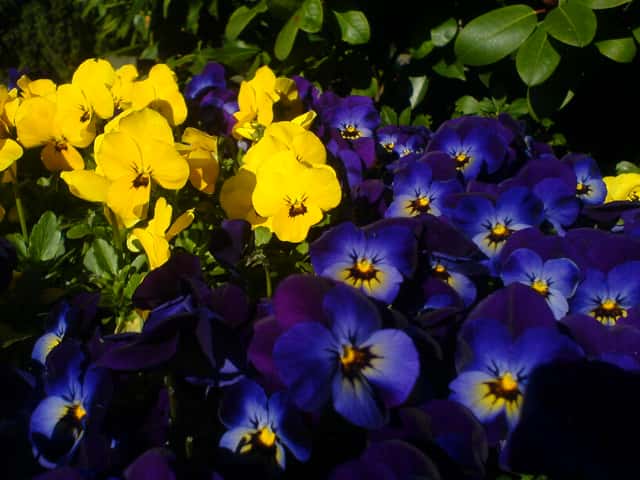
Pansy (Viola x wittrockiana) is a easy-care plant from the Violaceae family. Viola x wittrockiana, commonly known as Pansy, is a hybrid flowering plant developed from European wild violets. One of the most beloved cool-season bedding plants, pansies produce cheerful, velvety blooms with distinctive "face-like" markings in a wide range of colors. They thrive in cool temperatu...
Pansy grows up to 25cm, with spread of 30cm, watering every 3 days, -5°C – 24°C, 50–70% humidity. It is suitable for indoor environments and safe for pets.
Unlike many tropical plants, Pansy tolerates watering mistakes. Best for beginners. Unlike many popular species, Pansy is safe to keep around pets. Without adequate drainage, root rot can develop within 7 days.
How to Care for Pansy?
TLDR: Pansy needs Bright indirect, watering every 3 days, and temperatures between -5-24°C with 50-70% humidity.
How Often Should You Water Pansy?
Water pansies every 2-4 days, keeping soil evenly moist. Avoid overhead watering to prevent fungal diseases — water at the base in the morning. Reduce watering in cool periods, but never let the soil dry out completely.
How Much Light Does Pansy Need?
Pansies prefer full sun (6+ hours daily). In warmer climates, provide afternoon shade to prevent overheating and extend the flowering season. Insufficient light leads to leggy growth and fewer blooms.
What Is the Best Soil for Pansy?
Use fertile, well-draining soil rich in organic matter. A mix with loam, compost, and perlite works well. Target pH between 5.5 and 6.5. Avoid heavy clay soils that retain excess moisture.
What Pot Should You Use for Pansy?
Terracotta or ceramic pots with drainage holes are ideal. Hanging baskets and window boxes also work well for a colorful display.
Care Schedule
Fertilize
Every 14 days
What Is Pansy and Where Does It Come From?
Viola x wittrockiana, commonly known as Pansy, is a hybrid flowering plant developed from European wild violets. One of the most beloved cool-season bedding plants, pansies produce cheerful, velvety blooms with distinctive "face-like" markings in a wide range of colors. They thrive in cool temperatures and are commonly planted in spring and fall gardens.
How to Propagate Pansy?
Seed Sowing
Start seeds 10-12 weeks before the desired planting date. Cold stratification at 35-40°F for 1 week can improve germination.
- 1 Sow seeds in seed-starting mix, barely covering them
- 2 Maintain temperature around 65-70°F (18-21°C)
- 3 Keep soil moist and place in indirect light
- 4 Thin seedlings to 6-9 inches apart after germination
- 5 Transplant outdoors after the last frost risk
Materials needed:
How Big Does Pansy Grow?
TLDR: Pansy can reach up to 25cm tall with Medium growth rate.
Max height
25cm
Spread
30cm
Growth rate
Medium
Foliage
Semi-evergreen
Plant Uses
Ornamental
Great for decoration
Edible
Can be consumed
Culinary Uses
- Pansy flowers are edible and commonly used as garnishes on salads, desserts, and cocktails. They have a mild, slightly floral flavor. Only use flowers from plants not treated with pesticides.
Is your plant showing symptoms?
Click on the symptom to discover possible causes:
What Diseases Commonly Affect Pansy?
TLDR: Pansy is susceptible to 13 known diseases. Monitor regularly for early detection.
Powdery Mildew
Powdery mildew is a common fungal disease caused by various fungi species including Erysiphe, Podosphaera, Oïdium, and Leveillula. It affects over 10,000 plant species worldwide. The disease thrives in warm, dry climates with high humidity and appears as a distinctive white powdery coating on plant surfaces.
Root Rot
Root rot is a serious fungal disease that affects the root system of plants, causing them to decay and die. It is primarily caused by overwatering, poor drainage, or soil-borne fungi such as Pythium, Phytophthora, Rhizoctonia, and Fusarium. The disease thrives in waterlogged conditions where roots are deprived of oxygen, making them susceptible to fungal infection.
Gray Mold (Botrytis Blight)
Gray mold, caused by the fungus Botrytis cinerea, is one of the most common fungal diseases in plants. It affects over 200 plant species, including ornamentals, vegetables, fruits, and houseplants. The disease thrives in cool, humid conditions with poor air circulation, causing grayish spots and soft rot on infected tissues.
Downy Mildew
Downy mildew is a fungal-like disease caused by oomycetes (water molds) that thrives in cool, wet conditions. It affects a wide range of plants, causing yellowing leaves with fuzzy white-gray growth underneath, leading to defoliation and reduced yields if left untreated.
Meaning & Symbolism
Pansies represent remembrance, love, and thoughtful reflection. Their name derives from the French "pensée" (thought). Traditionally used in memorial gardens and as symbols of affection.
Fun Facts
The name "pansy" comes from the French word "pensée," meaning thought or remembrance.
Pansy flowers are edible and have been used to decorate cakes and salads for centuries.
Pansies are one of the few flowers that can bloom in winter in mild climates.
There are over 250 cultivars of Viola x wittrockiana available today.
Frequently asked questions
How often should I water pansies?
Why do my pansies stop blooming?
Are pansies toxic to pets?
Can pansies survive frost?
Compare with similar plants
| Attribute | Difficulty | Light | Watering | Pet Safe |
|---|---|---|---|---|
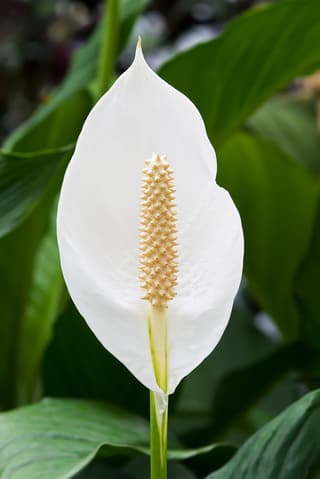
| Peace Lily | Easy | Low light | 4d | ⚠️ |
| Swiss Cheese Plant | Easy | Partial shade | 10d | ⚠️ |
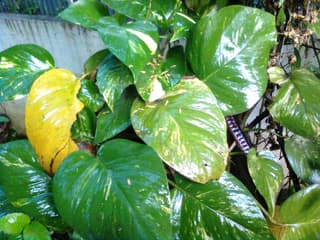
| Golden Pothos | Easy | Low light | 8d | ⚠️ |
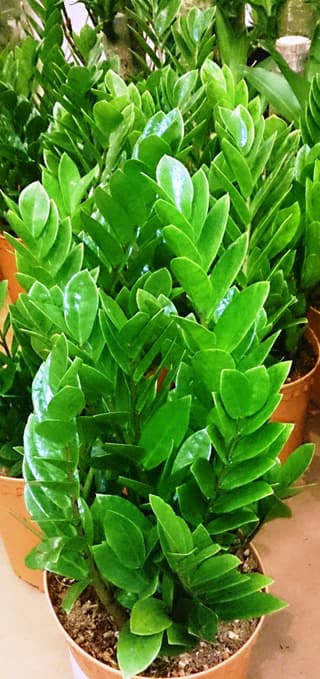
| ZZ Plant | Easy | Low light | 18d | ⚠️ |