Cyperaceae
How to Grow and Care for Umbrella Papyrus (Cyperus alternifolius)
Cyperus alternifolius
Keep soil permanently moist or place the pot in standing water. Provide bright indirect light to full sun. This fast-growing plant tolerates overwatering but never underwatering. Fertilize monthly during the growing season and repot every 2 years.
Every 2 days
Bright indirect
10° - 27°C
50% - 80%
Categories
What is Umbrella Papyrus?
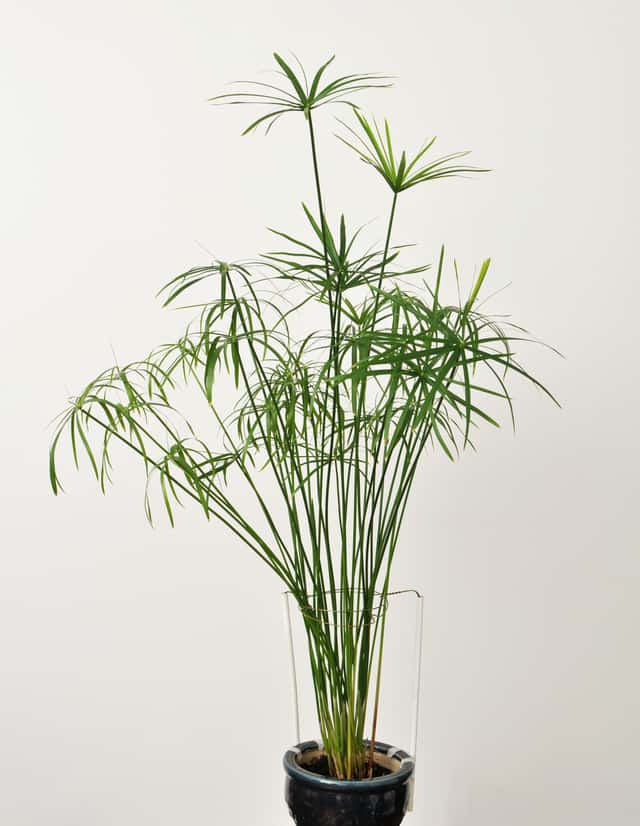
Umbrella Papyrus (Cyperus alternifolius) is a easy-care plant from the Cyperaceae family. Cyperus alternifolius, known as Umbrella Papyrus, is a semi-aquatic perennial sedge native to Madagascar. Its distinctive radiating bracts at the top of tall stems resemble an open umbrella, making it a striking architectural plant for water gardens, pond edges, and indoor containers. It belongs to...
Umbrella Papyrus grows up to 1.5m, with spread of 90cm, watering every 2 days, 10°C – 27°C, 50–80% humidity. It is suitable for indoor environments and safe for pets.
Unlike many tropical plants, Umbrella Papyrus tolerates watering mistakes. Best for beginners. Unlike many popular species, Umbrella Papyrus is safe to keep around pets. Without adequate drainage, root rot can develop within 7 days.
How to Care for Umbrella Papyrus?
TLDR: Umbrella Papyrus needs Bright indirect, watering every 2 days, and temperatures between 10-27°C with 50-80% humidity.
How Often Should You Water Umbrella Papyrus?
Umbrella Papyrus loves water. The easiest method is to keep the saucer permanently filled with water. Never let the soil dry out completely — this is one of the very few houseplants that thrives with its roots in standing water.
How Much Light Does Umbrella Papyrus Need?
Provide bright indirect light to full sun. Place near a south or east-facing window indoors. It tolerates partial shade but grows slower and produces fewer stems in low light.
What Is the Best Soil for Umbrella Papyrus?
Use a rich, loamy potting mix with high organic content. A mix of 2 parts potting soil, 1 part peat moss, and 1 part perlite works well. The plant tolerates clay soils and waterlogged conditions — do not add excessive drainage material.
What Pot Should You Use for Umbrella Papyrus?
Wide, heavy ceramic or terracotta pot to support tall stems. A pot without drainage holes works well — fill the saucer permanently with water. Avoid tall narrow pots as the plant can become top-heavy.
Care Schedule
Fertilize
Every 30 days
Repot
Every 730 days
What Is Umbrella Papyrus and Where Does It Come From?
Cyperus alternifolius, known as Umbrella Papyrus, is a semi-aquatic perennial sedge native to Madagascar. Its distinctive radiating bracts at the top of tall stems resemble an open umbrella, making it a striking architectural plant for water gardens, pond edges, and indoor containers. It belongs to the Cyperaceae family and thrives in consistently wet or waterlogged conditions.
How to Propagate Umbrella Papyrus?
Clump Division
Best done in spring or summer when the plant is actively growing. Keep newly divided sections consistently wet.
- 1 Remove the plant from its pot and rinse away the soil.
- 2 Using a sharp knife or spade, divide the root clump into sections, each with at least 3-4 stems.
- 3 Replant each division in a moist potting mix and keep in standing water.
Materials needed:
Inverted Stem Cutting
This unique upside-down method mimics the plant naturally rooting in water. Change water every few days to prevent stagnation.
- 1 Cut a healthy stem near the base, leaving a few inches of stem below the umbrella of bracts.
- 2 Trim the bracts to about half their length.
- 3 Invert the cutting and place it upside-down in a glass of water, with the bracts submerged.
- 4 Once roots develop (2-3 weeks), pot in moist soil.
Materials needed:
How Big Does Umbrella Papyrus Grow?
TLDR: Umbrella Papyrus can reach up to 1.5m tall with Fast growth rate.
Max height
1.5m
Spread
90cm
Growth rate
Fast
Foliage
Evergreen
Plant Uses
Ornamental
Great for decoration
Is your plant showing symptoms?
Click on the symptom to discover possible causes:
What Diseases Commonly Affect Umbrella Papyrus?
TLDR: Umbrella Papyrus is susceptible to 6 known diseases. Monitor regularly for early detection.
Root Rot
Root rot is a serious fungal disease that affects the root system of plants, causing them to decay and die. It is primarily caused by overwatering, poor drainage, or soil-borne fungi such as Pythium, Phytophthora, Rhizoctonia, and Fusarium. The disease thrives in waterlogged conditions where roots are deprived of oxygen, making them susceptible to fungal infection.
Leaf Spot
Leaf spot is a common fungal disease caused by various pathogens including Alternaria, Ascochyta, Colletotrichum, Septoria, and Venturia. It primarily affects leaves, causing discolored spots that can lead to premature leaf drop if left untreated.
Rust
Rust is a common fungal disease caused by fungi in the order Pucciniales that affects a wide variety of plants. The disease gets its name from the characteristic orange, yellow, or reddish-brown pustules that appear on leaves, resembling metal rust. This obligate fungal parasite requires living plants to survive and can cause significant economic losses in agricultural crops.
Spider Mites
Spider mites are tiny arachnids (less than 1/20 inch long) related to spiders and ticks that feed on plant sap. They thrive in hot, dry conditions and can cause significant damage to ornamental and vegetable plants. During severe infestations, crop losses can reach 14% or higher as these pests disrupt vital plant processes including photosynthesis, carbon dioxide absorption, and transpiration.
Meaning & Symbolism
Symbol of abundance and tropical serenity. Historically related to the Nile papyrus used by ancient Egyptians for paper-making, it evokes creativity and connection to water.
Fun Facts
Cyperus alternifolius is related to the ancient Egyptian papyrus plant (Cyperus papyrus), which was used to make the world's earliest paper over 5,000 years ago.
It is one of the few houseplants that can grow with its roots permanently submerged in water.
The distinctive umbrella-like bracts are actually not leaves — they are modified leaf-like structures called bracts that surround the tiny flowers.
In the wild, it grows in the marshy wetlands and river banks of Madagascar, providing habitat for aquatic insects and birds.
Frequently asked questions
How often should I water Umbrella Papyrus?
Is Umbrella Papyrus toxic to cats or dogs?
Can Umbrella Papyrus grow indoors?
Why are the tips of my Umbrella Papyrus turning brown?
How do I propagate Umbrella Papyrus?
Compare with similar plants
| Attribute | Difficulty | Light | Watering | Pet Safe |
|---|---|---|---|---|
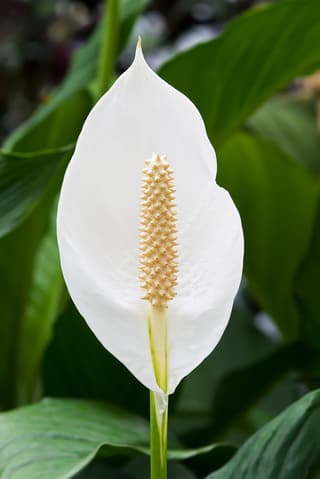
| Peace Lily | Easy | Low light | 4d | ⚠️ |
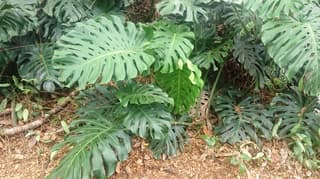
| Swiss Cheese Plant | Easy | Partial shade | 10d | ⚠️ |
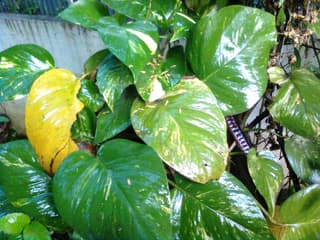
| Golden Pothos | Easy | Low light | 8d | ⚠️ |
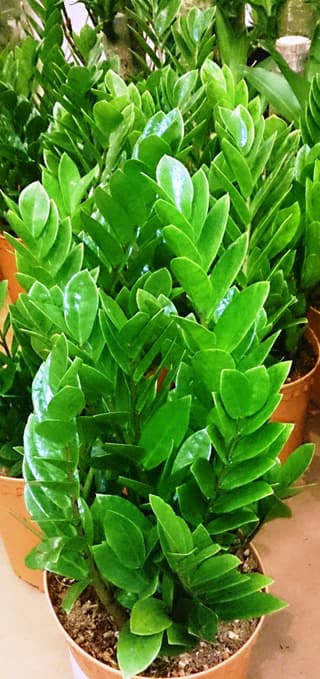
| ZZ Plant | Easy | Low light | 18d | ⚠️ |