Moraceae
Paper Mulberry (Broussonetia papyrifera)
Broussonetia papyrifera
Plant in full sun. Water every 7 days during dry spells; very drought-tolerant once established. Prefers well-drained soil. Fertilize every 2 months during the growing season. Prune moderately to control size and vigour.
Every 7 days
Direct sun
-15° - 38°C
40% - 70%
Categories
What is Paper Mulberry?
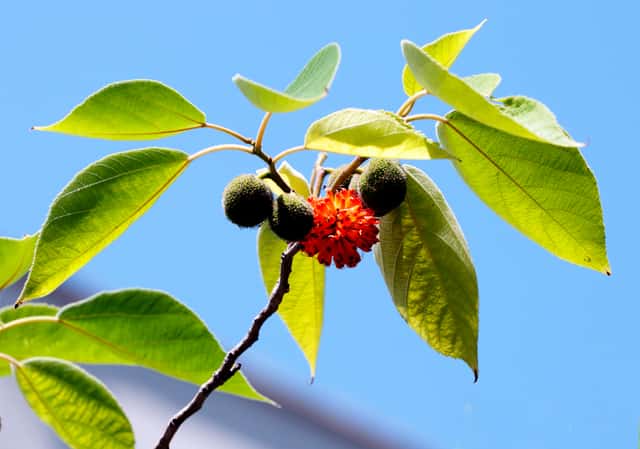
Paper Mulberry (Broussonetia papyrifera) is a easy-care plant from the Moraceae family. Paper mulberry (Broussonetia papyrifera) is a fast-growing deciduous tree native to East Asia. Historically prized for producing washi paper in Japan and tapa cloth across Pacific cultures, it is a highly adaptable tree tolerant of poor soils, drought, and urban pollution.
Paper Mulberry grows up to 15.2m, with spread of 1219cm, watering every 7 days, -15°C – 38°C, 40–70% humidity. It is not suitable for indoor environments and safe for pets.
Unlike many tropical plants, Paper Mulberry tolerates watering mistakes. Best for beginners. Unlike many popular species, Paper Mulberry is safe to keep around pets.
How to Care for Paper Mulberry?
TLDR: Paper Mulberry needs Direct sun, watering every 7 days, and temperatures between -15-38°C with 40-70% humidity.
How Often Should You Water Paper Mulberry?
Water every 7 days in dry periods. Once established, extremely drought-tolerant. Avoid waterlogged soil.
How Much Light Does Paper Mulberry Need?
Requires full sun (6+ hours of direct sunlight). Tolerates light partial shade.
What Is the Best Soil for Paper Mulberry?
Thrives in well-drained soil. Adapts to sandy, clay, chalky, or nutrient-poor soils. pH 5.5–8.0.
What Pot Should You Use for Paper Mulberry?
Large outdoor planter or open garden bed — best suited for outdoor cultivation.
Care Schedule
Fertilize
Every 60 days
What Is Paper Mulberry and Where Does It Come From?
Paper mulberry (Broussonetia papyrifera) is a fast-growing deciduous tree native to East Asia. Historically prized for producing washi paper in Japan and tapa cloth across Pacific cultures, it is a highly adaptable tree tolerant of poor soils, drought, and urban pollution.
How Big Does Paper Mulberry Grow?
TLDR: Paper Mulberry can reach up to 15.2m tall with Fast growth rate.
Max height
15.2m
Spread
12.2m
Growth rate
Fast
Foliage
Deciduous
Plant Uses
Ornamental
Great for decoration
Medicinal
Medicinal properties
Is your plant showing symptoms?
Click on the symptom to discover possible causes:
What Diseases Commonly Affect Paper Mulberry?
TLDR: Paper Mulberry is susceptible to 8 known diseases. Monitor regularly for early detection.
Canker
Canker is a disease caused by various fungi and bacteria that create necrotic, sunken areas on bark of branches, stems, and trunks. Pathogens enter through wounds and natural openings, especially when plants are stressed. Canker can gradually weaken or kill branches by disrupting water and nutrient flow.
Leaf Spot
Leaf spot is a common fungal disease caused by various pathogens including Alternaria, Ascochyta, Colletotrichum, Septoria, and Venturia. It primarily affects leaves, causing discolored spots that can lead to premature leaf drop if left untreated.
Root Rot
Root rot is a serious fungal disease that affects the root system of plants, causing them to decay and die. It is primarily caused by overwatering, poor drainage, or soil-borne fungi such as Pythium, Phytophthora, Rhizoctonia, and Fusarium. The disease thrives in waterlogged conditions where roots are deprived of oxygen, making them susceptible to fungal infection.
Aphids
Aphids are small, soft-bodied, pear-shaped insects (1/16 to 1/8 inch long) that feed by sucking nutrient-rich sap from plants. They reproduce rapidly and can quickly weaken plants, causing distorted growth and transmitting plant viruses. Aphids come in various colors including green, black, red, yellow, brown, and gray. They secrete honeydew, a sticky substance that attracts ants and encourages sooty mold growth.
Meaning & Symbolism
In Asian and Pacific cultures, the paper mulberry symbolizes ingenuity, cultural heritage, and ancestral craft — the source of Japanese washi paper and Polynesian tapa cloth.
Fun Facts
The bark of paper mulberry has been used for centuries to make Japanese washi paper.
It is considered invasive in parts of the southeastern United States due to aggressive root sucker spread.
It produces edible orange-red fruits that attract birds and wildlife.
Frequently asked questions
Is paper mulberry toxic to pets?
How often should I water it?
Can it grow in a pot?
Compare with similar plants
| Attribute | Difficulty | Light | Watering | Pet Safe |
|---|---|---|---|---|
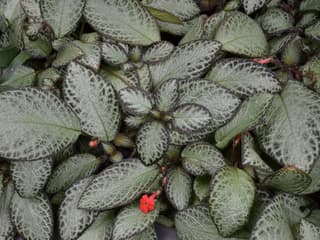
| Flame Violet | Easy | Partial shade | 7d | ✓ |
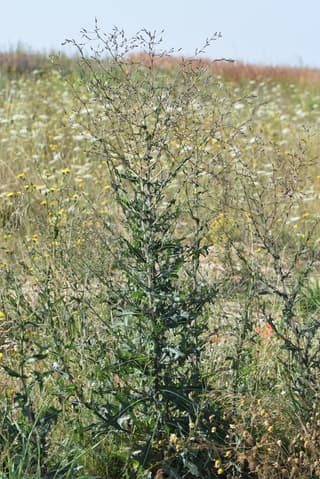
| Prickly Lettuce | Easy | Direct sun | 7d | ✓ |
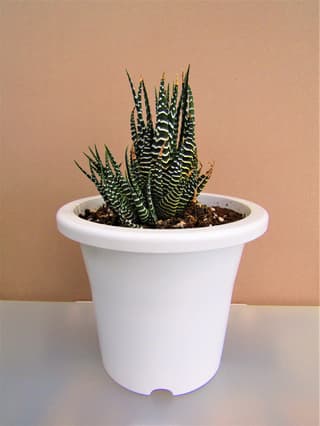
| Haworthiopsis (genus) | Easy | Partial shade | 14d | ✓ |
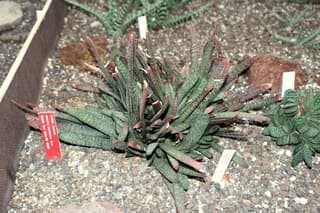
| Gasteria (genus) | Easy | Partial shade | 14d | ✓ |