Simaroubaceae
Paradise Tree: Edible Plant
Simarouba amara
Thrives in full sun and high humidity with well-draining soil. It requires significant space to grow and protection from temperatures below 15 degrees Celsius.
Every 10 days
Bright indirect
18° - 34°C
70% - 90%
Categories
What is Paradise Tree?
Paradise Tree (Simarouba amara) is a easy-care plant from the Simaroubaceae family. Simarouba amara, commonly known as the Paradise Tree or Bitterwood, is a majestic tropical evergreen tree native to the rainforests of Central and South America. It is distinguished by its glossy, dark green pinnate leaves and a straight trunk with smooth, greyish bark. The tree produces small, inco...
Paradise Tree grows up to 42.0m, with spread of 2000cm, watering every 10 days, 18°C – 34°C, 70–90% humidity. It is not suitable for indoor environments and not safe for pets.
Unlike many tropical plants, Paradise Tree tolerates watering mistakes. Best for beginners. Without precautions, ingestion can cause irritation in pets. Keep out of reach of cats and dogs.
How to Care for Paradise Tree?
TLDR: Paradise Tree needs Bright indirect, watering every 10 days, and temperatures between 18-34°C with 70-90% humidity.
How Often Should You Water Paradise Tree?
Water deeply and regularly during the first two years of establishment; mature trees are moderately drought-tolerant but prefer consistent moisture.
How Much Light Does Paradise Tree Need?
Requires full sun for optimal growth; young saplings can tolerate partial shade but will grow leggy without sufficient light.
What Is the Best Soil for Paradise Tree?
Prefers deep, fertile, well-drained loamy soils but can adapt to sandy or clay soils if drainage is adequate.
What Pot Should You Use for Paradise Tree?
Best grown in the ground; if started in a pot, use a large, deep terracotta container with excellent drainage.
Care Schedule
Fertilize
Every 90 days
What Is Paradise Tree and Where Does It Come From?
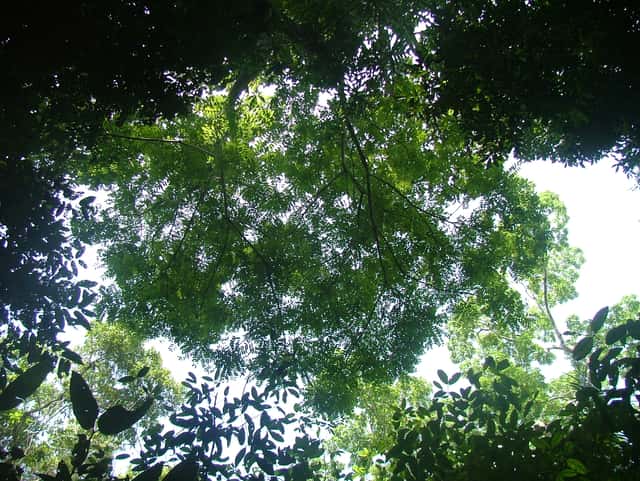
Simarouba amara, commonly known as the Paradise Tree or Bitterwood, is a majestic tropical evergreen tree native to the rainforests of Central and South America. It is distinguished by its glossy, dark green pinnate leaves and a straight trunk with smooth, greyish bark. The tree produces small, inconspicuous yellowish flowers that develop into oval drupes, which turn from red to blackish-purple when ripe. It is highly valued in its native range for its medicinal properties, particularly the bark, which contains bitter quassinoids used to treat various ailments.
How to Propagate Paradise Tree?
Seed Propagation
- Fresh seeds have a much higher germination rate than dried seeds.
- Avoid overwatering to prevent fungal rot during the seedling stage.
- 1 Seed Collection
Harvest seeds from ripe, dark purple drupes and remove the fleshy pulp immediately.
- 2 Sowing
Sow seeds in a light, sandy nursery mix at a depth of 1 cm.
- 3 Germination
Keep the medium consistently moist and warm, ideally around 25-28 degrees Celsius.
Materials needed:
Semi-Hardwood Cuttings
- Use a bottom heat mat to encourage faster root development.
- Keep out of direct sunlight until roots are well established.
- 1 Cutting Selection
Take 15-20 cm cuttings from semi-hardwood branches of a healthy parent tree.
- 2 Preparation
Remove lower leaves and dip the cut end into rooting hormone powder.
- 3 Planting
Insert into a mix of perlite and peat, keeping under high humidity or a misting system.
Materials needed:
How Big Does Paradise Tree Grow?
TLDR: Paradise Tree can reach up to 42.0m tall with Fast growth rate.
Max height
42.0m
Spread
20.0m
Growth rate
Fast
Foliage
Evergreen
Warning: Toxic Plant
This plant can be toxic if ingested. Keep out of reach of:
Plant Uses
Ornamental
Great for decoration
Medicinal
Medicinal properties
Edible
Can be consumed
Medicinal Uses
- Treatment of dysentery and diarrhea
- Malaria treatment
- Digestive aid
- Skin parasite treatment
Is your plant showing symptoms?
Click on the symptom to discover possible causes:
What Diseases Commonly Affect Paradise Tree?
TLDR: Paradise Tree is susceptible to 4 known diseases. Monitor regularly for early detection.
Root Rot
Root rot is a serious fungal disease that affects the root system of plants, causing them to decay and die. It is primarily caused by overwatering, poor drainage, or soil-borne fungi such as Pythium, Phytophthora, Rhizoctonia, and Fusarium. The disease thrives in waterlogged conditions where roots are deprived of oxygen, making them susceptible to fungal infection.
Mealybugs
Mealybugs are small, soft-bodied insects covered with a white, waxy, cottony material. They are common pests of houseplants and outdoor plants in mild climates. These sap-sucking insects feed on plant tissue, causing damage, stunted growth, and can lead to plant death if left untreated. They produce sticky honeydew which attracts sooty mold.
Spider Mites
Spider mites are tiny arachnids (less than 1/20 inch long) related to spiders and ticks that feed on plant sap. They thrive in hot, dry conditions and can cause significant damage to ornamental and vegetable plants. During severe infestations, crop losses can reach 14% or higher as these pests disrupt vital plant processes including photosynthesis, carbon dioxide absorption, and transpiration.
Canker
Canker is a disease caused by various fungi and bacteria that create necrotic, sunken areas on bark of branches, stems, and trunks. Pathogens enter through wounds and natural openings, especially when plants are stressed. Canker can gradually weaken or kill branches by disrupting water and nutrient flow.
Meaning & Symbolism
Symbolizes healing, resilience, and the cleansing power of nature in many Caribbean cultures.
Compare with similar plants
| Attribute | Difficulty | Light | Watering | Pet Safe |
|---|---|---|---|---|
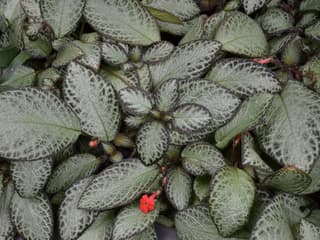
| Flame Violet | Easy | Partial shade | 7d | ✓ |
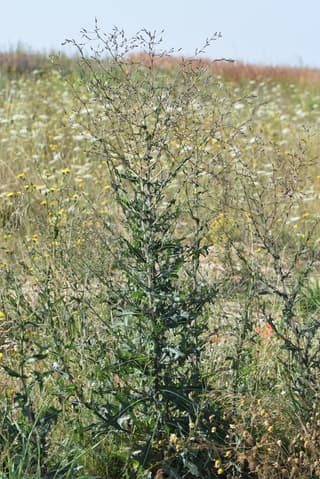
| Prickly Lettuce | Easy | Direct sun | 7d | ✓ |
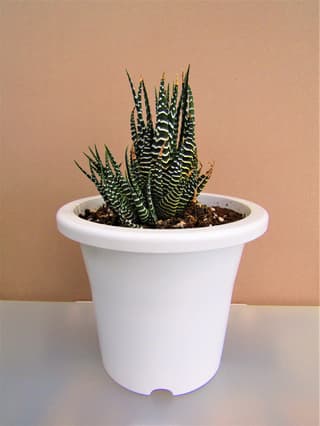
| Haworthiopsis (genus) | Easy | Partial shade | 14d | ✓ |
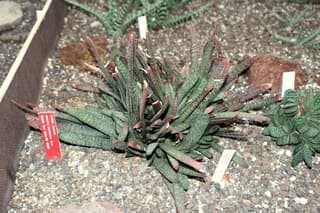
| Gasteria (genus) | Easy | Partial shade | 14d | ✓ |