Lamiaceae
Chaste Tree (Vitex)
Vitex
Easy, heat- and drought-tolerant flowering shrubs for full sun and free-draining soil. Once established they need little care and bloom prolifically in summer; prune hard in late winter to encourage strong new flowering wood.
Every 14 days
Direct sun
-15° - 40°C
30% - 60%
Categories
What is Chaste tree?
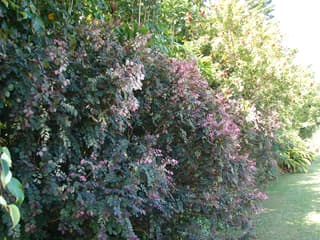
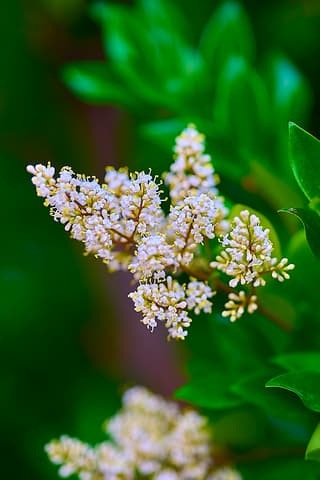
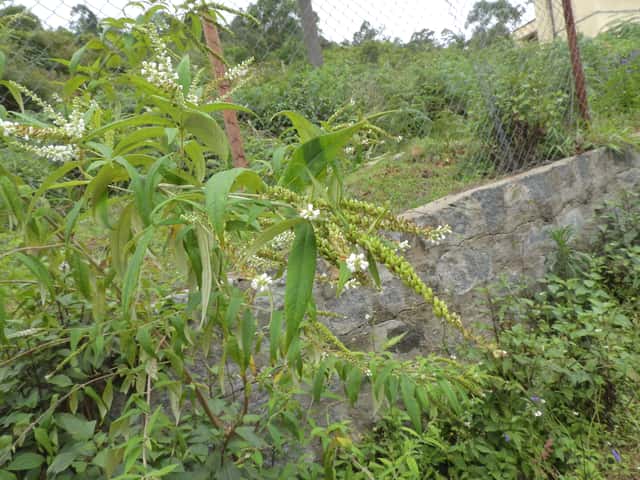
Chaste tree (Vitex) is a easy-care plant from the Lamiaceae family. Vitex is a genus of aromatic, sun-loving shrubs and small trees, best known from the cultivated chaste tree (Vitex agnus-castus). These deciduous plants grow to about 3-6 m and produce showy summer spikes of fragrant purple, blue, pink or white flowers above palmate, grey-green foliage.
Chaste tree grows up to 6.1m, spread of 610cm, watering every 14 days, -15°C – 40°C, 30–60% humidity. It is not suitable for indoor environments and safe for pets.
Unlike many tropical plants, Chaste tree tolerates watering mistakes. Best for beginners. Unlike many popular species, Chaste tree is safe to keep around pets.
How to Care for Chaste tree?
TLDR: Chaste tree needs Direct sun, watering every 14 days, and temperatures between -15-40°C with 30-60% humidity.
How Often Should You Water Chaste tree?
Water regularly during the first season to establish; afterwards water only in extended dry spells. Vitex resents soggy soil and is far more tolerant of drought than of overwatering.
How Much Light Does Chaste tree Need?
Give full sun — at least six hours daily. Flowering and aromatic foliage are strongest in hot, bright positions; shade leads to leggy growth and few blooms.
What Is the Best Soil for Chaste tree?
Plant in light, well-draining soil; it tolerates poor, sandy or rocky ground and a wide pH. Sharp drainage is the single most important requirement.
What Pot Should You Use for Chaste tree?
Best in the open ground; younger plants grow well in large, free-draining containers but need careful watering and annual pruning to stay compact.
Care Schedule
Fertilize
Every 90 days
What Is Chaste tree and Where Does It Come From?
Vitex is a genus of aromatic, sun-loving shrubs and small trees, best known from the cultivated chaste tree (Vitex agnus-castus). These deciduous plants grow to about 3-6 m and produce showy summer spikes of fragrant purple, blue, pink or white flowers above palmate, grey-green foliage.
How to Propagate Chaste tree?
How Big Does Chaste tree Grow?
TLDR: Chaste tree can reach up to 6.1m tall with Fast growth rate.
Max height
6.1m
Spread
6.1m
Growth rate
Fast
Foliage
Deciduous
Plant Uses
Ornamental
Great for decoration
Medicinal
Medicinal properties
Aromatic
Pleasant fragrance
Medicinal Uses
- Ripe berries used traditionally to support hormonal balance and ease premenstrual symptoms
- Leaf and berry preparations used in folk medicine as a calming tonic
Culinary Uses
- Dried berries ground as a peppery seasoning, the origin of the name monk's pepper
Is your plant showing symptoms?
Click on the symptom to discover possible causes:
What Diseases Commonly Affect Chaste tree?
TLDR: Chaste tree is susceptible to 5 known diseases. Monitor regularly for early detection.
Root Rot
Root rot is a serious fungal disease that affects the root system of plants, causing them to decay and die. It is primarily caused by overwatering, poor drainage, or soil-borne fungi such as Pythium, Phytophthora, Rhizoctonia, and Fusarium. The disease thrives in waterlogged conditions where roots are deprived of oxygen, making them susceptible to fungal infection.
Leaf Spot
Leaf spot is a common fungal disease caused by various pathogens including Alternaria, Ascochyta, Colletotrichum, Septoria, and Venturia. It primarily affects leaves, causing discolored spots that can lead to premature leaf drop if left untreated.
Scale Insects
Scale insects are small sap-sucking pests that appear as brown, shell-like bumps on plant stems and leaves. There are over 25 species, divided into armored (hard) and unarmored (soft) scales. They feed by piercing plant tissue and extracting sap, which weakens the plant and can lead to yellowing, stunted growth, and even death if left untreated. They also excrete honeydew, which attracts ants and promotes sooty mold growth.
Spider Mites
Spider mites are tiny arachnids (less than 1/20 inch long) related to spiders and ticks that feed on plant sap. They thrive in hot, dry conditions and can cause significant damage to ornamental and vegetable plants. During severe infestations, crop losses can reach 14% or higher as these pests disrupt vital plant processes including photosynthesis, carbon dioxide absorption, and transpiration.
Meaning & Symbolism
Chastity, calm and protection — historically linked to serenity and used as a symbol of purity.
Fun Facts
Vitex flowers on the current season's growth, so even a hard pruning is rewarded with more blooms.
Its berries have been used since antiquity and gave rise to the common names monk's pepper and chaste tree.
Frequently asked questions
When should I prune Vitex?
Why is my Vitex not flowering?
Compare with similar plants
| Attribute | Difficulty | Light | Watering | Pet Safe |
|---|---|---|---|---|
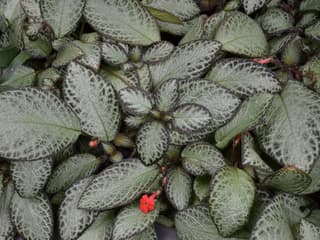
| Flame Violet | Easy | Partial shade | 7d | ✓ |
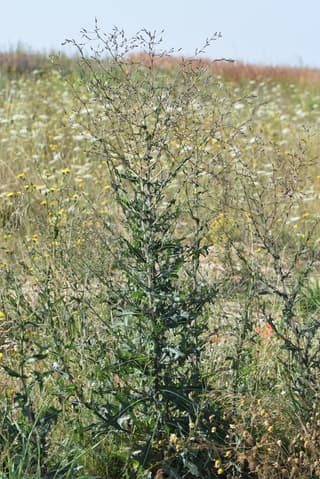
| Prickly Lettuce | Easy | Direct sun | 7d | ✓ |
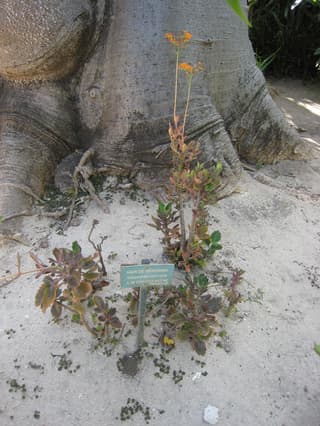
| Christmas Tree Plant | Easy | Bright indirect | 10d | ⚠️ |
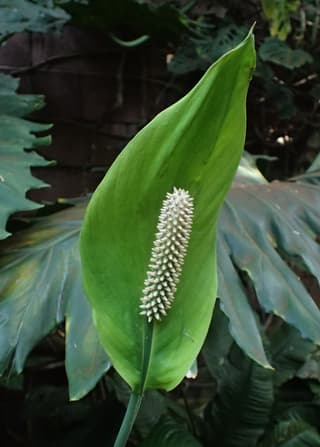
| Peace Lily | Easy | Low light | 7d | ⚠️ |