Poaceae
eastern gamagrass: Ground Cover Plant
Tripsacum dactyloides
Extremely hardy and low-maintenance. Thrives in full sun and moist, deep soils, requiring only an annual cut-back in late winter.
Every 7 days
Direct sun
-30° - 40°C
30% - 90%
Categories
What is eastern gamagrass?
eastern gamagrass (Tripsacum dactyloides) is a easy-care plant from the Poaceae family. Tripsacum dactyloides, commonly known as Eastern Gamagrass, is a robust, native perennial bunchgrass of North America. A distant relative of maize, it forms large, impressive clumps of arching, wide green leaves. It is highly valued for its deep root system, which aids in soil stabilization and drou...
eastern gamagrass grows up to 3.0m, with spread of 150cm, watering every 7 days, -30°C – 40°C, 30–90% humidity. It is not suitable for indoor environments and safe for pets.
Unlike many tropical plants, eastern gamagrass tolerates watering mistakes. Best for beginners. Unlike many popular species, eastern gamagrass is safe to keep around pets.
How to Care for eastern gamagrass?
TLDR: eastern gamagrass needs Direct sun, watering every 7 days, and temperatures between -30-40°C with 30-90% humidity.
How Often Should You Water eastern gamagrass?
Maintain consistent moisture during the first year of growth; once established, it can handle both temporary flooding and moderate drought.
How Much Light Does eastern gamagrass Need?
Requires full sun to maintain its upright, clumping form; in shade, the foliage may become leggy and flop over.
What Is the Best Soil for eastern gamagrass?
While it prefers deep, fertile loams, it is exceptionally tolerant of heavy clay and poorly drained soils.
What Pot Should You Use for eastern gamagrass?
Not recommended for standard pots due to its massive, deep root system; best suited for open ground or very large raised beds.
Care Schedule
Fertilize
Every 180 days
What Is eastern gamagrass and Where Does It Come From?
Tripsacum dactyloides, commonly known as Eastern Gamagrass, is a robust, native perennial bunchgrass of North America. A distant relative of maize, it forms large, impressive clumps of arching, wide green leaves. It is highly valued for its deep root system, which aids in soil stabilization and drought resistance, and its unique flowering spikes that feature distinct male and female sections.
How to Propagate eastern gamagrass?
Rhizome Division
- Keep the divisions moist until they are well-established
- Division is the most reliable way to maintain specific cultivars
- 1 Dig up the clump
In early spring before new growth starts, dig around the base of an established plant to lift the root mass.
- 2 Separate rhizomes
Use a sharp spade or knife to divide the thick rhizomatous crown into sections, ensuring each piece has several healthy roots and at least one bud.
- 3 Replant
Plant the divisions immediately at the same depth as the original plant and water thoroughly.
Materials needed:
Seed Propagation
- Scarifying the seed coat can sometimes improve germination rates
- Direct sowing in the fall allows nature to handle the stratification process
- 1 Cold Stratification
Seeds have a hard coat and require a period of cold, moist stratification (6-10 weeks) to break dormancy.
- 2 Sowing
Sow seeds 1-2 cm deep in moist soil during late fall or early spring.
- 3 Germination
Be patient, as germination can be erratic and may take several months depending on soil temperature.
Materials needed:
How Big Does eastern gamagrass Grow?
TLDR: eastern gamagrass can reach up to 3.0m tall with Fast growth rate.
Max height
3.0m
Spread
1.5m
Growth rate
Fast
Foliage
Deciduous
Plant Uses
Ornamental
Great for decoration
Ground Cover
Soil coverage
Edible
Can be consumed
Culinary Uses
- Seeds can be ground into a nutritious flour
- Grains can be toasted or cooked similarly to corn
Is your plant showing symptoms?
Click on the symptom to discover possible causes:
Meaning & Symbolism
Symbolizes resilience, structural integrity, and the heritage of the American prairie.
Compare with similar plants
| Attribute | Difficulty | Light | Watering | Pet Safe |
|---|---|---|---|---|
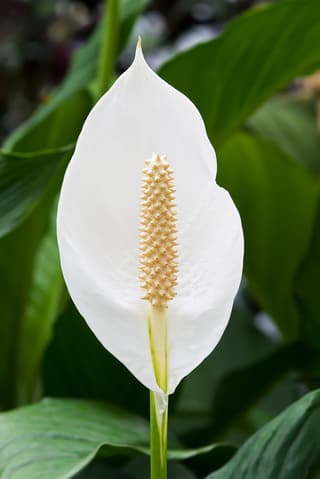
| Peace Lily | Easy | Low light | 4d | ⚠️ |
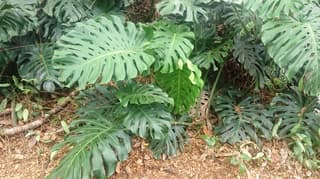
| Swiss Cheese Plant | Easy | Partial shade | 10d | ⚠️ |
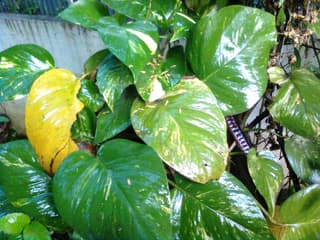
| Golden Pothos | Easy | Low light | 8d | ⚠️ |
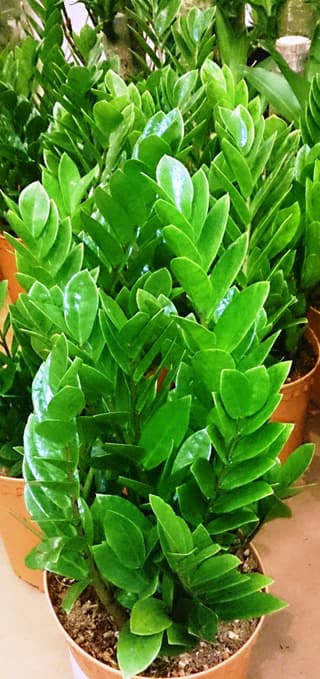
| ZZ Plant | Easy | Low light | 18d | ⚠️ |