Geraniaceae
Geranium: Aromatic Plant
Pelargonium
Pelargonium is an easy-care plant that thrives in bright direct sunlight and prefers infrequent but deep watering. Allow the soil to dry slightly between waterings to prevent root rot. Feed every 2 weeks during the growing season, deadhead spent flowers regularly to encourage continuous blooming, and bring indoors before frost in cooler climates.
Every 7 days
Direct sun
10° - 29°C
40% - 60%
Categories
What is Geranium?
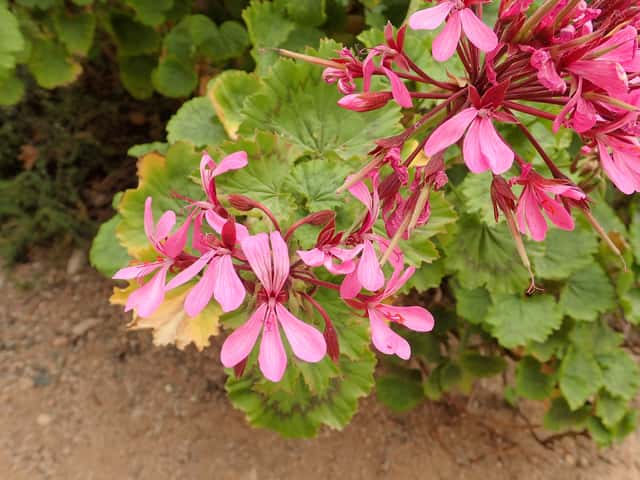
Geranium (Pelargonium) is a easy-care plant from the Geraniaceae family. Pelargonium, commonly known as Geranium or Storksbill, is a genus of over 280 species of flowering plants native to South Africa. Celebrated for their vibrant blooms in shades of red, pink, white, purple, and orange, they are among the most popular garden and container plants worldwide. The genus in...
Geranium grows up to 90cm, spread of 60cm, watering every 7 days, 10°C – 29°C, 40–60% humidity. It is suitable for indoor environments and not safe for pets.
Unlike many tropical plants, Geranium tolerates watering mistakes. Best for beginners. Without precautions, ingestion can cause irritation in pets. Keep out of reach of cats and dogs. Without adequate drainage, root rot can develop within 14 days.
How to Care for Geranium?
TLDR: Geranium needs Direct sun, watering every 7 days, and temperatures between 10-29°C with 40-60% humidity.
How Often Should You Water Geranium?
Water deeply but infrequently, approximately once a week. Allow the top inch of soil to dry out between waterings. Overwatering is the most common mistake — constantly wet soil leads to root rot and fungal diseases. Reduce watering significantly in winter.
How Much Light Does Geranium Need?
Pelargonium requires a minimum of 6–8 hours of direct sunlight daily for best flowering. Indoors, place near the sunniest south- or west-facing window. Insufficient light results in leggy growth and reduced blooms. Light afternoon shade is acceptable in extremely hot climates.
What Is the Best Soil for Geranium?
Use a well-draining potting mix, ideally a blend of loam and sand or perlite. Soil pH should be between 6.5 and 7.5 (neutral to slightly alkaline). Avoid heavy or clay-based soils that retain too much moisture.
What Pot Should You Use for Geranium?
Terracotta or clay pots are ideal as they allow excess moisture to evaporate, reducing the risk of overwatering. Always ensure drainage holes are present.
Care Schedule
Fertilize
Every 14 days
Repot
Every 730 days
What Is Geranium and Where Does It Come From?
Pelargonium, commonly known as Geranium or Storksbill, is a genus of over 280 species of flowering plants native to South Africa. Celebrated for their vibrant blooms in shades of red, pink, white, purple, and orange, they are among the most popular garden and container plants worldwide. The genus includes ornamental, aromatic, and medicinal varieties, many of which are used in perfumery and herbal remedies.
How Big Does Geranium Grow?
TLDR: Geranium can reach up to 90cm tall with Fast growth rate.
Max height
90cm
Spread
60cm
Growth rate
Fast
Foliage
Semi-evergreen
Warning: Toxic Plant
This plant can be toxic if ingested. Keep out of reach of:
Plant Uses
Ornamental
Great for decoration
Aromatic
Pleasant fragrance
Medicinal
Medicinal properties
Edible
Can be consumed
Medicinal Uses
- Pelargonium sidoides root extract (EPs 7630) is used in herbal medicine to treat acute bronchitis and upper respiratory infections
- Rose geranium essential oil (from P. graveolens) is used in aromatherapy for anxiety relief, skin care, and wound healing
- Used in traditional South African medicine for anti-inflammatory and antimicrobial properties
Culinary Uses
- Scented-leaf varieties (rose, lemon, nutmeg) are food-safe and used to flavor cakes, jellies, syrups, and teas
- Edible flowers can be used to garnish desserts, cocktails, and salads
Is your plant showing symptoms?
Click on the symptom to discover possible causes:
What Diseases Commonly Affect Geranium?
TLDR: Geranium is susceptible to 10 known diseases. Monitor regularly for early detection.
Gray Mold (Botrytis Blight)
Gray mold, caused by the fungus Botrytis cinerea, is one of the most common fungal diseases in plants. It affects over 200 plant species, including ornamentals, vegetables, fruits, and houseplants. The disease thrives in cool, humid conditions with poor air circulation, causing grayish spots and soft rot on infected tissues.
Bacterial Blight
Bacterial blight is a serious plant disease caused by pathogenic bacteria that enters plants through wounds or natural openings. It spreads rapidly in warm, wet conditions and can cause significant damage to leaves, stems, and flowers. The bacteria are transmitted by water splash, contaminated tools, and insects.
Root Rot
Root rot is a serious fungal disease that affects the root system of plants, causing them to decay and die. It is primarily caused by overwatering, poor drainage, or soil-borne fungi such as Pythium, Phytophthora, Rhizoctonia, and Fusarium. The disease thrives in waterlogged conditions where roots are deprived of oxygen, making them susceptible to fungal infection.
Rust
Rust is a common fungal disease caused by fungi in the order Pucciniales that affects a wide variety of plants. The disease gets its name from the characteristic orange, yellow, or reddish-brown pustules that appear on leaves, resembling metal rust. This obligate fungal parasite requires living plants to survive and can cause significant economic losses in agricultural crops.
Meaning & Symbolism
Pelargonium symbolizes true friendship, domestic comfort, and happiness. In the Victorian language of flowers, it represents gentility, sincere affection, and protection of the home.
Compare with similar plants
| Attribute | Difficulty | Light | Watering | Pet Safe |
|---|---|---|---|---|
| Field Maple | Easy | Bright indirect | 14d | ✓ |
| Cushion Bush | Easy | Direct sun | 14d | ✓ |
| Chilean Cacti | Easy | Direct sun | 14d | ✓ |
| Flame Violet | Easy | Partial shade | 7d | ✓ |
Choose & Compare
Sources & References
- Pelargonium (Geranium) Plant Care and Growing Guide - Gardenia
- Pelargonium Care Guide: Expert Tips for Annual Geraniums - Garden Delivery
- 9 Common Geranium Diseases and How to Address Them - Gardeners Path
- Pelargonium Care Guide: Tips for Thriving Blooms - WhatFlower
- Geranium Flower Meaning and Symbolism - Petal Republic