Geraniaceae
Myrrh-leaved Pelargonium (Pelargonium myrrhifolium)
Pelargonium myrrhifolium
A resilient, drought-tolerant plant perfect for sunny spots in containers or garden beds. Needs well-draining soil, infrequent watering, and low humidity. Slow-growing but rewarding. Toxic to cats and dogs.
Every 10 days
Direct sun
10° - 29°C
30% - 60%
Categories
What is Myrrh-leaved Pelargonium?
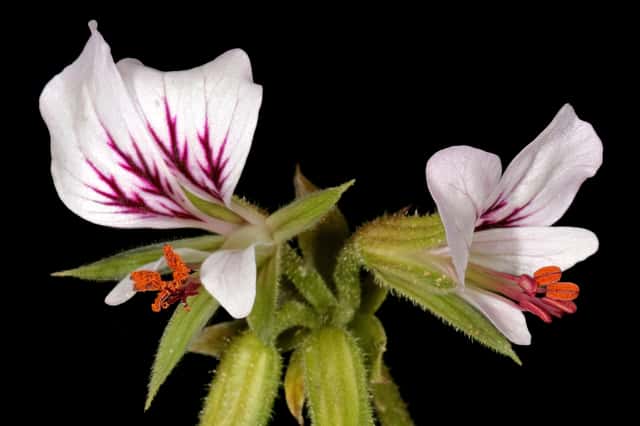
Myrrh-leaved Pelargonium (Pelargonium myrrhifolium) is a easy-care plant from the Geraniaceae family. Pelargonium myrrhifolium is a slow-growing subshrub native to the Western Cape of South Africa. It is prized for its finely divided, fern-like leaves that release a soft myrrh-like fragrance when touched, and for its delicate white, pink, and red flowers that bloom from spring through summer.
Myrrh-leaved Pelargonium grows up to 40cm, spread of 35cm, watering every 10 days, 10°C – 29°C, 30–60% humidity. It is suitable for indoor environments and not safe for pets.
Unlike many tropical plants, Myrrh-leaved Pelargonium tolerates watering mistakes. Best for beginners. Without precautions, ingestion can cause irritation in pets. Keep out of reach of cats and dogs. Without adequate drainage, root rot can develop within 20 days.
How to Care for Myrrh-leaved Pelargonium?
TLDR: Myrrh-leaved Pelargonium needs Direct sun, watering every 10 days, and temperatures between 10-29°C with 30-60% humidity.
How Often Should You Water Myrrh-leaved Pelargonium?
Water every 10 days, allowing the soil to dry completely between waterings. In winter, reduce to once a month. Never let the plant sit in waterlogged soil — root rot is the main risk.
How Much Light Does Myrrh-leaved Pelargonium Need?
Place in full sun with at least 4-6 hours of direct sunlight daily. A south-facing or west-facing window is ideal indoors. Tolerates partial shade in intense heat.
What Is the Best Soil for Myrrh-leaved Pelargonium?
Use a well-draining mix of potting soil with added perlite or coarse sand. Ideal pH is 6.5–7.5. Avoid clay or compacted soils that retain moisture.
What Pot Should You Use for Myrrh-leaved Pelargonium?
Terracotta or ceramic pots are ideal as they promote drainage and root aeration. Always use pots with drainage holes.
Care Schedule
Fertilize
Every 14 days
Rotate
Every 30 days
Repot
Every 730 days
What Is Myrrh-leaved Pelargonium and Where Does It Come From?
Pelargonium myrrhifolium is a slow-growing subshrub native to the Western Cape of South Africa. It is prized for its finely divided, fern-like leaves that release a soft myrrh-like fragrance when touched, and for its delicate white, pink, and red flowers that bloom from spring through summer.
How to Propagate Myrrh-leaved Pelargonium?
Stem Cutting
Do not cover with plastic — pelargoniums need good air circulation. Avoid overwatering during the rooting phase.
- 1 Cut a healthy stem 8-10 cm long, just below a node
- 2 Remove lower leaves, keeping 2-3 at the top
- 3 Allow the cut end to callous for 1-2 hours
- 4 Plant in slightly moist, well-draining mix
- 5 Place in bright indirect light and wait for rooting
Materials needed:
Seed Sowing
Germination can be irregular. Keep substrate lightly moist, never waterlogged.
- 1 Sow seeds on the surface of moist, well-draining seed mix
- 2 Cover lightly with a thin layer of substrate
- 3 Keep in a warm spot (20-24°C) with indirect light
- 4 Transplant seedlings when they reach 5 cm tall
Materials needed:
How Big Does Myrrh-leaved Pelargonium Grow?
TLDR: Myrrh-leaved Pelargonium can reach up to 40cm tall with Slow growth rate.
Max height
40cm
Spread
35cm
Growth rate
Slow
Foliage
Semi-evergreen
Warning: Toxic Plant
This plant can be toxic if ingested. Keep out of reach of:
Plant Uses
Ornamental
Great for decoration
Aromatic
Pleasant fragrance
Is your plant showing symptoms?
Click on the symptom to discover possible causes:
What Diseases Commonly Affect Myrrh-leaved Pelargonium?
TLDR: Myrrh-leaved Pelargonium is susceptible to 4 known diseases. Monitor regularly for early detection.
Root Rot
Root rot is a serious fungal disease that affects the root system of plants, causing them to decay and die. It is primarily caused by overwatering, poor drainage, or soil-borne fungi such as Pythium, Phytophthora, Rhizoctonia, and Fusarium. The disease thrives in waterlogged conditions where roots are deprived of oxygen, making them susceptible to fungal infection.
Gray Mold (Botrytis Blight)
Gray mold, caused by the fungus Botrytis cinerea, is one of the most common fungal diseases in plants. It affects over 200 plant species, including ornamentals, vegetables, fruits, and houseplants. The disease thrives in cool, humid conditions with poor air circulation, causing grayish spots and soft rot on infected tissues.
Whiteflies
Whiteflies are small, soft-bodied, winged insects closely related to aphids and mealybugs. They are moth-like in appearance, about 1/16 inch long, triangular in shape, and gray-white in color. These sap-sucking pests feed on plant tissue, causing yellowing, stunted growth, and wilting. They also excrete honeydew, which attracts ants and promotes sooty mold growth. Whiteflies can transmit serious plant viruses.
Powdery Mildew
Powdery mildew is a common fungal disease caused by various fungi species including Erysiphe, Podosphaera, Oïdium, and Leveillula. It affects over 10,000 plant species worldwide. The disease thrives in warm, dry climates with high humidity and appears as a distinctive white powdery coating on plant surfaces.
Meaning & Symbolism
Subtle elegance and aromatic delicacy — symbolizes refinement and a gentle connection with nature.
Fun Facts
Native to the Western Cape of South Africa, where it grows on rocky slopes and open terrain
Its leaves release a distinctive myrrh-like scent when rubbed — hence the name myrrhifolium, Latin for myrrh-leaved
Despite being called a geranium colloquially, it belongs to the Pelargonium genus, which is botanically distinct from true Geranium
The compound geraniol in its leaves makes it toxic to cats and dogs, though it poses little risk to humans
Frequently asked questions
How often should I water Myrrh-leaved Pelargonium?
Is Pelargonium myrrhifolium toxic to pets?
How much sun does Myrrh-leaved Pelargonium need?
Can I grow it indoors?
How do I propagate Pelargonium myrrhifolium?
Compare with similar plants
| Attribute | Difficulty | Light | Watering | Pet Safe |
|---|---|---|---|---|
| Small Scabious | Easy | Direct sun | 7d | ✓ |
| Field Maple | Easy | Bright indirect | 14d | ✓ |
| Silver Birch | Easy | Direct sun | 14d | ✓ |
| Red valerian | Easy | Direct sun | 10d | ✓ |


