Caryocaraceae
Pequi Tree: The Iconic Tree of the Brazilian Cerrado
Caryocar brasiliense
The Pequi Tree is a hardy tree adapted to the Cerrado savanna, requiring full sun and well-drained soils. It tolerates long drought periods once established, requiring regular watering only during the first year of cultivation. Slow-growing but long-lived and resilient under semi-arid Cerrado conditions.
Every 14 days
Direct sun
15° - 35°C
30% - 60%
Categories
What is Pequi Tree?
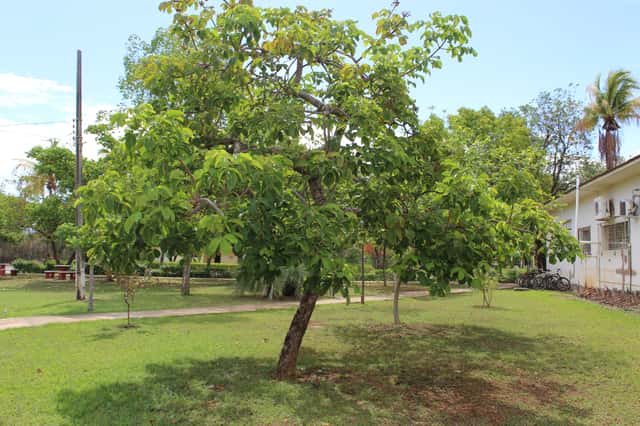
Pequi Tree (Caryocar brasiliense) is a hard-care plant from the Caryocaraceae family. The Pequi Tree (Caryocar brasiliense) is a native tree of the Brazilian Cerrado savanna, iconic to the culture of Central Brazil. With deciduous leaves and fragrant white flowers pollinated by bats, it produces the famous pequi fruit, rich in carotenoids, vitamin C and fatty acids. It can reach 6 to...
Pequi Tree grows up to 11.0m, spread of 1500cm, watering every 14 days, 15°C – 35°C, 30–60% humidity. It is not suitable for indoor environments and safe for pets.
Unlike easy-care plants, Pequi Tree demands constant attention to humidity and light. Not recommended for beginners. Unlike many popular species, Pequi Tree is safe to keep around pets.
How to Care for Pequi Tree?
TLDR: Pequi Tree needs Direct sun, watering every 14 days, and temperatures between 15-35°C with 30-60% humidity.
How Often Should You Water Pequi Tree?
Water regularly during the first year of establishment, especially in the hottest months. Once established, the tree is highly drought-tolerant and can survive on natural rainfall. Avoid waterlogged soil as the Pequi Tree does not tolerate root flooding.
How Much Light Does Pequi Tree Need?
Plant in full sun, without shade. The Pequi Tree needs at least 8 hours of direct sunlight per day to thrive and produce fruit. In partial shade, growth is impaired and fruit production significantly reduced.
What Is the Best Soil for Pequi Tree?
Prefers sandy to loamy, well-drained soils with slightly acidic pH between 5.0 and 6.5, typical of the Cerrado. Tolerates nutrient-poor soils rich in aluminium and iron. Avoid heavy clay or compacted soils that retain excess water.
What Pot Should You Use for Pequi Tree?
As a large outdoor tree, pot cultivation is not applicable. Plant directly in the ground in an ample space, at least 8-10 meters away from other trees and structures.
Care Schedule
Fertilize
Every 90 days
What Is Pequi Tree and Where Does It Come From?
The Pequi Tree (Caryocar brasiliense) is a native tree of the Brazilian Cerrado savanna, iconic to the culture of Central Brazil. With deciduous leaves and fragrant white flowers pollinated by bats, it produces the famous pequi fruit, rich in carotenoids, vitamin C and fatty acids. It can reach 6 to 11 meters in height, with slow growth, taking 4 to 8 years to produce fruit. It is a keystone species for Cerrado biodiversity, serving as food for birds, mammals and bats.
How to Propagate Pequi Tree?
Seed Propagation
Germination is irregular and may take 30 to 50 days. Use fresh seeds as they lose viability quickly. Scarification is essential to overcome physical seed coat dormancy.
- 1 Collect seeds from freshly fallen ripe fruits
- 2 Perform chemical scarification or heat treatment (40°C for 7 days) to break dormancy
- 3 Plant in well-drained sandy substrate at 5 cm depth
- 4 Keep in a sunny location with moderate watering until germination
- 5 Transplant to final location after 6-12 months in nursery
Materials needed:
How Big Does Pequi Tree Grow?
TLDR: Pequi Tree can reach up to 11.0m tall with Slow growth rate.
Max height
11.0m
Spread
15.0m
Growth rate
Slow
Foliage
Deciduous
Plant Uses
Ornamental
Great for decoration
Edible
Can be consumed
Medicinal
Medicinal properties
Medicinal Uses
- Fruit and leaf extracts have antioxidant and anti-inflammatory properties; seed oil is used in folk medicine for inflammations and wounds
Culinary Uses
- Fruit used in rice with pequi, meats, beans, sweets, jams and liqueurs; oil extracted from the seed is used as a condiment and preservative
Is your plant showing symptoms?
Click on the symptom to discover possible causes:
What Diseases Commonly Affect Pequi Tree?
TLDR: Pequi Tree is susceptible to 5 known diseases. Monitor regularly for early detection.
Anthracnose
Anthracnose is a fungal disease caused by fungi in the genus Colletotrichum that affects many plants, including vegetables, fruits, and trees. The disease thrives in cool, wet conditions, causing dark, sunken lesions on leaves, stems, flowers, and fruits.
Leaf Spot
Leaf spot is a common fungal disease caused by various pathogens including Alternaria, Ascochyta, Colletotrichum, Septoria, and Venturia. It primarily affects leaves, causing discolored spots that can lead to premature leaf drop if left untreated.
Caterpillars
Caterpillars are the larval stage of moths and butterflies that feed voraciously on plant foliage, stems, flowers, and fruits. Common species include cabbage loopers, tomato hornworms, armyworms, and cutworms. These pests can cause extensive damage by consuming large amounts of plant tissue in a short time. They vary in size from small (1/4 inch) to large (5 inches), with colors ranging from green to brown, often featuring stripes or spots. Caterpillars are highly mobile and can quickly spread throughout gardens, making them one of the most destructive common pests.
Scale Insects
Scale insects are small sap-sucking pests that appear as brown, shell-like bumps on plant stems and leaves. There are over 25 species, divided into armored (hard) and unarmored (soft) scales. They feed by piercing plant tissue and extracting sap, which weakens the plant and can lead to yellowing, stunted growth, and even death if left untreated. They also excrete honeydew, which attracts ants and promotes sooty mold growth.
Meaning & Symbolism
The Pequi Tree is a symbol of the Cerrado and the cultural identity of Central Brazil, especially in the states of Goiás, Minas Gerais and Mato Grosso. Its fruit is a fundamental ingredient in regional cuisine, representing the resilience and richness of Brazilian biodiversity.
Fun Facts
The Pequi Tree is pollinated mainly by bats, which are attracted by the strong scent of its nocturnal flowers
The pequi fruit has a seed with internal spines — that is why it must be 'scraped' with the teeth, never bitten
The Pequi Tree can live for hundreds of years, being one of the longest-lived trees in the Brazilian Cerrado
A single Pequi Tree can produce 500 to 2,000 fruits per season
Frequently asked questions
How long does it take for a Pequi Tree to bear fruit?
Can the Pequi Tree be grown in a pot?
How should I water the Pequi Tree?
Does the Pequi Tree need full sun?
Is the pequi fruit toxic to animals?
Compare with similar plants
| Attribute | Difficulty | Light | Watering | Pet Safe |
|---|---|---|---|---|
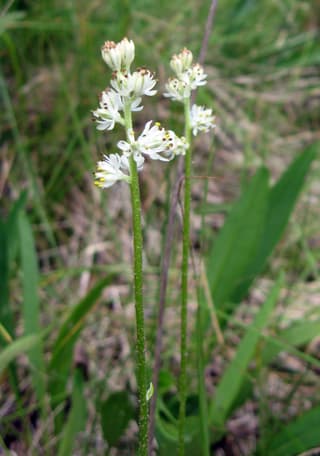
| Sticky false asphodel | Hard | Bright indirect | 1d | ✓ |
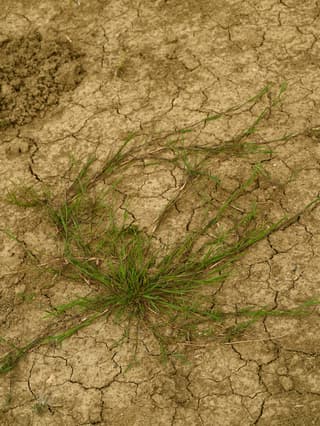
| Creeping bentgrass | Hard | Direct sun | 3d | ✓ |
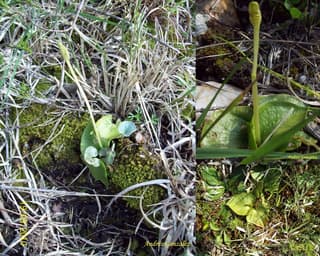
| Bulbous Adder's-tongue | Hard | Partial shade | 4d | ✓ |
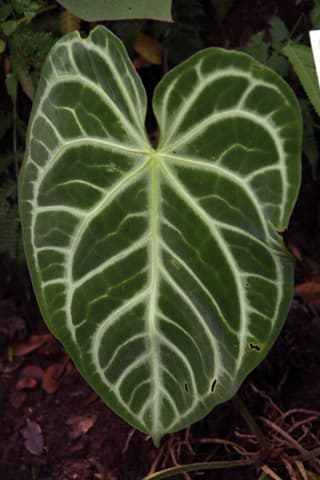
| Crystal Anthurium | Hard | Partial shade | 7d | ⚠️ |