Amaranthaceae
Globe Amaranth (Gomphrena globosa): How to Grow and Care
Gomphrena globosa
Globe Amaranth is a low-maintenance plant that thrives in full sun. Water every 3-4 days in summer and reduce in cooler months. Prefers well-draining soil and is very drought-tolerant once established. Nearly pest-free and perfect for beginner gardeners.
Every 4 days
Direct sun
10° - 38°C
30% - 60%
Categories
What is Globe Amaranth?
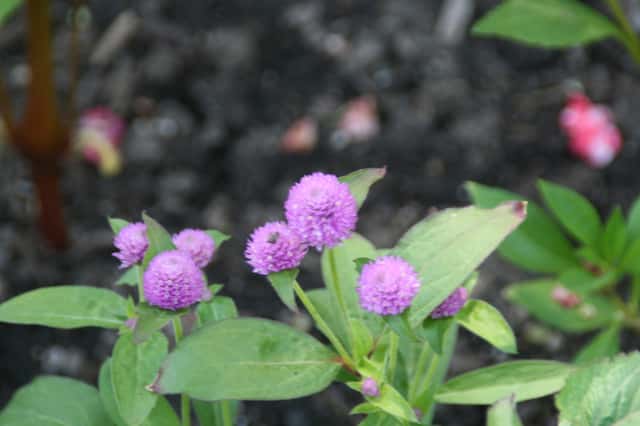
Globe Amaranth (Gomphrena globosa) is a easy-care plant from the Amaranthaceae family. Gomphrena globosa, commonly known as Globe Amaranth, is an annual flowering plant native to Central America, belonging to the Amaranthaceae family. It produces striking globe-shaped flower heads in shades of purple, pink, white, red, and orange that retain their color long after cutting. Highly tole...
Globe Amaranth grows up to 60cm, with spread of 30cm, watering every 4 days, 10°C – 38°C, 30–60% humidity. It is not suitable for indoor environments and safe for pets.
Unlike many tropical plants, Globe Amaranth tolerates watering mistakes. Best for beginners. Unlike many popular species, Globe Amaranth is safe to keep around pets.
How to Care for Globe Amaranth?
TLDR: Globe Amaranth needs Direct sun, watering every 4 days, and temperatures between 10-38°C with 30-60% humidity.
How Often Should You Water Globe Amaranth?
Water every 3 to 4 days during summer, allowing the soil to dry slightly between waterings. Reduce frequency to once a week in winter. Water at the base of the plant to keep foliage dry and prevent fungal issues.
How Much Light Does Globe Amaranth Need?
Requires full sun with at least 6 to 8 hours of direct sunlight per day. In partial shade, flowering is reduced and growth may become leggy and weak.
What Is the Best Soil for Globe Amaranth?
Prefers well-draining, light soil with pH between 5.8 and 6.5. Amend with coarse sand or perlite to improve drainage. Avoid heavy clay soils that retain excess moisture.
What Pot Should You Use for Globe Amaranth?
Terracotta or ceramic pots with good drainage holes for outdoor use. Avoid containers without drainage. For gardens, plant directly in raised beds or borders.
Care Schedule
Fertilize
Every 30 days
What Is Globe Amaranth and Where Does It Come From?
Gomphrena globosa, commonly known as Globe Amaranth, is an annual flowering plant native to Central America, belonging to the Amaranthaceae family. It produces striking globe-shaped flower heads in shades of purple, pink, white, red, and orange that retain their color long after cutting. Highly tolerant of heat and drought, it thrives in full sun and is an excellent choice for garden borders, containers, and dried flower arrangements.
How to Propagate Globe Amaranth?
Direct Seeding
Sow after last frost date. Germination is best at temperatures between 21°C and 25°C. Do not cover seeds too deeply as they need some light to germinate.
- 1 Sow seeds directly in the garden or in seed trays with light potting mix
- 2 Cover lightly with a thin layer of soil (about 0.5 cm)
- 3 Keep soil moist and place in a sunny location
- 4 Thin seedlings to 20-30 cm apart after germination
- 5 Transplant to final location when seedlings reach 5-7 cm tall
Materials needed:
How Big Does Globe Amaranth Grow?
TLDR: Globe Amaranth can reach up to 60cm tall with Medium growth rate.
Max height
60cm
Spread
30cm
Growth rate
Medium
Foliage
Deciduous
Plant Uses
Ornamental
Great for decoration
Medicinal
Medicinal properties
Medicinal Uses
- Flower tea used in folk medicine to treat cough, hoarseness, and respiratory issues
Is your plant showing symptoms?
Click on the symptom to discover possible causes:
What Diseases Commonly Affect Globe Amaranth?
TLDR: Globe Amaranth is susceptible to 8 known diseases. Monitor regularly for early detection.
Alternaria Leaf Spot
Alternaria leaf spot is a common fungal disease caused by Alternaria solani and Alternaria alternata that affects a wide range of plants including tomatoes, potatoes, brassicas, and ornamentals. The disease thrives in warm, humid conditions and can cause significant crop damage if left untreated. Spores overwinter on plant debris and can attach to seeds, making complete elimination difficult.
Root Rot
Root rot is a serious fungal disease that affects the root system of plants, causing them to decay and die. It is primarily caused by overwatering, poor drainage, or soil-borne fungi such as Pythium, Phytophthora, Rhizoctonia, and Fusarium. The disease thrives in waterlogged conditions where roots are deprived of oxygen, making them susceptible to fungal infection.
Gray Mold (Botrytis Blight)
Gray mold, caused by the fungus Botrytis cinerea, is one of the most common fungal diseases in plants. It affects over 200 plant species, including ornamentals, vegetables, fruits, and houseplants. The disease thrives in cool, humid conditions with poor air circulation, causing grayish spots and soft rot on infected tissues.
Powdery Mildew
Powdery mildew is a common fungal disease caused by various fungi species including Erysiphe, Podosphaera, Oïdium, and Leveillula. It affects over 10,000 plant species worldwide. The disease thrives in warm, dry climates with high humidity and appears as a distinctive white powdery coating on plant surfaces.
Meaning & Symbolism
Symbolizes immortality, everlasting love, and unfading affection. The long-lasting blooms that do not wilt represent enduring sentiments and undying devotion.
Fun Facts
Globe Amaranth flowers are so long-lasting that they are commonly used in dried flower arrangements where they retain color for years
The plant is remarkably heat and drought tolerant, thriving in conditions that would stress most garden flowers
It is native to Central America but is now grown worldwide as an ornamental and medicinal plant
The globe-shaped flowerheads are technically bracts, not petals, which is why they hold their shape and color so well when dried
Frequently asked questions
How often should I water Globe Amaranth?
Does Globe Amaranth need full sun?
Is Gomphrena globosa toxic to pets?
Why are my Globe Amaranth flowers wilting?
How do I dry Globe Amaranth flowers?
Compare with similar plants
| Attribute | Difficulty | Light | Watering | Pet Safe |
|---|---|---|---|---|
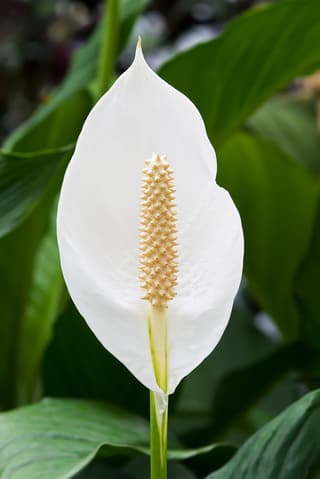
| Peace Lily | Easy | Low light | 4d | ⚠️ |
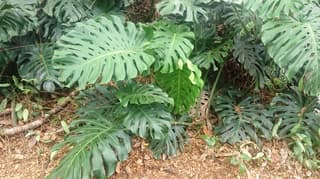
| Swiss Cheese Plant | Easy | Partial shade | 10d | ⚠️ |
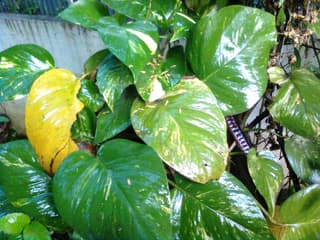
| Golden Pothos | Easy | Low light | 8d | ⚠️ |
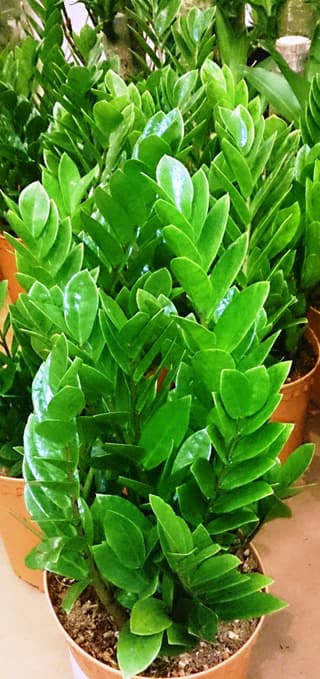
| ZZ Plant | Easy | Low light | 18d | ⚠️ |