Solanaceae
Wild Petunia (Petunia integrifolia): Complete Growing Guide
Petunia integrifolia
Easy to grow, ideal for outdoor gardens with good sun exposure. Needs moderate watering and well-draining soil. Blooms abundantly in spring, summer, and fall. Heat-tolerant but frost-sensitive.
Every 7 days
Direct sun
5° - 30°C
40% - 65%
Categories
What is Wild Petunia?
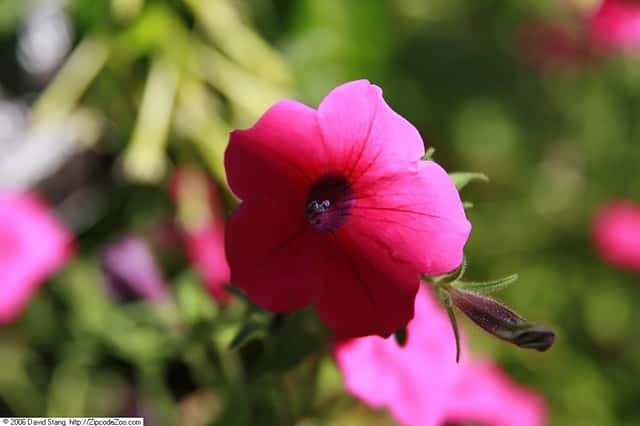
Wild Petunia (Petunia integrifolia) is a easy-care plant from the Solanaceae family. Petunia integrifolia, commonly known as Wild Petunia, is a species native to Argentina, Brazil, Paraguay, and Uruguay. Belonging to the Solanaceae family, it produces distinctive violet-purple flowers with entire petals, differentiating it from cultivated hybrids. It is a more compact and hardy plan...
Wild Petunia grows up to 45cm, with spread of 60cm, watering every 7 days, 5°C – 30°C, 40–65% humidity. It is not suitable for indoor environments and not safe for pets.
Unlike many tropical plants, Wild Petunia tolerates watering mistakes. Best for beginners. Without precautions, ingestion can cause irritation in pets. Keep out of reach of cats and dogs.
How to Care for Wild Petunia?
TLDR: Wild Petunia needs Direct sun, watering every 7 days, and temperatures between 5-30°C with 40-65% humidity.
How Often Should You Water Wild Petunia?
Water every 7 days, allowing the soil to dry slightly between waterings. Avoid waterlogging to prevent root rot. During very hot days, monitor soil moisture more frequently.
How Much Light Does Wild Petunia Need?
Place in full sun, receiving at least 6 hours of direct sunlight per day. Wild Petunia needs abundant light to bloom well. Avoid prolonged shade.
What Is the Best Soil for Wild Petunia?
Prefers well-draining soil rich in organic matter, with pH between 6.0 and 7.0. Add coarse sand or perlite to improve drainage. Avoid compacted clay soils.
What Pot Should You Use for Wild Petunia?
Terracotta or plastic pot with drainage holes. Outdoor beds and sunny balconies are ideal.
Care Schedule
Fertilize
Every 15 days
Rotate
Every 30 days
Repot
Every 365 days
What Is Wild Petunia and Where Does It Come From?
Petunia integrifolia, commonly known as Wild Petunia, is a species native to Argentina, Brazil, Paraguay, and Uruguay. Belonging to the Solanaceae family, it produces distinctive violet-purple flowers with entire petals, differentiating it from cultivated hybrids. It is a more compact and hardy plant than its hybrid relatives, well-adapted to the subtropical South American climate.
How to Propagate Wild Petunia?
Seed Propagation
Use fresh seeds for better germination rate. Keep substrate slightly moist during germination.
- 1 Sow seeds in trays with moist, well-draining substrate
- 2 Cover lightly with fine vermiculite
- 3 Keep in indirect light at 20-25°C (68-77°F)
- 4 Transplant seedlings when they reach 5-7 cm in height
Materials needed:
Stem Cutting
Keep the cutting in a shaded spot until rooted. Use sterilized scissors to prevent disease.
- 1 Cut a healthy stem 8-10 cm long, just below a node
- 2 Remove lower leaves, leaving only 2-3 at the top
- 3 Apply rooting hormone to the cut end
- 4 Plant in moist, well-draining substrate
Materials needed:
How Big Does Wild Petunia Grow?
TLDR: Wild Petunia can reach up to 45cm tall with Medium growth rate.
Max height
45cm
Spread
60cm
Growth rate
Medium
Foliage
Semi-evergreen
Warning: Toxic Plant
This plant can be toxic if ingested. Keep out of reach of:
Plant Uses
Ornamental
Great for decoration
Is your plant showing symptoms?
Click on the symptom to discover possible causes:
What Diseases Commonly Affect Wild Petunia?
TLDR: Wild Petunia is susceptible to 9 known diseases. Monitor regularly for early detection.
Root Rot
Root rot is a serious fungal disease that affects the root system of plants, causing them to decay and die. It is primarily caused by overwatering, poor drainage, or soil-borne fungi such as Pythium, Phytophthora, Rhizoctonia, and Fusarium. The disease thrives in waterlogged conditions where roots are deprived of oxygen, making them susceptible to fungal infection.
Powdery Mildew
Powdery mildew is a common fungal disease caused by various fungi species including Erysiphe, Podosphaera, Oïdium, and Leveillula. It affects over 10,000 plant species worldwide. The disease thrives in warm, dry climates with high humidity and appears as a distinctive white powdery coating on plant surfaces.
Gray Mold (Botrytis Blight)
Gray mold, caused by the fungus Botrytis cinerea, is one of the most common fungal diseases in plants. It affects over 200 plant species, including ornamentals, vegetables, fruits, and houseplants. The disease thrives in cool, humid conditions with poor air circulation, causing grayish spots and soft rot on infected tissues.
Verticillium Wilt
Verticillium wilt is a soil-borne fungal disease caused primarily by the fungi Verticillium dahliae and V. albo-atrum. These pathogens infect plant roots and grow within the vascular tissues, blocking water and nutrient transport, resulting in wilting and eventual plant death. The disease affects over 350 plant species including vegetables, fruits, ornamental flowers, and trees. The fungi can survive in soil for more than 10 years as resistant structures called microsclerotia.
Meaning & Symbolism
Symbol of joy, lightness, and ephemeral beauty. In South American folk culture, it represents sincere love and gratitude for the simple things in life.
Fun Facts
It is one of the parent species that gave rise to all hybrid petunias cultivated worldwide
Its flowers are pollinated mainly by bees attracted to the violet color
Native to southern South America, it grows spontaneously in open fields of Argentina and Brazil
Unlike hybrids, it produces viable seeds that faithfully reproduce the parent plant
Frequently asked questions
How often should I water Wild Petunia?
Is Wild Petunia toxic to pets?
How much sun does Wild Petunia need?
How do I get Wild Petunia to bloom more?
Can Wild Petunia be grown in pots?
Compare with similar plants
| Attribute | Difficulty | Light | Watering | Pet Safe |
|---|---|---|---|---|
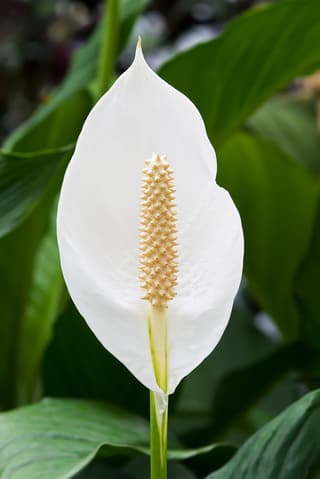
| Peace Lily | Easy | Low light | 4d | ⚠️ |
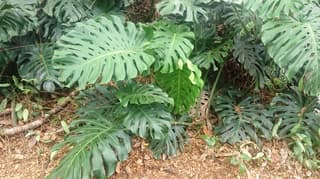
| Swiss Cheese Plant | Easy | Partial shade | 10d | ⚠️ |
| Golden Pothos | Easy | Low light | 8d | ⚠️ |
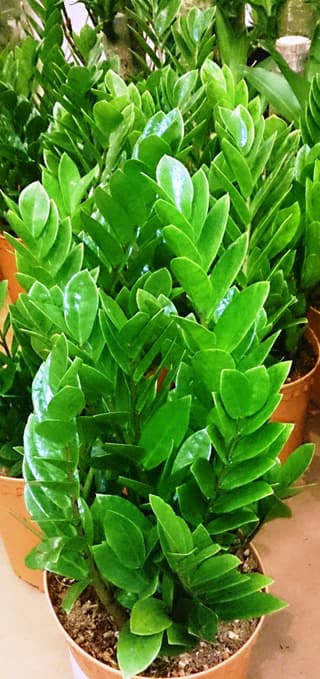
| ZZ Plant | Easy | Low light | 18d | ⚠️ |