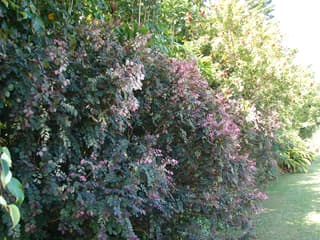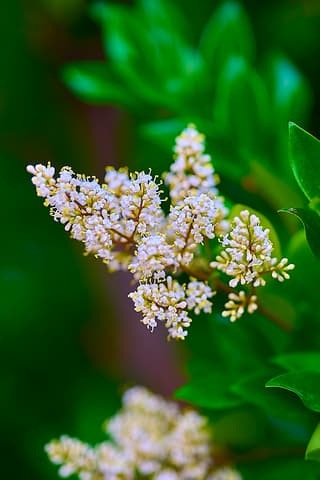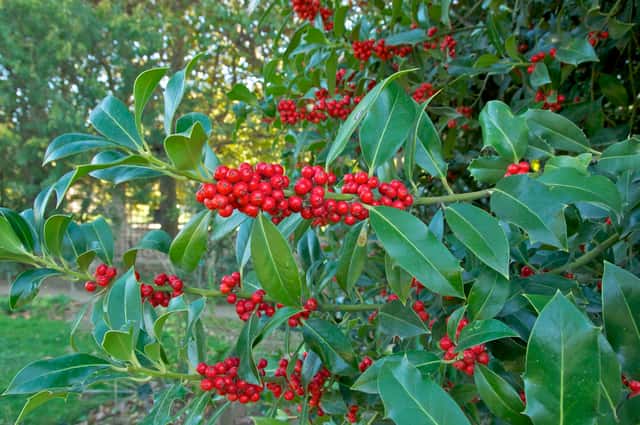
Aquifoliaceae
Holly (Ilex): Complete Plant Care Guide
Ilex
Plant in full sun to partial shade. Water moderately, keeping soil slightly moist after establishment. Prefers well-drained, slightly acidic soil. Prune in early spring to maintain desired shape. Hollies are generally low-maintenance once established.
Every 10 days
Bright indirect
-10° - 35°C
40% - 70%
Categories
What is Holly?
Holly (Ilex) is a easy-care plant from the Aquifoliaceae family. Holly (Ilex) is a large genus of over 400 species of flowering plants in the family Aquifoliaceae, found across temperate and tropical regions worldwide. Most commonly cultivated species are evergreen shrubs or trees with glossy, spine-edged leaves and bright red berries that have become synonymous...
Holly grows up to 15.0m, spread of 760cm, watering every 10 days, -10°C – 35°C, 40–70% humidity. It is not suitable for indoor environments and not safe for pets.
Unlike many tropical plants, Holly tolerates watering mistakes. Best for beginners. Without precautions, ingestion can cause irritation in pets. Keep out of reach of cats and dogs.
How to Care for Holly?
TLDR: Holly needs Bright indirect, watering every 10 days, and temperatures between -10-35°C with 40-70% humidity.
How Often Should You Water Holly?
Water every 7–14 days depending on season and climate. Holly is drought-tolerant once established; avoid waterlogged soil which causes root rot. Reduce watering frequency in winter months.
How Much Light Does Holly Need?
Prefers full sun (6+ hours of direct light) for best berry production and dense growth, but tolerates partial shade well. Avoid deep shade, which reduces fruiting and vigour.
What Is the Best Soil for Holly?
Use well-draining, slightly acidic soil (pH 5.5–6.5) rich in organic matter. Sandy loam or loamy soil amended with peat or ericaceous compost works best. Avoid heavy clay or waterlogged soils.
What Pot Should You Use for Holly?
Terracotta or ceramic pot with drainage holes for container growing. In-ground planting is preferred for long-term specimens.
Care Schedule
Fertilize
Every 14 days
Misting
Every 3 days
Rotate
Every 7 days
Repot
Every 365 days
What Is Holly and Where Does It Come From?
Holly (Ilex) is a large genus of over 400 species of flowering plants in the family Aquifoliaceae, found across temperate and tropical regions worldwide. Most commonly cultivated species are evergreen shrubs or trees with glossy, spine-edged leaves and bright red berries that have become synonymous with Christmas decorations. The genus is remarkably diverse, encompassing both ornamental garden shrubs and large specimen trees reaching 15 meters or more.
How Big Does Holly Grow?
TLDR: Holly can reach up to 15.0m tall with Slow growth rate.
Max height
15.0m
Spread
7.6m
Growth rate
Slow
Foliage
Evergreen
Warning: Toxic Plant
This plant can be toxic if ingested. Keep out of reach of:
Plant Uses
Ornamental
Great for decoration
Is your plant showing symptoms?
Click on the symptom to discover possible causes:
What Diseases Commonly Affect Holly?
TLDR: Holly is susceptible to 8 known diseases. Monitor regularly for early detection.
Leaf Spot
Leaf spot is a common fungal disease caused by various pathogens including Alternaria, Ascochyta, Colletotrichum, Septoria, and Venturia. It primarily affects leaves, causing discolored spots that can lead to premature leaf drop if left untreated.
Root Rot
Root rot is a serious fungal disease that affects the root system of plants, causing them to decay and die. It is primarily caused by overwatering, poor drainage, or soil-borne fungi such as Pythium, Phytophthora, Rhizoctonia, and Fusarium. The disease thrives in waterlogged conditions where roots are deprived of oxygen, making them susceptible to fungal infection.
Phytophthora Root Rot
Disease caused by fungus-like organisms (oomycetes) that live in soil and can survive for years. It affects roots, stem, and crown of plants, being especially severe in waterlogged or poorly drained soils. It is the second most common cause of root rot in trees and shrubs.
Leafminers
Leafminers are the larvae of various insects including flies, moths, sawflies, and beetles that tunnel between leaf surfaces, creating distinctive serpentine trails or blotchy patches. While primarily cosmetic, severe infestations can weaken plants by reducing photosynthesis capacity and making them susceptible to secondary infections.
Meaning & Symbolism
Holly has been a symbol of protection, eternal life, and good luck across many cultures. In Christian tradition it represents the crown of thorns and Christ's blood. For Celts and Norse peoples, it was sacred — used to ward off evil spirits during winter solstice festivities.
Fun Facts
The genus Ilex contains over 400 species found on every continent except Antarctica and Australasia.
Holly berries are a vital winter food source for birds such as thrushes and fieldfares, which in turn help disperse seeds across the landscape.
Holly has been used in winter celebrations since ancient Roman Saturnalia festivals, making it one of the oldest ornamental plants in Western culture.
Frequently asked questions
Is holly toxic to pets?
Does holly need a male and female plant to produce berries?
How fast does holly grow?
Compare with similar plants
| Attribute | Difficulty | Light | Watering | Pet Safe |
|---|---|---|---|---|
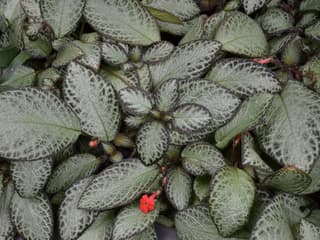
| Flame Violet | Easy | Partial shade | 7d | ✓ |
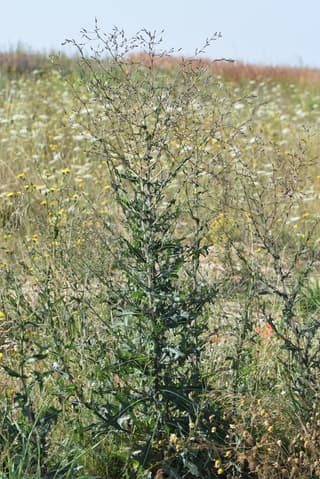
| Prickly Lettuce | Easy | Direct sun | 7d | ✓ |
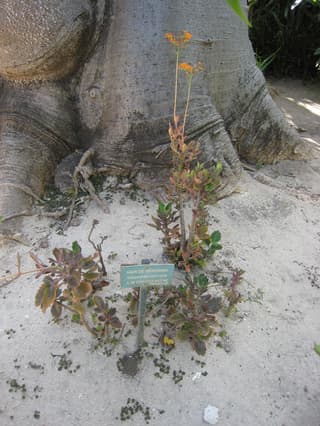
| Christmas Tree Plant | Easy | Bright indirect | 10d | ⚠️ |
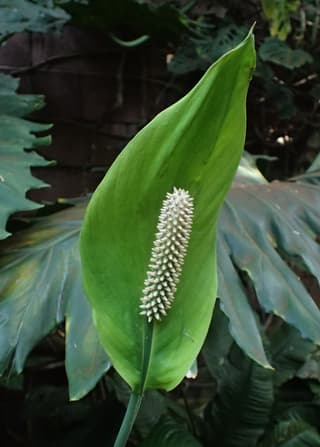
| Peace Lily | Easy | Low light | 7d | ⚠️ |