Cactaceae
Caatinga Blue Pilosocereus (Pilosocereus catingicola)
Pilosocereus catingicola
Extremely drought-tolerant. Requires full direct sun, very infrequent watering, and fast-draining sandy soil. Not suitable for low-light indoor environments. Thrives outdoors in tropical and subtropical climates.
Every 12 days
Direct sun
10° - 40°C
20% - 50%
Categories
What is Caatinga Blue Pilosocereus?
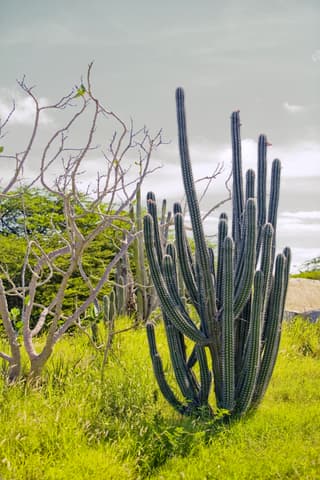
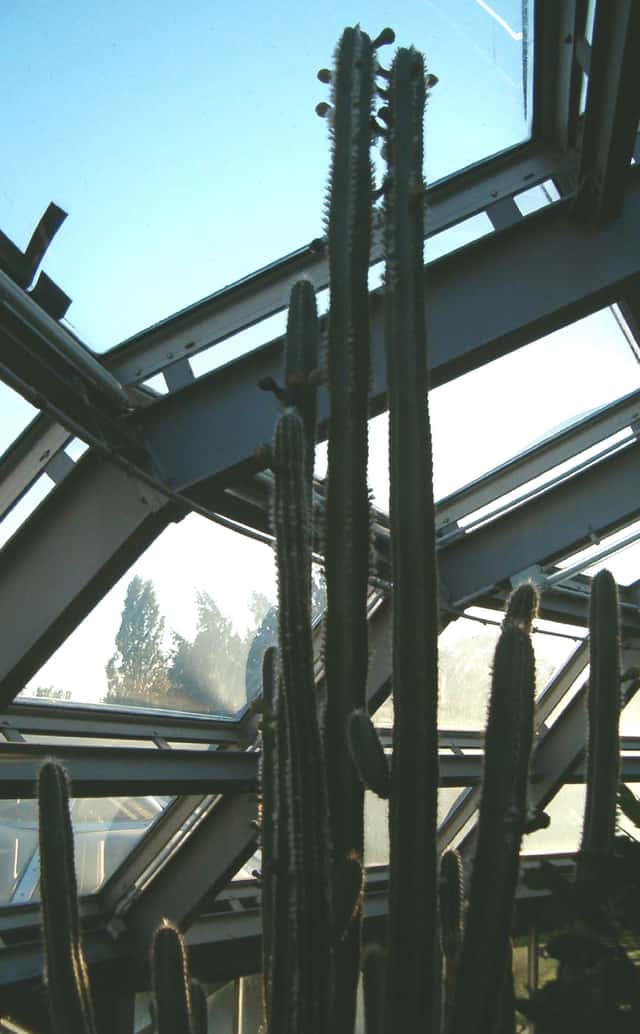
Caatinga Blue Pilosocereus (Pilosocereus catingicola) is a hard-care plant from the Cactaceae family. Pilosocereus catingicola is a columnar cactus endemic to the semi-arid Caatinga biome of northeastern Brazil. Known for its striking blue-green stems and nocturnal white to pink flowers, it can reach up to 10 meters tall in the wild. It is one of the most iconic cacti of the Brazilian Caatinga, high...
Caatinga Blue Pilosocereus grows up to 10.0m, spread of 120cm, watering every 12 days, 10°C – 40°C, 20–50% humidity. It is not suitable for indoor environments and safe for pets.
Unlike easy-care plants, Caatinga Blue Pilosocereus demands constant attention to humidity and light. Not recommended for beginners. Unlike many popular species, Caatinga Blue Pilosocereus is safe to keep around pets.
How to Care for Caatinga Blue Pilosocereus?
TLDR: Caatinga Blue Pilosocereus needs Direct sun, watering every 12 days, and temperatures between 10-40°C with 20-50% humidity.
How Often Should You Water Caatinga Blue Pilosocereus?
Water every 12 days during warm months; reduce to once per month in winter. Always allow the substrate to dry completely before watering. Never allow water to pool at the base — root rot is the primary threat to this species.
How Much Light Does Caatinga Blue Pilosocereus Need?
Needs full direct sunlight — at least 6 hours per day. Best grown outdoors. If kept indoors, place in the brightest south- or east-facing window available.
What Is the Best Soil for Caatinga Blue Pilosocereus?
Use cactus mix amended with 30–40% perlite or coarse sand. Target pH 5.5–7.0. Always use pots with drainage holes.
What Pot Should You Use for Caatinga Blue Pilosocereus?
Terracotta or unglazed ceramic pots allow the substrate to breathe and dry out faster. Avoid plastic pots that retain moisture. Shallow, wide pots work better than deep ones.
Care Schedule
Fertilize
Every 180 days
What Is Caatinga Blue Pilosocereus and Where Does It Come From?
Pilosocereus catingicola is a columnar cactus endemic to the semi-arid Caatinga biome of northeastern Brazil. Known for its striking blue-green stems and nocturnal white to pink flowers, it can reach up to 10 meters tall in the wild. It is one of the most iconic cacti of the Brazilian Caatinga, highly adapted to drought and intense sun.
How to Propagate Caatinga Blue Pilosocereus?
Seed Propagation
Germination is best at 25–30°C. Do not bury seeds under heavy substrate.
- 1 Collect ripe seeds from mature fruits
- 2 Rinse and dry seeds for 24 hours
- 3 Sow on surface of sandy-gritty substrate
- 4 Keep warm with indirect light
- 5 Germination occurs in 2–4 weeks
Materials needed:
Stem Cutting
Do not water immediately after planting — wait for callusing to prevent rot.
- 1 Cut a healthy stem section with a sterilized blade
- 2 Allow the cut end to callous for 3–7 days in a dry, airy spot
- 3 Plant in dry sandy substrate
- 4 Wait at least 2 weeks before first watering
Materials needed:
How Big Does Caatinga Blue Pilosocereus Grow?
TLDR: Caatinga Blue Pilosocereus can reach up to 10.0m tall with Slow growth rate.
Max height
10.0m
Spread
1.2m
Growth rate
Slow
Foliage
Evergreen
Plant Uses
Ornamental
Great for decoration
Is your plant showing symptoms?
Click on the symptom to discover possible causes:
What Diseases Commonly Affect Caatinga Blue Pilosocereus?
TLDR: Caatinga Blue Pilosocereus is susceptible to 7 known diseases. Monitor regularly for early detection.
Root Rot
Root rot is a serious fungal disease that affects the root system of plants, causing them to decay and die. It is primarily caused by overwatering, poor drainage, or soil-borne fungi such as Pythium, Phytophthora, Rhizoctonia, and Fusarium. The disease thrives in waterlogged conditions where roots are deprived of oxygen, making them susceptible to fungal infection.
Overwatering
Overwatering occurs when plants receive too much water, depriving roots of oxygen and causing root rot. This environmental stress is one of the most common causes of houseplant death, as waterlogged soil prevents roots from breathing and functioning properly.
Mealybugs
Mealybugs are small, soft-bodied insects covered with a white, waxy, cottony material. They are common pests of houseplants and outdoor plants in mild climates. These sap-sucking insects feed on plant tissue, causing damage, stunted growth, and can lead to plant death if left untreated. They produce sticky honeydew which attracts sooty mold.
Scale Insects
Scale insects are small sap-sucking pests that appear as brown, shell-like bumps on plant stems and leaves. There are over 25 species, divided into armored (hard) and unarmored (soft) scales. They feed by piercing plant tissue and extracting sap, which weakens the plant and can lead to yellowing, stunted growth, and even death if left untreated. They also excrete honeydew, which attracts ants and promotes sooty mold growth.
Meaning & Symbolism
In Brazilian Northeastern culture, this cactus is a symbol of resilience and the indomitable spirit of the sertão (semi-arid interior). It appears in regional music, literature, and folk art as an emblem of life persisting against harsh conditions.
Fun Facts
Can reach up to 10 meters tall in the wild, making it one of the tallest cacti of the Brazilian Caatinga
Its flowers open at night and are primarily pollinated by bats
It is endemic to northeastern Brazil, occurring in the states of Pernambuco, Bahia, Ceará, Paraíba, Rio Grande do Norte, Alagoas, and Sergipe
Its fruits are an important food source for birds and mammals in the Caatinga ecosystem
Frequently asked questions
How often should I water Pilosocereus catingicola?
Can this cactus be grown indoors?
What light does Caatinga Blue Pilosocereus need?
Is Pilosocereus catingicola toxic to pets?
When does it bloom?
Compare with similar plants
| Attribute | Difficulty | Light | Watering | Pet Safe |
|---|---|---|---|---|
| Chilean Cacti | Easy | Direct sun | 14d | ✓ |
| Creeping bentgrass | Hard | Direct sun | 3d | ✓ |
| Mexican Organ Pipe Cactus | Medium | Direct sun | 21d | ✓ |
| Thimble Cactus | Easy | Direct sun | 14d | ✓ |