Sclerodermataceae
Dyeball: Full Sun Plant
Pisolithus tinctorius
As a symbiotic fungus, it is not cultivated traditionally; it requires the presence of a host tree and well-drained, preferably sandy and acidic soils.
Every 7-10 days
Direct sun
-5° - 45°C
30% - 80%
Categories
What is Dyeball?
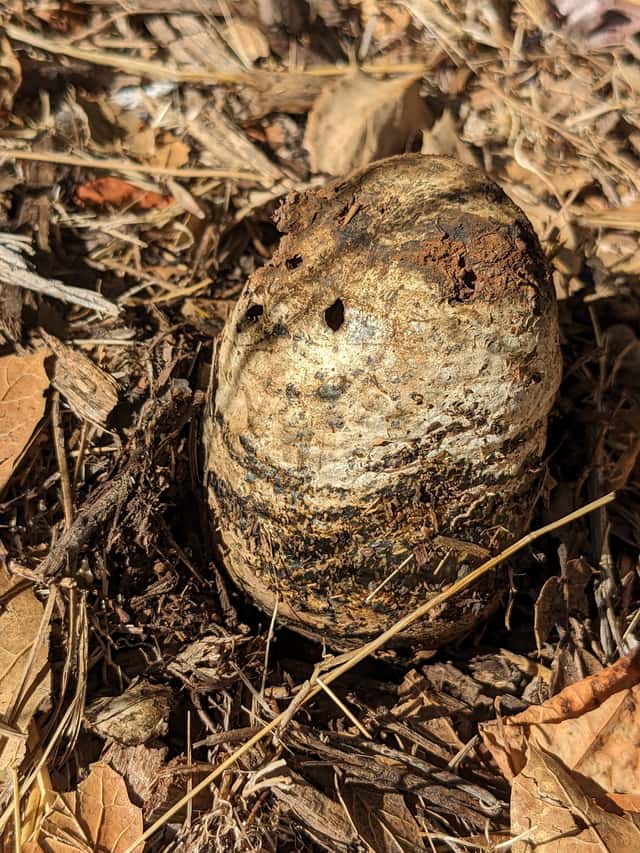
Dyeball (Pisolithus tinctorius) is a easy-care plant from the Sclerodermataceae family. Pisolithus tinctorius is a fascinating ectomycorrhizal fungus, commonly known as the Dyeball or Dead Man's Foot. It is not a plant, but a fungus that forms a vital symbiotic relationship with the roots of trees such as pines and oaks. Its fruiting body has a globose, earthy appearance, similar to a...
Dyeball grows up to 25cm, spread of 20cm, -5°C – 45°C, 30–80% humidity. It is not suitable for indoor environments and safe for pets.
Unlike many tropical plants, Dyeball tolerates watering mistakes. Best for beginners. Unlike many popular species, Dyeball is safe to keep around pets.
How to Care for Dyeball?
TLDR: Dyeball needs Direct sun, watering every 7 days, and temperatures between -5-45°C with 30-80% humidity.
How Often Should You Water Dyeball?
Moisture should be moderate; the fungus depends on the hydration of the soil surrounding the roots of its associated tree.
How Much Light Does Dyeball Need?
It does not require light for photosynthesis, but it usually fruits in areas with filtered light or partial shade under the tree canopy.
What Is the Best Soil for Dyeball?
It prefers extremely poor, sandy soils with an acidic pH, where other organisms struggle to survive.
What Pot Should You Use for Dyeball?
Not suitable for pots; it must be in direct soil associated with the roots of a compatible tree.
What Is Dyeball and Where Does It Come From?
Pisolithus tinctorius is a fascinating ectomycorrhizal fungus, commonly known as the Dyeball or Dead Man's Foot. It is not a plant, but a fungus that forms a vital symbiotic relationship with the roots of trees such as pines and oaks. Its fruiting body has a globose, earthy appearance, similar to a stone or animal waste, which matures into a mass of dark brown spores. It is highly valued in forestry for its ability to help trees colonize poor, acidic, or mining-degraded soils.
How to Propagate Dyeball?
Spore inoculation
- Ensure the host tree is a pine, eucalyptus, or oak.
- Avoid using fungicides in the application area.
- Constant moisture after application favors spore germination.
- 1 Spore collection
Collect the mature fruiting body when it is dry and crumbles into a fine brown powder.
- 2 Inoculum preparation
Mix the spores with water or apply them directly as a powder onto the root system of compatible tree seedlings.
- 3 Soil application
Lightly bury the spore mixture near the fine roots of the host tree in acidic, sandy soil.
Materials needed:
How Big Does Dyeball Grow?
TLDR: Dyeball can reach up to 25cm tall with Medium growth rate.
Max height
25cm
Spread
20cm
Growth rate
Medium
Plant Uses
Medicinal
Medicinal properties
Ornamental
Great for decoration
Medicinal Uses
- Natural dye production
- Research into antimicrobial compounds
- Forest biofertilizer
Is your plant showing symptoms?
Click on the symptom to discover possible causes:
Meaning & Symbolism
Represents symbiosis, resilience, and the ability to generate life in sterile or contaminated environments.
Compare with similar plants
| Attribute | Difficulty | Light | Watering | Pet Safe |
|---|---|---|---|---|
| Field Maple | Easy | Bright indirect | 14d | ✓ |
| Silver Birch | Easy | Direct sun | 14d | ✓ |
| Cushion Bush | Easy | Direct sun | 14d | ✓ |
| Peruvian peppertree | Easy | Direct sun | 14d | ⚠️ |





