Asparagaceae
Caribbean Agave (Agave angustifolia): How to Grow and Care
Agave angustifolia
An extremely tough, low-maintenance plant. Requires full sun, excellent drainage, and very infrequent watering. Perfect for dry gardens, xeriscaping, sunny patios, and container growing. The number one killer is overwatering — always let the soil dry completely between waterings.
Every 21 days
Direct sun
-6° - 40°C
20% - 50%
Categories
What is Caribbean Agave?
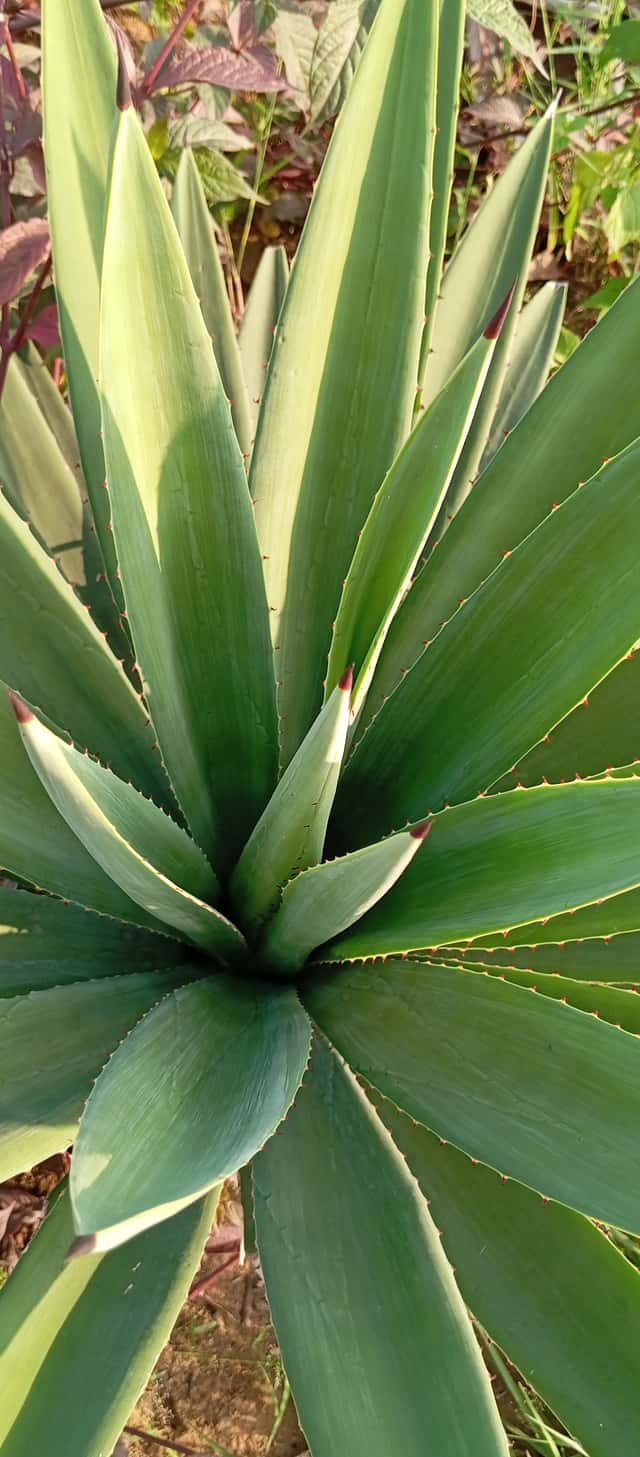
Caribbean Agave (Agave angustifolia) is a easy-care plant from the Asparagaceae family. Caribbean Agave (Agave angustifolia) is a perennial succulent in the Asparagaceae family, native to Mexico and Central America. It forms dramatic rosettes of long, rigid, sword-shaped leaves in greyish-green to bluish-grey tones, with serrated margins and sharp terminal spines. A monocarpic plant, i...
Caribbean Agave grows up to 1.2m, with spread of 150cm, watering every 21 days, -6°C – 40°C, 20–50% humidity. It is suitable for indoor environments and not safe for pets.
Unlike many tropical plants, Caribbean Agave tolerates watering mistakes. Best for beginners. Without precautions, ingestion can cause irritation in pets. Keep out of reach of cats and dogs. Without adequate drainage, root rot can develop within 42 days.
How to Care for Caribbean Agave?
TLDR: Caribbean Agave needs Direct sun, watering every 21 days, and temperatures between -6-40°C with 20-50% humidity.
How Often Should You Water Caribbean Agave?
As a desert succulent, Caribbean Agave needs very infrequent watering. Allow the soil to dry out completely between waterings — roughly every 3 weeks in summer, once a month in winter. Never allow water to pool at the base or sit in saucers. Overwatering causes root rot, the leading cause of death.
How Much Light Does Caribbean Agave Need?
Requires full sun for best growth — at least 6 hours of direct sunlight daily. Tolerates partial shade but will grow more slowly and less vigorously. Indoors, place as close as possible to a south- or west-facing window for maximum light.
What Is the Best Soil for Caribbean Agave?
Prefers sandy or well-draining soil with pH between 6.0 and 7.5. Mix coarse sand or perlite into the substrate for proper drainage. Avoid clay or moisture-retaining soils. In pots, use cactus and succulent potting mix.
What Pot Should You Use for Caribbean Agave?
Terracotta or unglazed ceramic pot with large drainage holes. The porous material promotes evaporation of excess moisture and protects roots from rot.
Care Schedule
Fertilize
Every 365 days
Rotate
Every 90 days
Repot
Every 730 days
What Is Caribbean Agave and Where Does It Come From?
Caribbean Agave (Agave angustifolia) is a perennial succulent in the Asparagaceae family, native to Mexico and Central America. It forms dramatic rosettes of long, rigid, sword-shaped leaves in greyish-green to bluish-grey tones, with serrated margins and sharp terminal spines. A monocarpic plant, it blooms only once in its lifetime — after 10 to 30 years — producing a towering flower spike up to 16 ft (5 m) tall with greenish-yellow flowers, then dies. It leaves behind offsets (pups) that continue the colony. Prized both as an ornamental landscape specimen and historically for mezcal and textile fiber production.
How to Propagate Caribbean Agave?
Pup Division
- 1 Wait for offsets (pups) to reach 15-20 cm in height
- 2 Wearing thick gloves, separate pups with a sharp, sterilized knife
- 3 Allow the cut end to callous for 2-3 days in a dry, shaded spot
- 4 Plant in well-draining cactus mix and wait 2 weeks before first watering
- 5 Place in full sun
Materials needed:
Seeds
- 1 Collect seeds after flowering
- 2 Sow in moist sandy substrate
- 3 Keep in warm (25-30°C) sunny location
- 4 Germination occurs in 2-4 weeks
- 5 Transplant when seedlings reach 5 cm
Materials needed:
How Big Does Caribbean Agave Grow?
TLDR: Caribbean Agave can reach up to 1.2m tall with Slow growth rate.
Max height
1.2m
Spread
1.5m
Growth rate
Slow
Foliage
Evergreen
Warning: Toxic Plant
This plant can be toxic if ingested. Keep out of reach of:
Plant Uses
Ornamental
Great for decoration
Edible
Can be consumed
Medicinal
Medicinal properties
Medicinal Uses
- Wound healing (topical use of sap in folk medicine)
- Anti-inflammatory properties attributed to leaf extract
- Historical use as a natural antiseptic in indigenous communities
Culinary Uses
- Mezcal and tequila production (from the roasted heart of the plant)
- Edible flowers — can be consumed grilled or in soups
- Fermented sap used in the traditional drink pulque
Is your plant showing symptoms?
Click on the symptom to discover possible causes:
What Diseases Commonly Affect Caribbean Agave?
TLDR: Caribbean Agave is susceptible to 12 known diseases. Monitor regularly for early detection.
Overwatering
Overwatering occurs when plants receive too much water, depriving roots of oxygen and causing root rot. This environmental stress is one of the most common causes of houseplant death, as waterlogged soil prevents roots from breathing and functioning properly.
Root Rot
Root rot is a serious fungal disease that affects the root system of plants, causing them to decay and die. It is primarily caused by overwatering, poor drainage, or soil-borne fungi such as Pythium, Phytophthora, Rhizoctonia, and Fusarium. The disease thrives in waterlogged conditions where roots are deprived of oxygen, making them susceptible to fungal infection.
Crown Rot
Crown rot is a serious fungal disease that attacks the crown (base) of the plant where the stem meets the soil. It is caused by various fungal pathogens including Phytophthora, Fusarium, and Rhizoctonia. The disease thrives in waterlogged conditions and can quickly spread to kill the entire plant if not addressed promptly.
Anthracnose
Anthracnose is a fungal disease caused by fungi in the genus Colletotrichum that affects many plants, including vegetables, fruits, and trees. The disease thrives in cool, wet conditions, causing dark, sunken lesions on leaves, stems, flowers, and fruits.
Meaning & Symbolism
Symbol of strength, resilience, and longevity. In Mesoamerican cultures, agave was considered a sacred plant associated with abundance and desert survival. It also represents patience — waiting decades to bloom just once in a single magnificent event.
Fun Facts
Agave angustifolia is monocarpic: it blooms only once in its entire lifetime, which can span decades.
The word "agave" comes from Greek and means "noble" or "admirable".
Artisanal mezcal is produced from the roasted hearts of agaves, including Agave angustifolia.
During a single flowering event, the flower spike can grow up to 10 inches (25 cm) per day.
The lateral offsets (pups) allow the species to continue even after the mother plant dies.
Frequently asked questions
How often should I water Caribbean Agave?
Is Caribbean Agave toxic?
Can I grow Caribbean Agave in a pot?
How long does it take for Caribbean Agave to bloom?
Does Caribbean Agave survive frost?
Compare with similar plants
| Attribute | Difficulty | Light | Watering | Pet Safe |
|---|---|---|---|---|
| Peace Lily | Easy | Low light | 4d | ⚠️ |
| Swiss Cheese Plant | Easy | Partial shade | 10d | ⚠️ |
| Golden Pothos | Easy | Low light | 8d | ⚠️ |
| ZZ Plant | Easy | Low light | 18d | ⚠️ |





