Asteraceae
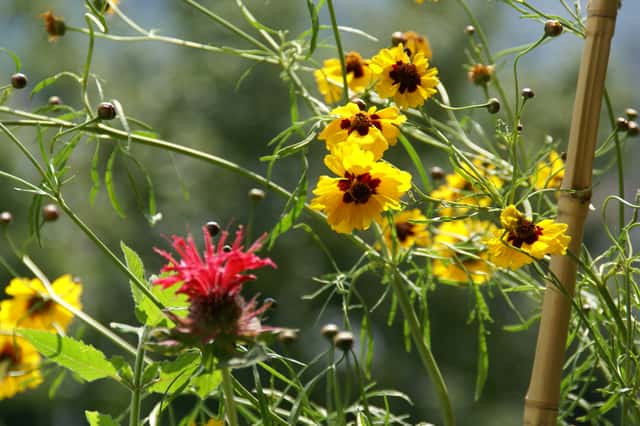
Plains Coreopsis (Coreopsis tinctoria)
Coreopsis tinctoria
Plains Coreopsis is an easy-care annual that thrives in full sun and well-drained soil. It is highly drought-tolerant once established, requiring watering only once a week or during prolonged dry spells. No fertilizer is needed — lean soil actually encourages more blooms. Deadheading spent flowers extends the blooming season.
Every 7 days
Direct sun
-18° - 38°C
30% - 60%
Categories
What is Plains Coreopsis?
Plains Coreopsis (Coreopsis tinctoria) is a easy-care plant from the Asteraceae family. Plains Coreopsis (Coreopsis tinctoria) is a cheerful annual wildflower native to North America, producing masses of bright daisy-like flowers in yellow, red, burgundy, and gold from spring through fall. A staple of prairie meadows, it thrives in full sun with minimal care, making it a favorite for w...
Plains Coreopsis grows up to 1.2m, with spread of 45cm, watering every 7 days, -18°C – 38°C, 30–60% humidity. It is not suitable for indoor environments and safe for pets.
Unlike many tropical plants, Plains Coreopsis tolerates watering mistakes. Best for beginners. Unlike many popular species, Plains Coreopsis is safe to keep around pets.
How to Care for Plains Coreopsis?
TLDR: Plains Coreopsis needs Direct sun, watering every 7 days, and temperatures between -18-38°C with 30-60% humidity.
How Often Should You Water Plains Coreopsis?
Water deeply once a week during the growing season. Once established, Plains Coreopsis is drought-tolerant and only needs watering during extended dry periods. Avoid overwatering and waterlogged soil, which can cause root rot.
How Much Light Does Plains Coreopsis Need?
Plant in a location with at least 6-8 hours of direct sunlight per day. Full sun is essential for abundant flowering. In hot climates, light afternoon shade can prevent heat stress without significantly reducing blooms.
What Is the Best Soil for Plains Coreopsis?
Use well-draining sandy or loamy soil. Plains Coreopsis tolerates poor, rocky, and dry soils — it actually blooms more in lean conditions. Avoid heavy clay soil or areas with poor drainage, as wet roots lead to crown rot.
What Pot Should You Use for Plains Coreopsis?
Terracotta or ceramic pot with excellent drainage holes. Since Plains Coreopsis is primarily an outdoor plant, containers should be large enough to accommodate root growth and placed in full sun.
What Is Plains Coreopsis and Where Does It Come From?
Plains Coreopsis (Coreopsis tinctoria) is a cheerful annual wildflower native to North America, producing masses of bright daisy-like flowers in yellow, red, burgundy, and gold from spring through fall. A staple of prairie meadows, it thrives in full sun with minimal care, making it a favorite for wildflower gardens and pollinator habitats.
How to Propagate Plains Coreopsis?
Seed Propagation
Surface sow seeds and press lightly — do not bury them. Plants will self-seed prolifically if allowed to go to seed, naturalizing beautifully in wildflower gardens.
- 1 Scatter seeds directly on the soil surface in a sunny location in early spring
- 2 Press seeds lightly into the soil but do not cover — they need light to germinate
- 3 Keep soil moist until germination occurs in 10-14 days
- 4 Thin seedlings to 6-12 inches apart once established
- 5 Deadhead spent flowers to encourage more blooms or allow self-seeding for next year
Materials needed:
Division
Division is best done in early spring before active growth begins. Keep divisions well-watered for the first few weeks until established.
- 1 Dig up established clumps in early spring
- 2 Gently separate the root mass into smaller sections
- 3 Replant divisions at the same depth in a sunny, well-drained location
- 4 Water thoroughly after planting
Materials needed:
How Big Does Plains Coreopsis Grow?
TLDR: Plains Coreopsis can reach up to 1.2m tall with Fast growth rate.
Max height
1.2m
Spread
45cm
Growth rate
Fast
Foliage
Deciduous
Plant Uses
Ornamental
Great for decoration
Medicinal
Medicinal properties
Medicinal Uses
- Root tea traditionally used for diarrhea treatment
- Flower tea used for blood strengthening in Native American medicine
Is your plant showing symptoms?
Click on the symptom to discover possible causes:
What Diseases Commonly Affect Plains Coreopsis?
TLDR: Plains Coreopsis is susceptible to 7 known diseases. Monitor regularly for early detection.
Powdery Mildew
Powdery mildew is a common fungal disease caused by various fungi species including Erysiphe, Podosphaera, Oïdium, and Leveillula. It affects over 10,000 plant species worldwide. The disease thrives in warm, dry climates with high humidity and appears as a distinctive white powdery coating on plant surfaces.
Downy Mildew
Downy mildew is a fungal-like disease caused by oomycetes (water molds) that thrives in cool, wet conditions. It affects a wide range of plants, causing yellowing leaves with fuzzy white-gray growth underneath, leading to defoliation and reduced yields if left untreated.
Leaf Spot
Leaf spot is a common fungal disease caused by various pathogens including Alternaria, Ascochyta, Colletotrichum, Septoria, and Venturia. It primarily affects leaves, causing discolored spots that can lead to premature leaf drop if left untreated.
Root Rot
Root rot is a serious fungal disease that affects the root system of plants, causing them to decay and die. It is primarily caused by overwatering, poor drainage, or soil-borne fungi such as Pythium, Phytophthora, Rhizoctonia, and Fusarium. The disease thrives in waterlogged conditions where roots are deprived of oxygen, making them susceptible to fungal infection.
Meaning & Symbolism
Plains Coreopsis symbolizes cheerfulness, joy, and resilience. It represents the beauty and tenacity of the North American prairie wildflower landscape.
Fun Facts
Plains Coreopsis can bloom from late spring until the first frost, providing months of color
It was traditionally used by Native Americans to make yellow and red dyes
Coreopsis tinctoria is a prolific self-seeder — one planting can naturalize a meadow for years
The flowers attract a wide variety of pollinators including bees, butterflies, and goldfinches
Frequently asked questions
How often should I water Plains Coreopsis?
Does Plains Coreopsis need fertilizer?
Is Plains Coreopsis toxic to pets?
How do I get Plains Coreopsis to bloom longer?
Can Plains Coreopsis grow in poor soil?
Compare with similar plants
| Attribute | Difficulty | Light | Watering | Pet Safe |
|---|---|---|---|---|
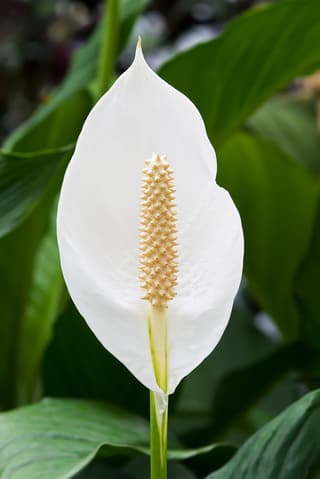
| Peace Lily | Easy | Low light | 4d | ⚠️ |
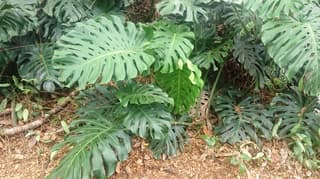
| Swiss Cheese Plant | Easy | Partial shade | 10d | ⚠️ |
| Golden Pothos | Easy | Low light | 8d | ⚠️ |
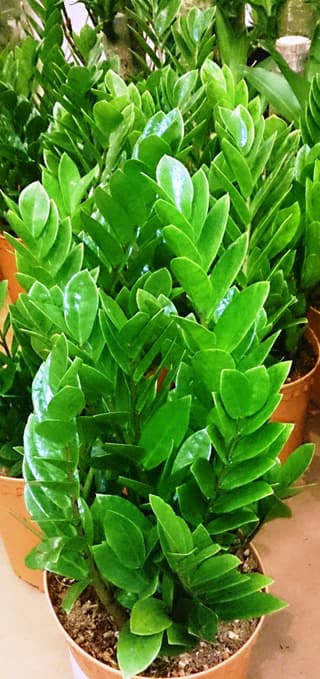
| ZZ Plant | Easy | Low light | 18d | ⚠️ |