Asteraceae
Curry Plant: Aromatic Plant
Helichrysum italicum
Curry Plant is a low-maintenance, drought-tolerant plant that thrives in full sun with well-draining, sandy or gravelly soil. Water sparingly — only when the soil is completely dry — and fertilize once a year in early spring. Avoid overwatering and humid conditions to prevent root rot and powdery mildew. Prune lightly after flowering to maintain a compact shape.
Every 14 days
Direct sun
0° - 35°C
30% - 60%
Categories
What is Curry Plant?
Curry Plant (Helichrysum italicum) is a easy-care plant from the Asteraceae family. Helichrysum italicum, commonly known as the Curry Plant, is a drought-tolerant, aromatic evergreen subshrub native to the Mediterranean region. Its silvery-grey needle-like leaves release a distinctive curry-like fragrance when touched, though it is not related to the culinary spice. In summer, clus...
Curry Plant grows up to 60cm, spread of 91cm, watering every 14 days, 0°C – 35°C, 30–60% humidity. It is suitable for indoor environments and safe for pets.
Unlike many tropical plants, Curry Plant tolerates watering mistakes. Best for beginners. Unlike many popular species, Curry Plant is safe to keep around pets. Without adequate drainage, root rot can develop within 28 days.
How to Care for Curry Plant?
TLDR: Curry Plant needs Direct sun, watering every 14 days, and temperatures between 0-35°C with 30-60% humidity.
How Often Should You Water Curry Plant?
Water deeply but infrequently, only when the top 2–3 cm of soil is completely dry. This plant is highly drought-tolerant; overwatering is the most common mistake and leads to root rot. In winter, reduce watering to a minimum.
How Much Light Does Curry Plant Need?
Provide at least 6–8 hours of direct sunlight daily. A south or west-facing position is ideal. Insufficient light leads to leggy growth and reduced fragrance. Indoors, place near the brightest window available.
What Is the Best Soil for Curry Plant?
Plant in poor to moderately fertile, very well-draining soil. Sandy or gravelly mixes are ideal. Avoid heavy clay or moisture-retaining substrates. Prefers a neutral to slightly alkaline pH (6.0–7.5). Adding perlite or coarse sand to potting mix greatly improves drainage.
What Pot Should You Use for Curry Plant?
Use terracotta or unglazed clay pots, which allow excess moisture to evaporate quickly. Ensure the pot has a drainage hole. Shallow, wide pots suit its spreading, low-growing nature. Avoid plastic or glazed ceramic pots that retain moisture.
Care Schedule
Fertilize
Every 365 days
Repot
Every 730 days
What Is Curry Plant and Where Does It Come From?
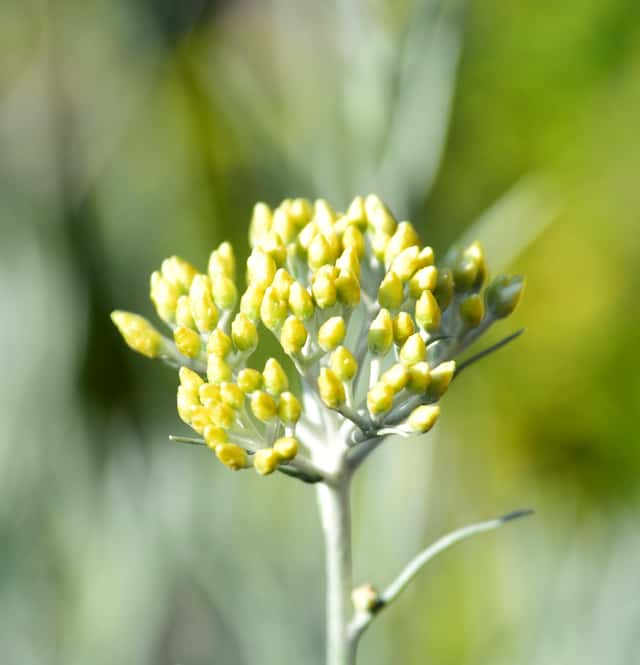
Helichrysum italicum, commonly known as the Curry Plant, is a drought-tolerant, aromatic evergreen subshrub native to the Mediterranean region. Its silvery-grey needle-like leaves release a distinctive curry-like fragrance when touched, though it is not related to the culinary spice. In summer, clusters of small, bright yellow button-like flowers bloom, making it a favourite in herb gardens, rock gardens, and dried flower arrangements. It is also highly valued in traditional herbal medicine for its anti-inflammatory and regenerative properties.
How Big Does Curry Plant Grow?
TLDR: Curry Plant can reach up to 60cm tall with Slow growth rate.
Max height
60cm
Spread
91cm
Growth rate
Slow
Foliage
Evergreen
Plant Uses
Ornamental
Great for decoration
Medicinal
Medicinal properties
Aromatic
Pleasant fragrance
Medicinal Uses
- Anti-inflammatory: used in herbal preparations to reduce inflammation and swelling
- Wound healing: traditionally applied to burns, cuts, and bruises
- Respiratory support: herbal teas made from flowers and leaves to relieve coughs and colds
- Antimicrobial: essential oil used as a natural antiseptic and antibacterial agent
- Skin regeneration: widely used in cosmetics and aromatherapy for skin repair and anti-ageing
- Internal bleeding: historically used in folk medicine to treat internal bleeding and fever
Culinary Uses
- Aromatic foliage used to subtly flavour rice, roasted vegetables, fish, and chicken dishes
- Fresh leaves added to soups and stews for a mild curry-like aroma (removed before serving)
- Essential oil used in the food industry for flavouring soft drinks, baked goods, ice cream, and confectionery
- Dried flower heads used decoratively in herb teas and infusions
Is your plant showing symptoms?
Click on the symptom to discover possible causes:
What Diseases Commonly Affect Curry Plant?
TLDR: Curry Plant is susceptible to 6 known diseases. Monitor regularly for early detection.
Root Rot
Root rot is a serious fungal disease that affects the root system of plants, causing them to decay and die. It is primarily caused by overwatering, poor drainage, or soil-borne fungi such as Pythium, Phytophthora, Rhizoctonia, and Fusarium. The disease thrives in waterlogged conditions where roots are deprived of oxygen, making them susceptible to fungal infection.
Powdery Mildew
Powdery mildew is a common fungal disease caused by various fungi species including Erysiphe, Podosphaera, Oïdium, and Leveillula. It affects over 10,000 plant species worldwide. The disease thrives in warm, dry climates with high humidity and appears as a distinctive white powdery coating on plant surfaces.
Aphids
Aphids are small, soft-bodied, pear-shaped insects (1/16 to 1/8 inch long) that feed by sucking nutrient-rich sap from plants. They reproduce rapidly and can quickly weaken plants, causing distorted growth and transmitting plant viruses. Aphids come in various colors including green, black, red, yellow, brown, and gray. They secrete honeydew, a sticky substance that attracts ants and encourages sooty mold growth.
Spider Mites
Spider mites are tiny arachnids (less than 1/20 inch long) related to spiders and ticks that feed on plant sap. They thrive in hot, dry conditions and can cause significant damage to ornamental and vegetable plants. During severe infestations, crop losses can reach 14% or higher as these pests disrupt vital plant processes including photosynthesis, carbon dioxide absorption, and transpiration.
Meaning & Symbolism
Helichrysum has long been associated with everlasting memory, undying love, and the sun. Its dried flowers retain their golden colour for years, symbolising permanence and resilience. In some Mediterranean cultures it is considered a solar herb, linked to warmth, healing, and protection.
Compare with similar plants
| Attribute | Difficulty | Light | Watering | Pet Safe |
|---|---|---|---|---|
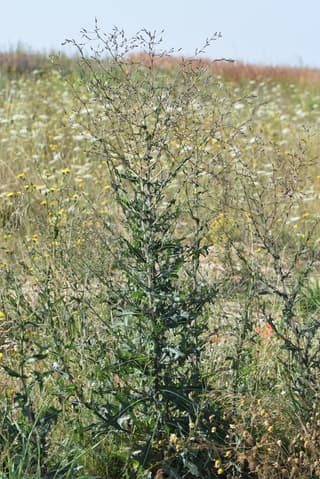
| Wild Lettuce | Medium | Direct sun | 7d | ⚠️ |
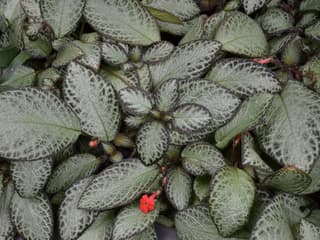
| Flame Violet | Easy | Partial shade | 7d | ✓ |
| Prickly Lettuce | Easy | Direct sun | 7d | ✓ |
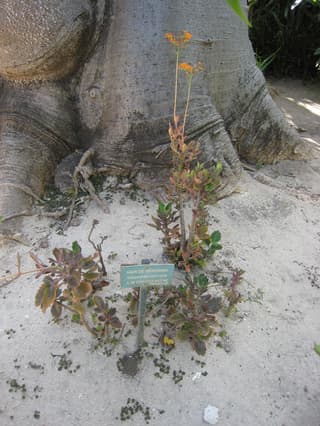
| Christmas Tree Plant | Easy | Bright indirect | 10d | ⚠️ |