Cyperaceae
Umbrella Plant Care Guide
Cyperus involucratus
One of the easiest plants to care for — simply keep its feet in water at all times. Provide bright indirect light, maintain warm temperatures, and trim spent stems. This moisture-loving plant thrives on neglect as long as the water supply is constant.
Every 2 days
Partial shade
5° - 30°C
60% - 80%
Categories
What is Umbrella Plant?
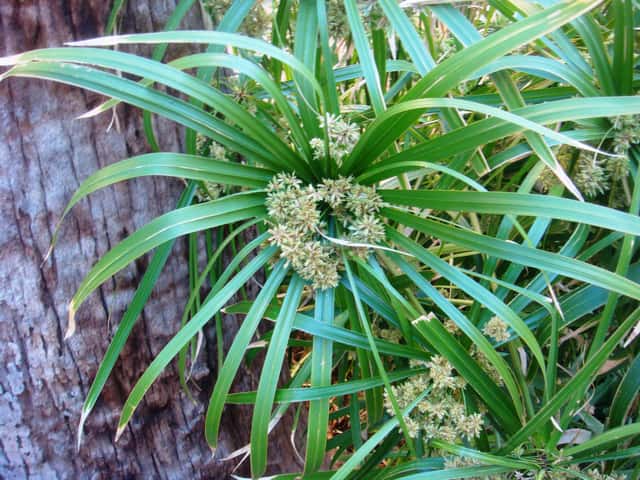
Umbrella Plant (Cyperus involucratus) is a easy-care plant from the Cyperaceae family. Cyperus involucratus, commonly known as the Umbrella Plant, is a graceful semi-aquatic sedge native to Madagascar. Its distinctive radiating bracts form an elegant umbrella-like crown atop tall, slender stems, making it a striking architectural plant for both indoor and outdoor settings. Thriving in...
Umbrella Plant grows up to 1.8m, with spread of 90cm, watering every 2 days, 5°C – 30°C, 60–80% humidity. It is suitable for indoor environments and not safe for pets.
Unlike many tropical plants, Umbrella Plant tolerates watering mistakes. Best for beginners. Without precautions, ingestion can cause irritation in pets. Keep out of reach of cats and dogs. Without adequate drainage, root rot can develop within 7 days.
How to Care for Umbrella Plant?
TLDR: Umbrella Plant needs Partial shade, watering every 2 days, and temperatures between 5-30°C with 60-80% humidity.
How Often Should You Water Umbrella Plant?
Keep the pot in a saucer or tray permanently filled with water. This semi-aquatic plant can even grow in standing water up to 10cm deep. Never let the soil dry out — brown tips and wilting appear quickly without constant moisture.
How Much Light Does Umbrella Plant Need?
Grows well in a wide range of light from bright indirect to partial shade. Can tolerate full sun outdoors but avoid harsh midday sun indoors, which may scorch leaf tips. Low light results in fewer new shoots and leggy growth.
What Is the Best Soil for Umbrella Plant?
Use a rich, peaty soil mix — 2 parts peat moss, 1 part sand, 1 part loam works well. The soil should retain moisture. Regular potting soil also works if kept consistently wet. A slightly acidic pH of 5.5-6.5 is ideal.
What Pot Should You Use for Umbrella Plant?
Use a pot with a drainage hole placed inside a deep saucer or cachepot. Plastic or glazed ceramic pots work best as they retain moisture. Terracotta dries out too fast for this water-loving plant.
Care Schedule
Fertilize
Every 30 days
Repot
Every 365 days
What Is Umbrella Plant and Where Does It Come From?
Cyperus involucratus, commonly known as the Umbrella Plant, is a graceful semi-aquatic sedge native to Madagascar. Its distinctive radiating bracts form an elegant umbrella-like crown atop tall, slender stems, making it a striking architectural plant for both indoor and outdoor settings. Thriving in wet conditions, it is one of the few houseplants that actually benefits from standing water, making it nearly impossible to overwater.
How to Propagate Umbrella Plant?
Stem Cutting (Upside-Down Method)
This upside-down method is unique to Cyperus and extremely reliable. You can also lay the umbrella flat on moist soil.
- 1 Cut a stem about 10cm below the umbrella of bracts
- 2 Trim the bracts to about half their length
- 3 Place the cutting upside down in a glass of water with the bracts submerged
- 4 Keep in a warm, bright location and change water weekly
- 5 Once roots are 3-5cm long, plant in moist potting soil
Materials needed:
Root Division
Division is best done when repotting. Each division should have at least 3-4 stems for best results.
- 1 Remove the plant from its pot
- 2 Use a sharp knife to divide the root clump into sections, each with several stems
- 3 Replant each division in moist potting soil
- 4 Keep in standing water immediately after planting
Materials needed:
Seed Propagation
Seeds need constant moisture and warmth to germinate. Cover the tray with plastic wrap to maintain humidity.
- 1 Sow seeds on the surface of moist seed compost
- 2 Press lightly into soil but do not cover
- 3 Maintain temperature of 13-18C (55-65F)
- 4 Keep soil consistently moist
- 5 Transplant seedlings when they have 3-4 stems
Materials needed:
How Big Does Umbrella Plant Grow?
TLDR: Umbrella Plant can reach up to 1.8m tall with Fast growth rate.
Max height
1.8m
Spread
90cm
Growth rate
Fast
Foliage
Evergreen
Warning: Toxic Plant
This plant can be toxic if ingested. Keep out of reach of:
Plant Uses
Ornamental
Great for decoration
Air Purifying
Improves air quality
Is your plant showing symptoms?
Click on the symptom to discover possible causes:
What Diseases Commonly Affect Umbrella Plant?
TLDR: Umbrella Plant is susceptible to 6 known diseases. Monitor regularly for early detection.
Spider Mites
Spider mites are tiny arachnids (less than 1/20 inch long) related to spiders and ticks that feed on plant sap. They thrive in hot, dry conditions and can cause significant damage to ornamental and vegetable plants. During severe infestations, crop losses can reach 14% or higher as these pests disrupt vital plant processes including photosynthesis, carbon dioxide absorption, and transpiration.
Mealybugs
Mealybugs are small, soft-bodied insects covered with a white, waxy, cottony material. They are common pests of houseplants and outdoor plants in mild climates. These sap-sucking insects feed on plant tissue, causing damage, stunted growth, and can lead to plant death if left untreated. They produce sticky honeydew which attracts sooty mold.
Aphids
Aphids are small, soft-bodied, pear-shaped insects (1/16 to 1/8 inch long) that feed by sucking nutrient-rich sap from plants. They reproduce rapidly and can quickly weaken plants, causing distorted growth and transmitting plant viruses. Aphids come in various colors including green, black, red, yellow, brown, and gray. They secrete honeydew, a sticky substance that attracts ants and encourages sooty mold growth.
Root Rot
Root rot is a serious fungal disease that affects the root system of plants, causing them to decay and die. It is primarily caused by overwatering, poor drainage, or soil-borne fungi such as Pythium, Phytophthora, Rhizoctonia, and Fusarium. The disease thrives in waterlogged conditions where roots are deprived of oxygen, making them susceptible to fungal infection.
Meaning & Symbolism
The Umbrella Plant symbolizes resilience, adaptability, and a deep connection to water and life. Its constant need for water reflects the nurturing qualities of nature.
Fun Facts
Cyperus involucratus is one of the few houseplants that actually thrives in standing water
It can be propagated by turning a cutting upside down in water — a method unique to this genus
In its native Madagascar, it grows along riverbanks and in marshy areas
Despite being called Umbrella Palm, it is not a true palm but a sedge related to papyrus
Frequently asked questions
How often should I water my Umbrella Plant?
Is the Umbrella Plant toxic to cats and dogs?
Why are the tips of my Umbrella Plant turning brown?
Can I grow Umbrella Plant outdoors?
Compare with similar plants
| Attribute | Difficulty | Light | Watering | Pet Safe |
|---|---|---|---|---|
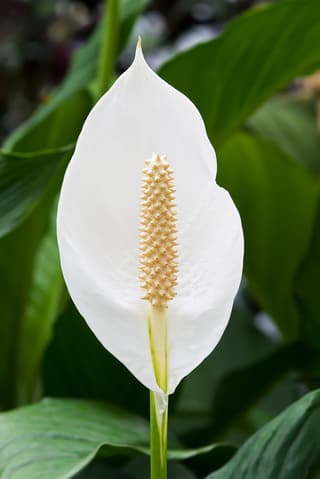
| Peace Lily | Easy | Low light | 4d | ⚠️ |
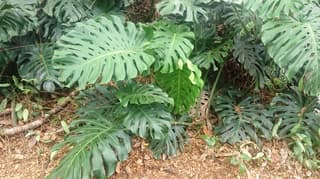
| Swiss Cheese Plant | Easy | Partial shade | 10d | ⚠️ |
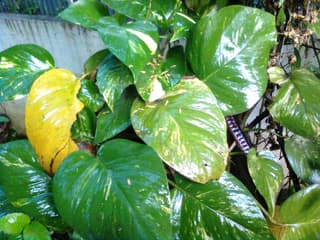
| Golden Pothos | Easy | Low light | 8d | ⚠️ |
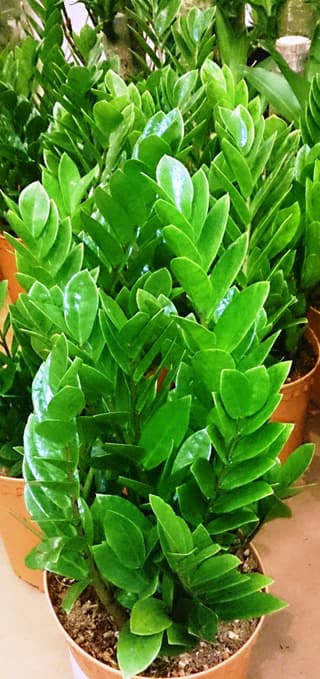
| ZZ Plant | Easy | Low light | 18d | ⚠️ |