Aizoaceae
Hedgehog Sheepfig: Low Water Needs
Delosperma echinatum
Thrives in bright light and well-draining soil. Allow the soil to dry out completely between waterings and protect from freezing temperatures.
Every 14 days
Bright indirect
-1° - 27°C
10% - 40%
Categories
What is Hedgehog Sheepfig?
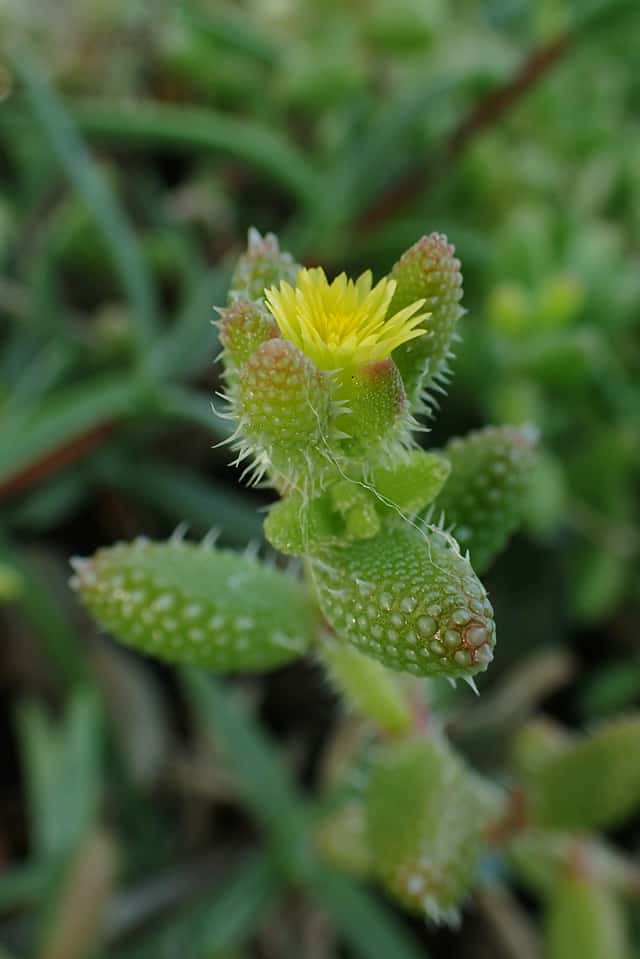
Hedgehog Sheepfig (Delosperma echinatum) is a easy-care plant from the Aizoaceae family. Delosperma echinatum, commonly known as the Pickle Plant, is a unique succulent shrublet native to South Africa. It is characterized by its small, barrel-shaped green leaves covered in soft, white, hair-like bristles that resemble a hedgehog or a pickle. It produces delicate, daisy-like flowers in s...
Hedgehog Sheepfig grows up to 45cm, with spread of 30cm, watering every 14 days, -1°C – 27°C, 10–40% humidity. It is suitable for indoor environments and safe for pets.
Unlike many tropical plants, Hedgehog Sheepfig tolerates watering mistakes. Best for beginners. Unlike many popular species, Hedgehog Sheepfig is safe to keep around pets. Without adequate drainage, root rot can develop within 28 days.
How to Care for Hedgehog Sheepfig?
TLDR: Hedgehog Sheepfig needs Bright indirect, watering every 14 days, and temperatures between -1-27°C with 10-40% humidity.
How Often Should You Water Hedgehog Sheepfig?
Use the 'soak and dry' method; water deeply only when the soil is bone dry to prevent root rot.
How Much Light Does Hedgehog Sheepfig Need?
Place in a south-facing window or a spot with at least 6 hours of bright, direct sunlight for compact growth.
What Is the Best Soil for Hedgehog Sheepfig?
Use a specialized cactus or succulent mix with added perlite or pumice to ensure excellent drainage.
What Pot Should You Use for Hedgehog Sheepfig?
Terracotta pots are ideal as they allow moisture to evaporate more quickly, preventing root rot.
Care Schedule
Fertilize
Every 365 days
Rotate
Every 90 days
Repot
Every 730 days
What Is Hedgehog Sheepfig and Where Does It Come From?
Delosperma echinatum, commonly known as the Pickle Plant, is a unique succulent shrublet native to South Africa. It is characterized by its small, barrel-shaped green leaves covered in soft, white, hair-like bristles that resemble a hedgehog or a pickle. It produces delicate, daisy-like flowers in shades of yellow or white during the warmer months.
How to Propagate Hedgehog Sheepfig?
Stem Cuttings
- Do not water the cutting for the first week to allow roots to begin forming.
- Keep in bright, indirect light during rooting.
- 1 Take Cutting
Cut a healthy stem about 3-5 inches long using a clean, sharp knife.
- 2 Callous
Let the cutting sit in a dry, shaded area for 2 days until the cut end forms a callous.
- 3 Plant
Insert the calloused end into a moist succulent soil mix.
Materials needed:
How Big Does Hedgehog Sheepfig Grow?
TLDR: Hedgehog Sheepfig can reach up to 45cm tall with Slow growth rate.
Max height
45cm
Spread
30cm
Growth rate
Slow
Foliage
Evergreen
Plant Uses
Ornamental
Great for decoration
Is your plant showing symptoms?
Click on the symptom to discover possible causes:
What Diseases Commonly Affect Hedgehog Sheepfig?
TLDR: Hedgehog Sheepfig is susceptible to 10 known diseases. Monitor regularly for early detection.
Root Rot
Root rot is a serious fungal disease that affects the root system of plants, causing them to decay and die. It is primarily caused by overwatering, poor drainage, or soil-borne fungi such as Pythium, Phytophthora, Rhizoctonia, and Fusarium. The disease thrives in waterlogged conditions where roots are deprived of oxygen, making them susceptible to fungal infection.
Powdery Mildew
Powdery mildew is a common fungal disease caused by various fungi species including Erysiphe, Podosphaera, Oïdium, and Leveillula. It affects over 10,000 plant species worldwide. The disease thrives in warm, dry climates with high humidity and appears as a distinctive white powdery coating on plant surfaces.
Leaf Spot
Leaf spot is a common fungal disease caused by various pathogens including Alternaria, Ascochyta, Colletotrichum, Septoria, and Venturia. It primarily affects leaves, causing discolored spots that can lead to premature leaf drop if left untreated.
Botrytis
Meaning & Symbolism
Resilience and protection due to its prickly appearance yet soft texture.
Compare with similar plants
| Attribute | Difficulty | Light | Watering | Pet Safe |
|---|---|---|---|---|
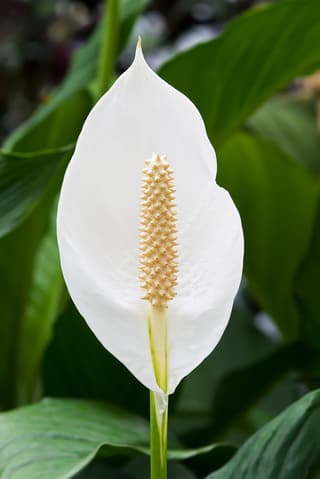
| Peace Lily | Easy | Low light | 4d | ⚠️ |
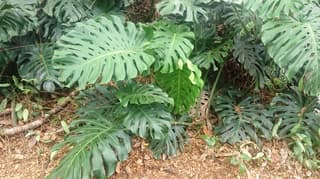
| Swiss Cheese Plant | Easy | Partial shade | 10d | ⚠️ |
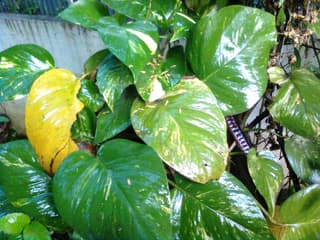
| Golden Pothos | Easy | Low light | 8d | ⚠️ |
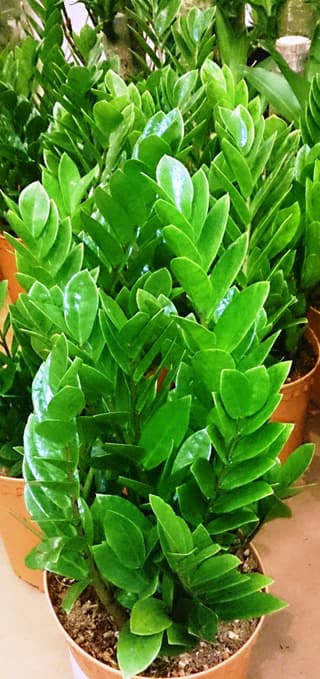
| ZZ Plant | Easy | Low light | 18d | ⚠️ |