Araceae
ZZ Plant: Best for Low Light
Zamioculcas zamiifolia
One of the most low-maintenance houseplants available. Tolerates low light, infrequent watering, and average humidity. Perfect for beginners, offices, and rooms with limited natural light. Avoid overwatering as this is the most common cause of plant failure.
Every 18 days
Low light
15° - 24°C
30% - 50%
Categories
What is ZZ Plant?
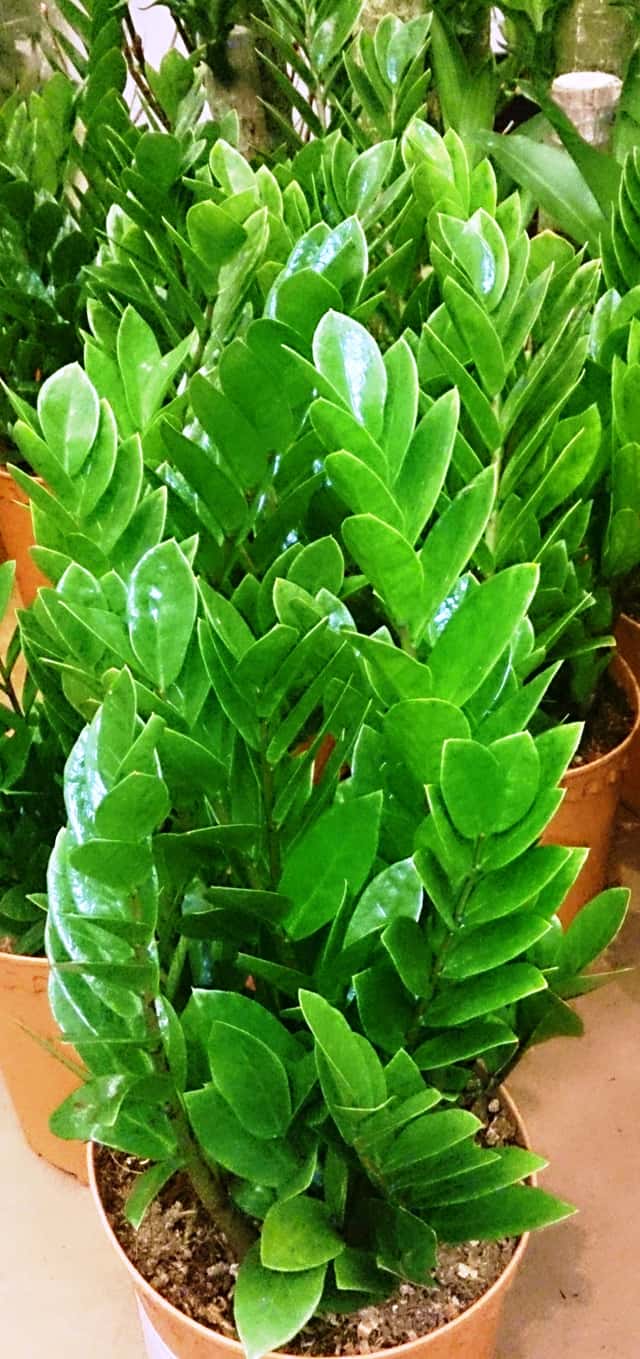
ZZ Plant (Zamioculcas zamiifolia) is a easy-care plant from the Araceae family. The ZZ Plant (Zamioculcas zamiifolia) is a tropical perennial native to eastern Africa, renowned for its glossy, dark green pinnate leaves and remarkable resilience. Its ability to thrive in low light conditions and tolerate drought makes it one of the most popular and beginner-friendly houseplants....
ZZ Plant grows up to 90cm, with spread of 90cm, watering every 18 days, 15°C – 24°C, 30–50% humidity. It is suitable for indoor environments and not safe for pets.
Unlike many tropical plants, ZZ Plant tolerates watering mistakes. Best for beginners. Without precautions, ingestion can cause irritation in pets. Keep out of reach of cats and dogs. Without adequate drainage, root rot can develop within 36 days.
How to Care for ZZ Plant?
TLDR: ZZ Plant needs Low light, watering every 18 days, and temperatures between 15-24°C with 30-50% humidity.
How Often Should You Water ZZ Plant?
Water only when the top 2-3 inches of soil are completely dry, typically every 2-3 weeks. Reduce watering in winter. The plant stores water in its rhizomes, making it highly drought-tolerant. Overwatering causes root rot - when in doubt, wait before watering.
How Much Light Does ZZ Plant Need?
Thrives in low to bright indirect light. Tolerates low light conditions well, making it ideal for offices and north-facing windows. Avoid direct sunlight which can scorch the leaves. Grows well under fluorescent lighting.
What Is the Best Soil for ZZ Plant?
Use a well-draining potting mix, similar to cactus soil. A mix of potting soil, perlite, and coarse sand works well. Ensure the pot has drainage holes. Slightly acidic to neutral pH (6.0-7.0) is ideal.
What Pot Should You Use for ZZ Plant?
Terracotta or ceramic pots with drainage holes work best. The porous material helps prevent overwatering. Choose a pot only slightly larger than the root ball.
Care Schedule
Fertilize
Every 56 days
Repot
Every 730 days
What Is ZZ Plant and Where Does It Come From?
The ZZ Plant (Zamioculcas zamiifolia) is a tropical perennial native to eastern Africa, renowned for its glossy, dark green pinnate leaves and remarkable resilience. Its ability to thrive in low light conditions and tolerate drought makes it one of the most popular and beginner-friendly houseplants. The plant grows from underground rhizomes that store water, allowing it to survive extended periods without watering.
How to Propagate ZZ Plant?
Division
Division is the fastest method for ZZ propagation
- 1 Remove the plant from its pot
- 2 Gently separate the rhizomes, ensuring each section has roots and stems
- 3 Allow cut surfaces to dry for a few hours
- 4 Plant each section in fresh, well-draining soil
- 5 Water sparingly until new growth appears
Materials needed:
Leaf cuttings
This method is slow but effective; patience is key as it can take 6-12 months
- 1 Cut a healthy leaf with a short stem section
- 2 Allow the cut end to callous for a few hours
- 3 Insert the cut end into moist soil or water
- 4 Place in bright indirect light
- 5 Wait several months for roots and rhizomes to develop
Materials needed:
How Big Does ZZ Plant Grow?
TLDR: ZZ Plant can reach up to 90cm tall with Slow growth rate.
Max height
90cm
Spread
90cm
Growth rate
Slow
Foliage
Evergreen
Warning: Toxic Plant
This plant can be toxic if ingested. Keep out of reach of:
Plant Uses
Ornamental
Great for decoration
Air Purifying
Improves air quality
Is your plant showing symptoms?
Click on the symptom to discover possible causes:
What Diseases Commonly Affect ZZ Plant?
TLDR: ZZ Plant is susceptible to 34 known diseases. Monitor regularly for early detection.
Root Rot
Root rot is a serious fungal disease that affects the root system of plants, causing them to decay and die. It is primarily caused by overwatering, poor drainage, or soil-borne fungi such as Pythium, Phytophthora, Rhizoctonia, and Fusarium. The disease thrives in waterlogged conditions where roots are deprived of oxygen, making them susceptible to fungal infection.
Pythium Root Rot
Pythium root rot is a serious fungal disease caused by various Pythium species including P. aphanidermatum, P. ultimum, and P. irregulare. These water molds are present in practically all cultivated soils and attack plant roots under wet conditions, causing rapid wet rot that can extend into the stem. The disease is favored by poor drainage, overwatering, and specific temperatures depending on the species.
Phytophthora Root Rot
Disease caused by fungus-like organisms (oomycetes) that live in soil and can survive for years. It affects roots, stem, and crown of plants, being especially severe in waterlogged or poorly drained soils. It is the second most common cause of root rot in trees and shrubs.
Crown Rot
Crown rot is a serious fungal disease that attacks the crown (base) of the plant where the stem meets the soil. It is caused by various fungal pathogens including Phytophthora, Fusarium, and Rhizoctonia. The disease thrives in waterlogged conditions and can quickly spread to kill the entire plant if not addressed promptly.
Meaning & Symbolism
Symbolizes prosperity, growth, and good fortune. Known as the "fortune plant" in many cultures, it is believed to bring luck and positive energy to homes and businesses.
Compare with similar plants
| Attribute | Difficulty | Light | Watering | Pet Safe |
|---|---|---|---|---|
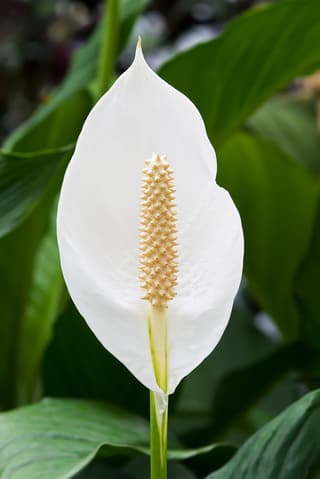
| Peace Lily | Easy | Low light | 4d | ⚠️ |
| Swiss Cheese Plant | Easy | Partial shade | 10d | ⚠️ |
| Golden Pothos | Easy | Low light | 8d | ⚠️ |
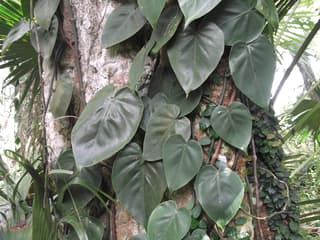
| Heartleaf Philodendron | Easy | Partial shade | 7d | ⚠️ |