Platanaceae
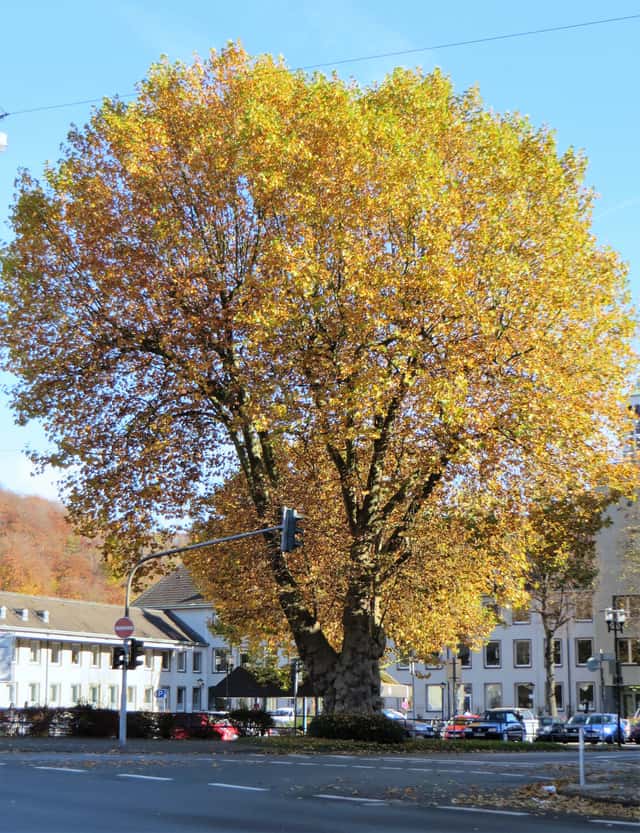
London Plane Tree (Platanus x hispanica)
Platanus x hispanica
The London Plane Tree thrives in full sun and well-drained, loamy soil. Water young trees regularly during establishment; mature trees are moderately drought-tolerant and need watering only during prolonged dry spells. Fertilize annually in spring with a balanced slow-release fertilizer. Prune in late autumn or winter when dormant. This large, fast-growing tree is strictly an outdoor species requiring ample open space.
Every 10 days
Direct sun
-23° - 38°C
40% - 70%
Categories
What is London Plane Tree?
London Plane Tree (Platanus x hispanica) is a easy-care plant from the Platanaceae family. The London Plane Tree (Platanus x hispanica) is a magnificent hybrid deciduous tree believed to be a cross between the Oriental Plane (Platanus orientalis) and the American Sycamore (Platanus occidentalis). Originating in Europe, it has become one of the most widely planted urban trees in the world,...
London Plane Tree grows up to 30.0m, with spread of 2400cm, watering every 10 days, -23°C – 38°C, 40–70% humidity. It is not suitable for indoor environments and safe for pets.
Unlike many tropical plants, London Plane Tree tolerates watering mistakes. Best for beginners. Unlike many popular species, London Plane Tree is safe to keep around pets.
How to Care for London Plane Tree?
TLDR: London Plane Tree needs Direct sun, watering every 10 days, and temperatures between -23-38°C with 40-70% humidity.
How Often Should You Water London Plane Tree?
Water newly planted trees deeply once a week for the first 1–2 years. Established trees need watering every 10 days during dry summers. Avoid waterlogging—ensure the planting site has good drainage to prevent root rot and canker diseases.
How Much Light Does London Plane Tree Need?
Plant in a location with full sun (at least 6 hours of direct sunlight daily). The London Plane does not tolerate heavy shade and grows best when unobstructed by taller buildings or canopy. South or west-facing open sites are ideal.
What Is the Best Soil for London Plane Tree?
Use rich, loamy, well-draining soil with a pH between 6.0 and 7.5. The London Plane tolerates clay and slightly alkaline soils but performs best in moist, fertile loam. Amend planting holes with organic compost to improve drainage and nutrient availability.
What Pot Should You Use for London Plane Tree?
Not applicable — the London Plane is a large outdoor tree unsuited to container growing. It should be planted directly in the ground with ample space.
Care Schedule
Fertilize
Every 90 days
What Is London Plane Tree and Where Does It Come From?
The London Plane Tree (Platanus x hispanica) is a magnificent hybrid deciduous tree believed to be a cross between the Oriental Plane (Platanus orientalis) and the American Sycamore (Platanus occidentalis). Originating in Europe, it has become one of the most widely planted urban trees in the world, celebrated for its extraordinary tolerance of pollution, compacted soils, and drought. Its striking exfoliating bark—revealing creamy, olive, and tan patches—makes it a year-round ornamental standout. It can grow up to 30 meters tall with a wide canopy reaching 24 meters across, providing abundant shade in parks, avenues, and urban squares.
How to Propagate London Plane Tree?
Seed propagation
Cold stratification greatly improves germination rates. Protect seedlings from late frosts in the first year.
- 1 Collect ripe seed balls in late autumn
- 2 Separate seeds and cold-stratify for 30-90 days in moist sand
- 3 Sow seeds in well-draining seed compost in spring
- 4 Keep moist and in bright indirect light until germination
- 5 Transplant seedlings outdoors once established
Materials needed:
Hardwood cutting
Hardwood cuttings taken during dormancy have the highest success rate. Keep the compost evenly moist but not waterlogged.
- 1 Take 20–30 cm hardwood cuttings from healthy shoots in late winter
- 2 Remove lower leaves and dip the base in rooting hormone
- 3 Insert cuttings into free-draining compost
- 4 Keep in a sheltered, frost-free location until roots develop
- 5 Transplant to final position in autumn
Materials needed:
How Big Does London Plane Tree Grow?
TLDR: London Plane Tree can reach up to 30.0m tall with Fast growth rate.
Max height
30.0m
Spread
24.0m
Growth rate
Fast
Foliage
Deciduous
Plant Uses
Ornamental
Great for decoration
Air Purifying
Improves air quality
Is your plant showing symptoms?
Click on the symptom to discover possible causes:
What Diseases Commonly Affect London Plane Tree?
TLDR: London Plane Tree is susceptible to 6 known diseases. Monitor regularly for early detection.
Anthracnose
Anthracnose is a fungal disease caused by fungi in the genus Colletotrichum that affects many plants, including vegetables, fruits, and trees. The disease thrives in cool, wet conditions, causing dark, sunken lesions on leaves, stems, flowers, and fruits.
Powdery Mildew
Powdery mildew is a common fungal disease caused by various fungi species including Erysiphe, Podosphaera, Oïdium, and Leveillula. It affects over 10,000 plant species worldwide. The disease thrives in warm, dry climates with high humidity and appears as a distinctive white powdery coating on plant surfaces.
Aphids
Aphids are small, soft-bodied, pear-shaped insects (1/16 to 1/8 inch long) that feed by sucking nutrient-rich sap from plants. They reproduce rapidly and can quickly weaken plants, causing distorted growth and transmitting plant viruses. Aphids come in various colors including green, black, red, yellow, brown, and gray. They secrete honeydew, a sticky substance that attracts ants and encourages sooty mold growth.
Scale Insects
Scale insects are small sap-sucking pests that appear as brown, shell-like bumps on plant stems and leaves. There are over 25 species, divided into armored (hard) and unarmored (soft) scales. They feed by piercing plant tissue and extracting sap, which weakens the plant and can lead to yellowing, stunted growth, and even death if left untreated. They also excrete honeydew, which attracts ants and promotes sooty mold growth.
Meaning & Symbolism
Represents strength, endurance, and civic pride. The London Plane is a symbol of resilience in urban environments, having lined the streets of major European cities for centuries. It embodies the harmonious coexistence of nature and city life.
Fun Facts
The London Plane is one of the most pollution-tolerant trees in the world, making it a staple of cities from London to Buenos Aires.
Its bark peels away to reveal a mosaic of cream, olive, and tan patches—a self-cleaning mechanism that helps shed pollutants and disease pathogens.
A single mature London Plane can absorb significant amounts of carbon dioxide and airborne particulates, improving urban air quality.
The London Plane is believed to have originated in Spain or England in the 17th century, making it one of horticulture's earliest documented hybrids.
Frequently asked questions
How often should I water a London Plane Tree?
How fast does the London Plane Tree grow?
Is the London Plane Tree toxic to pets or humans?
Can the London Plane Tree be grown in a pot?
What diseases affect the London Plane Tree?
Compare with similar plants
| Attribute | Difficulty | Light | Watering | Pet Safe |
|---|---|---|---|---|
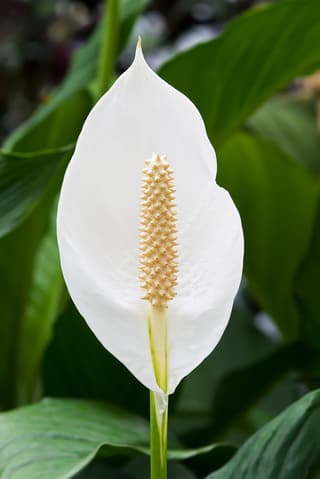
| Peace Lily | Easy | Low light | 4d | ⚠️ |
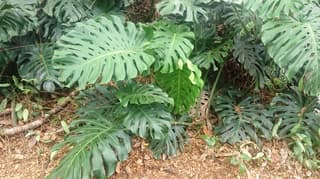
| Swiss Cheese Plant | Easy | Partial shade | 10d | ⚠️ |
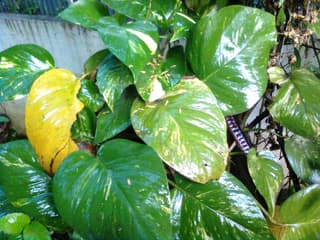
| Golden Pothos | Easy | Low light | 8d | ⚠️ |
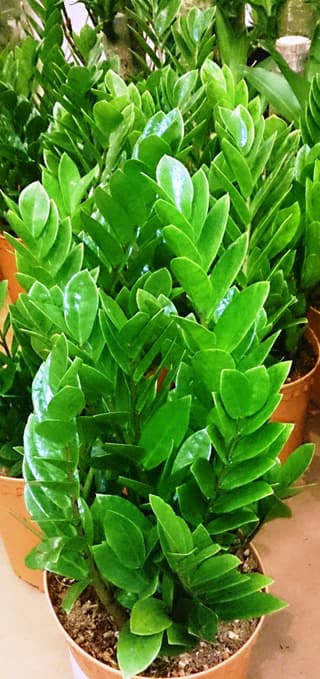
| ZZ Plant | Easy | Low light | 18d | ⚠️ |