Crassulaceae
Adromischus – The Complete Care Guide for Plover Eggs Plant
Adromischus
Adromischus is an easy-care succulent: water every 10–14 days in the growing season, provide bright light, use well-draining soil, and keep in temperatures between 5–25°C. Reduce watering in winter. Avoid overwatering at all costs.
Every 12 days
Bright indirect
5° - 25°C
20% - 40%
Categories
What is Plover Eggs Plant?
Plover Eggs Plant (Adromischus) is a easy-care plant from the Crassulaceae family. Adromischus is a charming genus of small, clumping succulents native to Southern Africa, belonging to the Crassulaceae family. With about 28 known species, these plants are prized by collectors for their uniquely shaped, often spotted or mottled thick leaves. They thrive in bright light and are exce...
Plover Eggs Plant grows up to 15cm, spread of 20cm, watering every 12 days, 5°C – 25°C, 20–40% humidity. It is suitable for indoor environments and not safe for pets.
Unlike many tropical plants, Plover Eggs Plant tolerates watering mistakes. Best for beginners. Without precautions, ingestion can cause irritation in pets. Keep out of reach of cats and dogs. Without adequate drainage, root rot can develop within 24 days.
How to Care for Plover Eggs Plant?
TLDR: Plover Eggs Plant needs Bright indirect, watering every 12 days, and temperatures between 5-25°C with 20-40% humidity.
How Often Should You Water Plover Eggs Plant?
Water every 10–14 days during spring and summer, allowing the soil to dry out completely between waterings. In winter, reduce to once a month or less. Overwatering leads to fatal root rot — when in doubt, wait.
How Much Light Does Plover Eggs Plant Need?
Place in a bright spot with several hours of direct or intense indirect sunlight daily. South or west-facing windowsills are ideal. Some spotted varieties benefit from direct sun to deepen their markings. Avoid deep shade.
What Is the Best Soil for Plover Eggs Plant?
Use a well-draining cactus or succulent mix — ideally 40% potting soil and 60% perlite. Never use regular garden soil alone, as it retains too much moisture and can cause root rot.
What Pot Should You Use for Plover Eggs Plant?
Terracotta pots are ideal as they allow excess moisture to evaporate, reducing root rot risk. Ensure the pot has drainage holes. Choose a container only slightly larger than the plant.
Care Schedule
Fertilize
Every 90 days
Repot
Every 730 days
What Is Plover Eggs Plant and Where Does It Come From?
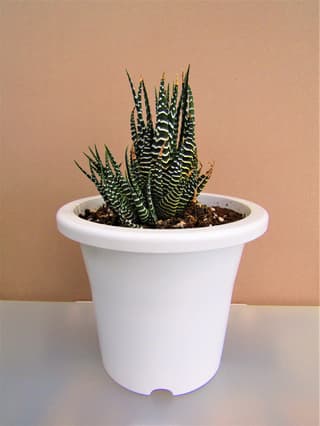
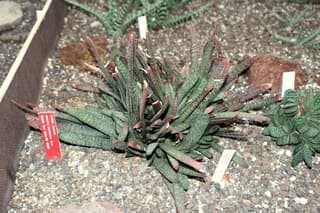
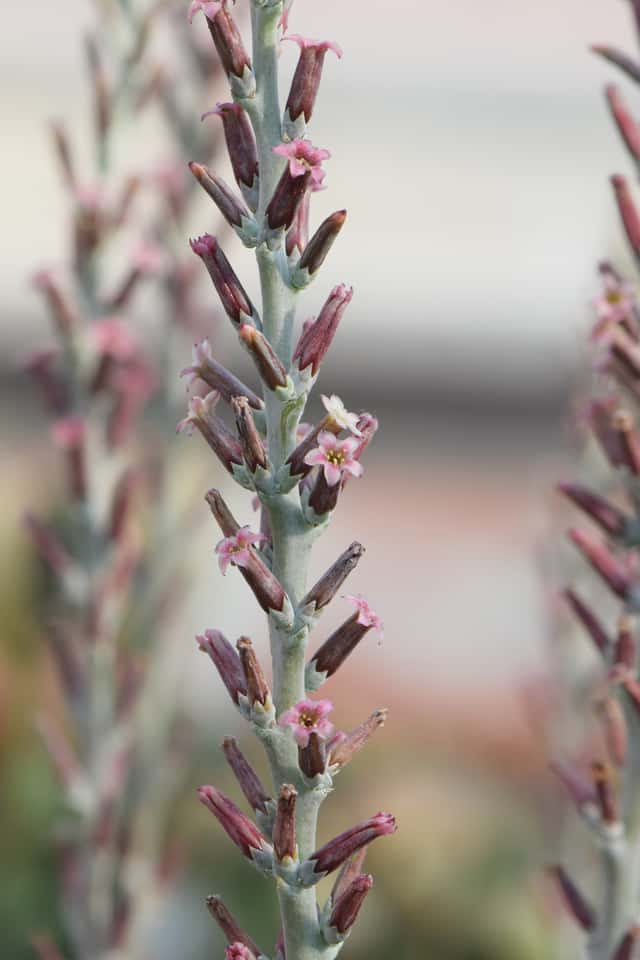
Adromischus is a charming genus of small, clumping succulents native to Southern Africa, belonging to the Crassulaceae family. With about 28 known species, these plants are prized by collectors for their uniquely shaped, often spotted or mottled thick leaves. They thrive in bright light and are exceptionally drought-tolerant, making them ideal low-maintenance houseplants. In spring, they produce slender tubular flowers in white, pink, or red on long spikes.
How to Propagate Plover Eggs Plant?
Leaf Cutting
Use clean scissors or fingers. Do not bury the leaf — lay it on the surface or barely insert the tip. Avoid direct sun until rooted.
- 1 Gently detach a healthy, firm leaf from the base of the plant
- 2 Allow the cut end to callous for 3–4 days in a dry, shaded spot
- 3 Place the calloused end into slightly moist well-draining succulent mix
- 4 Mist lightly once a week and keep in bright indirect light
- 5 Roots and new growth should appear within 1–2 weeks
Materials needed:
How Big Does Plover Eggs Plant Grow?
TLDR: Plover Eggs Plant can reach up to 15cm tall with Slow growth rate.
Max height
15cm
Spread
20cm
Growth rate
Slow
Foliage
Evergreen
Warning: Toxic Plant
This plant can be toxic if ingested. Keep out of reach of:
Plant Uses
Ornamental
Great for decoration
Is your plant showing symptoms?
Click on the symptom to discover possible causes:
What Diseases Commonly Affect Plover Eggs Plant?
TLDR: Plover Eggs Plant is susceptible to 8 known diseases. Monitor regularly for early detection.
Root Rot
Root rot is a serious fungal disease that affects the root system of plants, causing them to decay and die. It is primarily caused by overwatering, poor drainage, or soil-borne fungi such as Pythium, Phytophthora, Rhizoctonia, and Fusarium. The disease thrives in waterlogged conditions where roots are deprived of oxygen, making them susceptible to fungal infection.
Crown Rot
Crown rot is a serious fungal disease that attacks the crown (base) of the plant where the stem meets the soil. It is caused by various fungal pathogens including Phytophthora, Fusarium, and Rhizoctonia. The disease thrives in waterlogged conditions and can quickly spread to kill the entire plant if not addressed promptly.
Powdery Mildew
Powdery mildew is a common fungal disease caused by various fungi species including Erysiphe, Podosphaera, Oïdium, and Leveillula. It affects over 10,000 plant species worldwide. The disease thrives in warm, dry climates with high humidity and appears as a distinctive white powdery coating on plant surfaces.
Spider Mites
Spider mites are tiny arachnids (less than 1/20 inch long) related to spiders and ticks that feed on plant sap. They thrive in hot, dry conditions and can cause significant damage to ornamental and vegetable plants. During severe infestations, crop losses can reach 14% or higher as these pests disrupt vital plant processes including photosynthesis, carbon dioxide absorption, and transpiration.
Meaning & Symbolism
In South African folklore, resilience and endurance. The mottled leaves are associated with adaptability and surviving harsh, arid environments.
Fun Facts
Adromischus genus contains about 28 recognized species, all native to South Africa and Namibia.
Their leaves can be spotted, mottled, crinkled, or club-shaped — each species has a uniquely sculptural form prized by collectors.
Despite their delicate appearance, Adromischus can survive months without water thanks to their water-storing tuberous roots.
In spring, they produce slender tubular flowers on tall spikes — a surprising floral display from such a compact plant.
Frequently asked questions
How often should I water Adromischus?
Does Adromischus need direct sunlight?
Is Adromischus toxic to pets?
Why are my Adromischus leaves dropping off?
How do I propagate Adromischus?
Compare with similar plants
| Attribute | Difficulty | Light | Watering | Pet Safe |
|---|---|---|---|---|
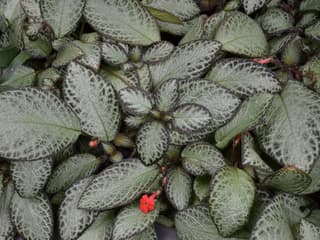
| Flame Violet | Easy | Partial shade | 7d | ✓ |
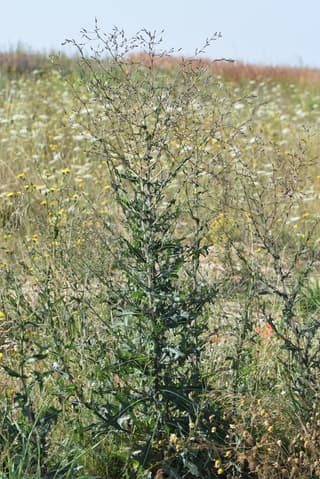
| Prickly Lettuce | Easy | Direct sun | 7d | ✓ |
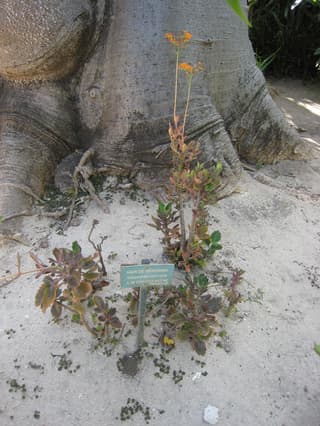
| Christmas Tree Plant | Easy | Bright indirect | 10d | ⚠️ |
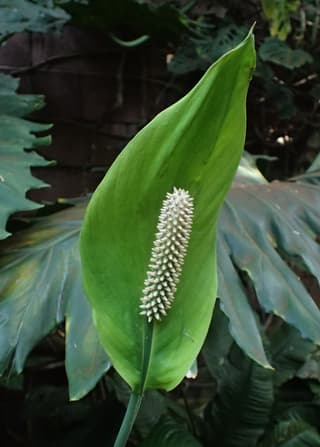
| Peace Lily | Easy | Low light | 7d | ⚠️ |