Primulaceae
Polyanthus Primrose (Primula x polyantha): Complete Care Guide
Primula x polyantha
The Polyanthus Primrose thrives in cool, moist conditions with partial shade. Keep soil consistently moist but never waterlogged. Provide bright indirect light indoors or dappled shade outdoors. Fertilize monthly during the growing season and deadhead spent flowers to encourage continued blooming.
Every 5 days
Partial shade
5° - 18°C
40% - 60%
Categories
What is Polyanthus Primrose?
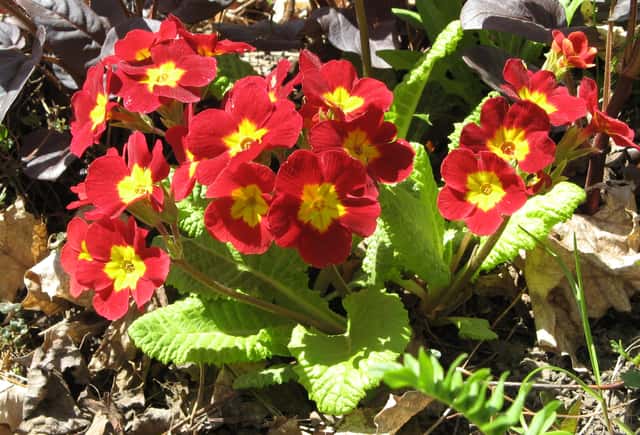
Polyanthus Primrose (Primula x polyantha) is a easy-care plant from the Primulaceae family. Primula x polyantha, commonly known as the Polyanthus Primrose, is a charming European hybrid resulting from crosses between Primula veris (cowslip) and Primula vulgaris (common primrose). It produces clusters of vibrantly colored flowers in spring, making it a favourite for garden borders, containe...
Polyanthus Primrose grows up to 51cm, with spread of 51cm, watering every 5 days, 5°C – 18°C, 40–60% humidity. It is suitable for indoor environments and not safe for pets.
Unlike many tropical plants, Polyanthus Primrose tolerates watering mistakes. Best for beginners. Without precautions, ingestion can cause irritation in pets. Keep out of reach of cats and dogs. Without adequate drainage, root rot can develop within 10 days.
How to Care for Polyanthus Primrose?
TLDR: Polyanthus Primrose needs Partial shade, watering every 5 days, and temperatures between 5-18°C with 40-60% humidity.
How Often Should You Water Polyanthus Primrose?
Water every 4–6 days, keeping the soil evenly moist but well-drained. Always check the top inch of soil — water when it feels slightly dry. Avoid overhead watering to prevent crown rot; water at the base instead.
How Much Light Does Polyanthus Primrose Need?
Primula x polyantha prefers bright indirect light or partial shade (2–6 hours of direct sun). Indoors, place near an east-facing window. Protect from harsh afternoon sun, which causes wilting and leaf scorch.
What Is the Best Soil for Polyanthus Primrose?
Grow in rich, moisture-retentive, well-draining soil with high organic matter. A mix of loamy garden soil with compost and perlite works well. Maintain a slightly acidic pH of 6.0–7.0. Avoid clay-heavy soils that become waterlogged.
What Pot Should You Use for Polyanthus Primrose?
Use shallow terracotta or ceramic pots with drainage holes. Primulas prefer to be slightly snug in the pot — avoid oversized containers that hold excess moisture. A 15–20 cm pot is ideal for a single plant.
Care Schedule
Fertilize
Every 30 days
Repot
Every 730 days
What Is Polyanthus Primrose and Where Does It Come From?
Primula x polyantha, commonly known as the Polyanthus Primrose, is a charming European hybrid resulting from crosses between Primula veris (cowslip) and Primula vulgaris (common primrose). It produces clusters of vibrantly colored flowers in spring, making it a favourite for garden borders, containers, and cool indoor displays. Cultivated for centuries, it has been bred into an extraordinary range of colors including red, orange, pink, white, cream, yellow, and purple.
How to Propagate Polyanthus Primrose?
Division
Divide every 2–3 years to maintain vigour and prevent overcrowding. Keep divisions moist during establishment.
- 1 After flowering in spring, carefully lift the plant from the soil.
- 2 Gently separate the clumps into individual rosettes with your hands or a clean knife.
- 3 Replant each division at the same depth in fresh, compost-enriched soil.
- 4 Water thoroughly and place in partial shade until re-established.
Materials needed:
Seed
Primula seeds are very fine — mix with sand for easier sowing. Refrigerate seeds for 2 weeks before sowing to improve germination (stratification).
- 1 Sow seeds in late summer or early spring on the surface of moist seed compost.
- 2 Do not cover seeds — they need light to germinate.
- 3 Keep at 15–18°C and maintain consistent moisture with a propagator lid.
- 4 Prick out seedlings when they have 2–3 true leaves into individual pots.
Materials needed:
How Big Does Polyanthus Primrose Grow?
TLDR: Polyanthus Primrose can reach up to 51cm tall with Medium growth rate.
Max height
51cm
Spread
51cm
Growth rate
Medium
Foliage
Semi-evergreen
Warning: Toxic Plant
This plant can be toxic if ingested. Keep out of reach of:
Plant Uses
Ornamental
Great for decoration
Is your plant showing symptoms?
Click on the symptom to discover possible causes:
What Diseases Commonly Affect Polyanthus Primrose?
TLDR: Polyanthus Primrose is susceptible to 11 known diseases. Monitor regularly for early detection.
Gray Mold (Botrytis Blight)
Gray mold, caused by the fungus Botrytis cinerea, is one of the most common fungal diseases in plants. It affects over 200 plant species, including ornamentals, vegetables, fruits, and houseplants. The disease thrives in cool, humid conditions with poor air circulation, causing grayish spots and soft rot on infected tissues.
Gray Mold (Botrytis Blight)
Gray mold, caused by the fungus Botrytis cinerea, is a widespread necrotrophic pathogen affecting over 1,400 plant species. It thrives in cool, humid conditions and attacks weakened or aging plant tissues, causing soft rot and characteristic gray fuzzy growth.
Root Rot
Root rot is a serious fungal disease that affects the root system of plants, causing them to decay and die. It is primarily caused by overwatering, poor drainage, or soil-borne fungi such as Pythium, Phytophthora, Rhizoctonia, and Fusarium. The disease thrives in waterlogged conditions where roots are deprived of oxygen, making them susceptible to fungal infection.
Crown Rot
Crown rot is a serious fungal disease that attacks the crown (base) of the plant where the stem meets the soil. It is caused by various fungal pathogens including Phytophthora, Fusarium, and Rhizoctonia. The disease thrives in waterlogged conditions and can quickly spread to kill the entire plant if not addressed promptly.
Meaning & Symbolism
The Polyanthus Primrose symbolizes spring renewal, youth, and new beginnings. In English folklore, primroses were placed at doorways to invite fairies and ward off evil spirits, and they are associated with unseen protection and gentle love.
Fun Facts
Primula x polyantha is a naturally occurring hybrid where the parent species (Primula veris and Primula vulgaris) ranges overlap in the wild.
The name 'polyantha' comes from Greek and means 'many flowers', which perfectly describes its clustered blooms.
Polyanthus primroses have been cultivated in European gardens since the 17th century and remain among the most popular spring bedding plants.
Despite looking delicate, Polyanthus Primrose is surprisingly cold-hardy and can survive temperatures down to about -15°C in the right conditions.
Frequently asked questions
How often should I water Polyanthus Primrose?
Is Primula x polyantha toxic to cats and dogs?
Why are my primrose leaves wilting?
Can I keep Polyanthus Primrose indoors?
How do I encourage more blooms?
Compare with similar plants
| Attribute | Difficulty | Light | Watering | Pet Safe |
|---|---|---|---|---|
| Peace Lily | Easy | Low light | 4d | ⚠️ |
| Swiss Cheese Plant | Easy | Partial shade | 10d | ⚠️ |
| Golden Pothos | Easy | Low light | 8d | ⚠️ |
| ZZ Plant | Easy | Low light | 18d | ⚠️ |