Bromeliaceae
Orange Bromeliad (Aechmea blanchetiana): Complete Care Guide
Aechmea blanchetiana
Very low maintenance plant. Keep the central cup filled with non-chlorinated water, provide full sun to partial shade, and use lightweight well-draining substrate. No frequent soil watering needed once established. Apply a light balanced fertilizer every 60 days during spring and summer.
Every 10 days
Bright indirect
-3° - 35°C
50% - 80%
Categories
What is Orange Bromeliad?
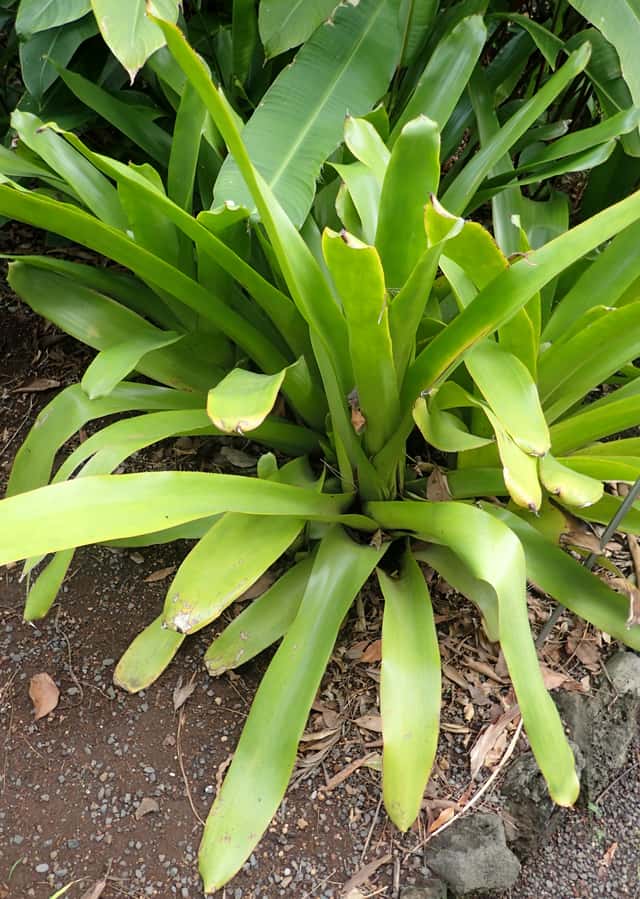
Orange Bromeliad (Aechmea blanchetiana) is a easy-care plant from the Bromeliaceae family. Aechmea blanchetiana, commonly known as the Orange Bromeliad, is a stunning tropical bromeliad native to the restinga coastal forests of Brazil's Atlantic Forest. Its stiff, linear leaves form a classic vase-shaped rosette that can hold up to one liter of water in the central cup. When grown in full...
Orange Bromeliad grows up to 1.7m, with spread of 60cm, watering every 10 days, -3°C – 35°C, 50–80% humidity. It is suitable for indoor environments and safe for pets.
Unlike many tropical plants, Orange Bromeliad tolerates watering mistakes. Best for beginners. Unlike many popular species, Orange Bromeliad is safe to keep around pets. Without adequate drainage, root rot can develop within 20 days.
How to Care for Orange Bromeliad?
TLDR: Orange Bromeliad needs Bright indirect, watering every 10 days, and temperatures between -3-35°C with 50-80% humidity.
How Often Should You Water Orange Bromeliad?
Keep the central rosette cup filled with clean, non-chlorinated or rainwater at all times. Flush the cup every 30 days to prevent stagnation and mosquito breeding. Water the soil only when dry to the touch. Avoid waterlogging the substrate to prevent root rot.
How Much Light Does Orange Bromeliad Need?
Grows best in full sun to partial shade. Full sun brings out the stunning orange-red leaf coloration. In shade, foliage remains green. Indoors, place near bright windows. Tolerates some gentle morning direct sun. Gradually acclimate to brighter light if transitioning outdoors.
What Is the Best Soil for Orange Bromeliad?
Use lightweight, well-draining substrate rich in organic matter. A mix of potting soil, coarse sand, and coconut fiber works well. Ideal pH range 5.5–6.5. Can also be grown epiphytically attached to tree trunks with moss around the roots.
What Pot Should You Use for Orange Bromeliad?
Terra cotta or plastic pots with excellent drainage. For garden planting, can be placed directly in the ground. In containers, medium-sized pots are sufficient due to slow growth rate. Decorative ceramic planters enhance the ornamental appeal for indoor settings.
Care Schedule
Fertilize
Every 60 days
Misting
Every 7 days
Rotate
Every 90 days
Repot
Every 730 days
What Is Orange Bromeliad and Where Does It Come From?
Aechmea blanchetiana, commonly known as the Orange Bromeliad, is a stunning tropical bromeliad native to the restinga coastal forests of Brazil's Atlantic Forest. Its stiff, linear leaves form a classic vase-shaped rosette that can hold up to one liter of water in the central cup. When grown in full sun, the foliage transforms into brilliant shades of orange, red, and apricot, making it one of the most striking bromeliads for tropical and subtropical landscapes. After flowering, the mother plant produces offsets that ensure continuity of growth.
How to Propagate Orange Bromeliad?
Offset Division
Best done in spring. The mother plant naturally declines after flowering, but offsets will carry on the growth cycle.
- 1 Wait until offsets reach at least two-thirds the size of the mother plant
- 2 Use a sharp, sterilized knife to cut the offset from the base
- 3 Allow the cut to dry for a few hours before planting
- 4 Plant in lightweight, well-draining substrate
- 5 Keep in a bright location and water lightly until roots establish
Seed Propagation
Seed propagation is slower but allows for genetic variation and new cultivar discovery.
- 1 Harvest seeds from ripe berries
- 2 Rinse seeds and allow to dry briefly
- 3 Sow in moist, slightly acidic substrate
- 4 Cover with clear plastic to maintain humidity
- 5 Germination occurs in 2–4 weeks in warm conditions
How Big Does Orange Bromeliad Grow?
TLDR: Orange Bromeliad can reach up to 1.7m tall with Slow growth rate.
Max height
1.7m
Spread
60cm
Growth rate
Slow
Foliage
Evergreen
Plant Uses
Ornamental
Great for decoration
Ground Cover
Soil coverage
Is your plant showing symptoms?
Click on the symptom to discover possible causes:
What Diseases Commonly Affect Orange Bromeliad?
TLDR: Orange Bromeliad is susceptible to 11 known diseases. Monitor regularly for early detection.
Root Rot
Root rot is a serious fungal disease that affects the root system of plants, causing them to decay and die. It is primarily caused by overwatering, poor drainage, or soil-borne fungi such as Pythium, Phytophthora, Rhizoctonia, and Fusarium. The disease thrives in waterlogged conditions where roots are deprived of oxygen, making them susceptible to fungal infection.
Overwatering
Overwatering occurs when plants receive too much water, depriving roots of oxygen and causing root rot. This environmental stress is one of the most common causes of houseplant death, as waterlogged soil prevents roots from breathing and functioning properly.
Bacterial Soft Rot
Bacterial soft rot is a destructive plant disease caused primarily by bacteria from the genera Pectobacterium (formerly Erwinia) and Dickeya. These bacteria produce enzymes that break down plant cell walls, causing rapid and foul-smelling tissue decomposition. It mainly affects succulent tissues such as tubers, fruits, stems, and bulbs, being especially problematic in warm and humid conditions.
Scale Insects
Scale insects are small sap-sucking pests that appear as brown, shell-like bumps on plant stems and leaves. There are over 25 species, divided into armored (hard) and unarmored (soft) scales. They feed by piercing plant tissue and extracting sap, which weakens the plant and can lead to yellowing, stunted growth, and even death if left untreated. They also excrete honeydew, which attracts ants and promotes sooty mold growth.
Meaning & Symbolism
Tropical beauty, resilience, and hospitality. Represents the exuberant coastal flora of the Brazilian Atlantic Forest.
Fun Facts
The central water cup of Aechmea blanchetiana can hold up to 1 liter of water, creating a miniature aquatic ecosystem that hosts insects and small animals in the wild.
In its natural habitat, the flowering inflorescence can reach up to 1.7 meters (nearly 6 feet) tall.
This species is native exclusively to Brazil's restinga coastal forests and is considered threatened by habitat loss.
The species name "blanchetiana" honors French botanist Jacques Samuel Blanchet, who collected the species along the Bahian coast in the 19th century.
Aechmea bromeliads are called "tank bromeliads" because their leaf rosettes trap rainwater, providing habitat for microorganisms, insects, and even tiny tree frogs in tropical forests.
Frequently asked questions
How often should I water Aechmea blanchetiana?
Is Aechmea blanchetiana toxic to cats and dogs?
Why did my Orange Bromeliad lose its orange color?
My bromeliad has finished flowering. What should I do?
Can I grow Aechmea blanchetiana indoors?
Compare with similar plants
| Attribute | Difficulty | Light | Watering | Pet Safe |
|---|---|---|---|---|
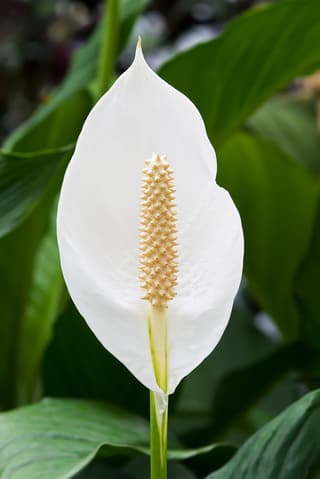
| Peace Lily | Easy | Low light | 4d | ⚠️ |
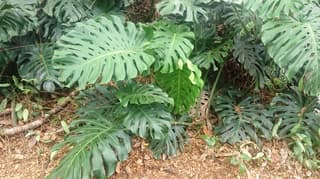
| Swiss Cheese Plant | Easy | Partial shade | 10d | ⚠️ |
| Golden Pothos | Easy | Low light | 8d | ⚠️ |
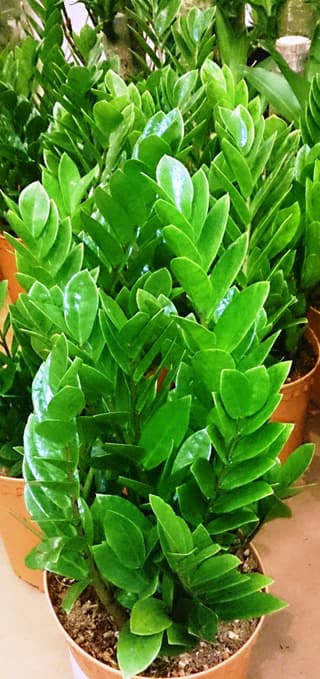
| ZZ Plant | Easy | Low light | 18d | ⚠️ |