Cactaceae
Prickly Pear (Opuntia ficus-indica): Complete Care Guide
Opuntia ficus-indica
An extremely low-maintenance plant that thrives on neglect. Requires full sun, sandy well-draining soil, and infrequent watering. Highly drought-tolerant once established. Overwatering is the most common cause of problems.
Every 21 days
Direct sun
-5° - 50°C
20% - 40%
Categories
What is Prickly Pear?
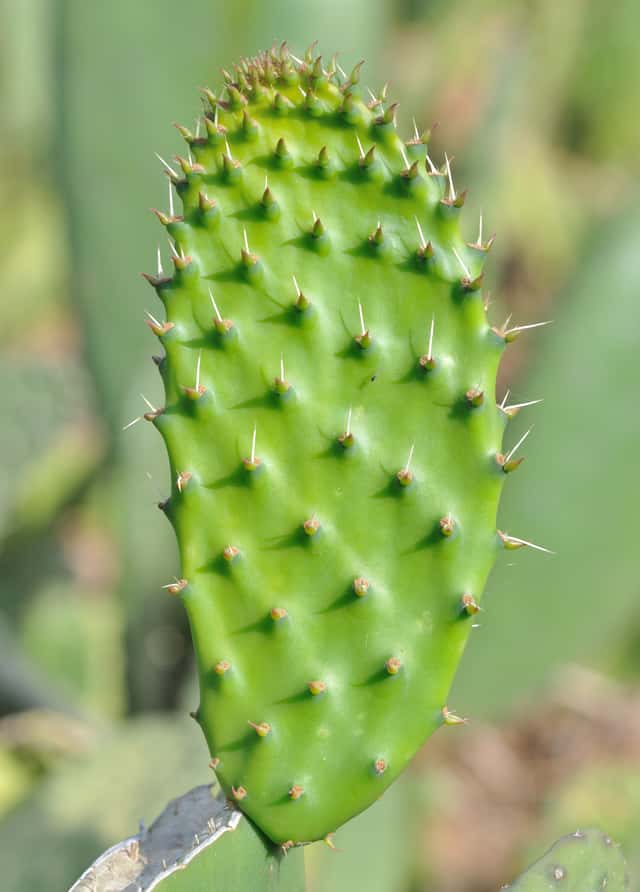
Prickly Pear (Opuntia ficus-indica) is a easy-care plant from the Cactaceae family. Opuntia ficus-indica, commonly known as prickly pear or Indian fig, is a large tree-like cactus native to Mexico. It features flattened stem segments called cladodes (pads) armed with clusters of tiny glochids. It produces showy yellow to orange-red flowers in spring and summer, followed by edible f...
Prickly Pear grows up to 4.6m, spread of 300cm, watering every 21 days, -5°C – 50°C, 20–40% humidity. It is not suitable for indoor environments and safe for pets.
Unlike many tropical plants, Prickly Pear tolerates watering mistakes. Best for beginners. Unlike many popular species, Prickly Pear is safe to keep around pets.
How to Care for Prickly Pear?
TLDR: Prickly Pear needs Direct sun, watering every 21 days, and temperatures between -5-50°C with 20-40% humidity.
How Often Should You Water Prickly Pear?
Water every 21 days in summer; reduce to once a month or less in winter. Always allow the soil to dry out completely between waterings. Use the soak-and-dry method. Never let water pool at the base.
How Much Light Does Prickly Pear Need?
Requires full direct sun for at least 6-8 hours daily. Best grown outdoors in a sunny location. Indoors it will struggle without very intense light from a south-facing window.
What Is the Best Soil for Prickly Pear?
Use cactus mix or a sandy, gritty, fast-draining soil. A 1:1 mix of coarse sand and cactus potting mix works well. Avoid clay or moisture-retaining soils. Ideal pH: 6.0-7.8.
What Pot Should You Use for Prickly Pear?
Terracotta or clay pot with large drainage holes. Low, wide containers accommodate lateral spread. Avoid plastic pots that retain moisture.
Care Schedule
Fertilize
Every 365 days
What Is Prickly Pear and Where Does It Come From?
Opuntia ficus-indica, commonly known as prickly pear or Indian fig, is a large tree-like cactus native to Mexico. It features flattened stem segments called cladodes (pads) armed with clusters of tiny glochids. It produces showy yellow to orange-red flowers in spring and summer, followed by edible fruits called tunas or prickly pears. One of the most economically important cacti in the world.
How to Propagate Prickly Pear?
Pad Cutting
Always wear thick gloves when handling to protect against glochids (tiny barbed bristles). Let the cut end callus fully before planting to prevent rot.
- 1 Cut a healthy, mature pad with sterilized pruning shears
- 2 Allow the cut pad to cure in a dry, well-ventilated spot for 1-2 weeks until a callus forms
- 3 Plant the calloused end 1/3 deep in cactus mix
- 4 Do not water for 2-3 weeks to encourage rooting
- 5 Once rooted, water moderately and place in full sun
Materials needed:
How Big Does Prickly Pear Grow?
TLDR: Prickly Pear can reach up to 4.6m tall with Fast growth rate.
Max height
4.6m
Spread
3.0m
Growth rate
Fast
Foliage
Evergreen
Plant Uses
Ornamental
Great for decoration
Edible
Can be consumed
Medicinal
Medicinal properties
Medicinal Uses
- Traditional Mexican medicine uses it to treat burns and inflammation
- Cladode extracts studied for hypoglycemic properties in diabetes management
- Used in folk remedies for lowering cholesterol and blood sugar
Culinary Uses
- Ripe fruits (tunas) eaten fresh, in juices, jams, syrups, and alcoholic drinks
- Young pads (nopalitos) eaten cooked in salads, scrambled eggs, and tacos
- Widely used in Mexican cuisine for over 3,000 years
Is your plant showing symptoms?
Click on the symptom to discover possible causes:
What Diseases Commonly Affect Prickly Pear?
TLDR: Prickly Pear is susceptible to 8 known diseases. Monitor regularly for early detection.
Root Rot
Root rot is a serious fungal disease that affects the root system of plants, causing them to decay and die. It is primarily caused by overwatering, poor drainage, or soil-borne fungi such as Pythium, Phytophthora, Rhizoctonia, and Fusarium. The disease thrives in waterlogged conditions where roots are deprived of oxygen, making them susceptible to fungal infection.
Overwatering
Overwatering occurs when plants receive too much water, depriving roots of oxygen and causing root rot. This environmental stress is one of the most common causes of houseplant death, as waterlogged soil prevents roots from breathing and functioning properly.
Scale Insects
Scale insects are small sap-sucking pests that appear as brown, shell-like bumps on plant stems and leaves. There are over 25 species, divided into armored (hard) and unarmored (soft) scales. They feed by piercing plant tissue and extracting sap, which weakens the plant and can lead to yellowing, stunted growth, and even death if left untreated. They also excrete honeydew, which attracts ants and promotes sooty mold growth.
Mealybugs
Mealybugs are small, soft-bodied insects covered with a white, waxy, cottony material. They are common pests of houseplants and outdoor plants in mild climates. These sap-sucking insects feed on plant tissue, causing damage, stunted growth, and can lead to plant death if left untreated. They produce sticky honeydew which attracts sooty mold.
Meaning & Symbolism
The prickly pear is Mexico's national symbol, featured on the country's flag. It represents endurance, protection, and resilience. The Aztecs considered it sacred, associating it with the sun and strength.
Fun Facts
Featured on the Mexican national flag — a symbol of the nation for centuries
Can live over 80 years and reach up to 5 meters (16 ft) in height
Aztecs were consuming its fruits over 3,000 years ago
It is the most commercially cultivated cactus species in the world
Frequently asked questions
How often should I water prickly pear?
Can prickly pear grow indoors?
Are prickly pear fruits edible?
Are glochids dangerous?
When does prickly pear flower?
Compare with similar plants
| Attribute | Difficulty | Light | Watering | Pet Safe |
|---|---|---|---|---|
| Field Maple | Easy | Bright indirect | 14d | ✓ |
| Silver Birch | Easy | Direct sun | 14d | ✓ |
| Cushion Bush | Easy | Direct sun | 14d | ✓ |
| Peruvian peppertree | Easy | Direct sun | 14d | ⚠️ |