Lamiaceae
Puriri (Vitex lucens) — New Zealand's Iconic Native Tree
Vitex lucens
Puriri is a low-maintenance tree suited to warm, frost-free gardens. Established trees are moderately drought tolerant. Plant in full sun with rich, well-draining soil. Water young trees regularly until established; mature trees need minimal supplemental watering.
Every 14 days
Bright indirect
5° - 35°C
50% - 80%
Categories
What is Puriri?
Puriri (Vitex lucens) is a easy-care plant from the Lamiaceae family. Puriri (Vitex lucens) is a majestic evergreen tree endemic to northern New Zealand. It can reach up to 20 metres tall with a massive spreading canopy, glossy palmate leaves, and tubular pink-to-red flowers that bloom year-round. It is one of New Zealand's most iconic native trees, providing critical...
Puriri grows up to 20.0m, spread of 1500cm, watering every 14 days, 5°C – 35°C, 50–80% humidity. It is not suitable for indoor environments and safe for pets.
Unlike many tropical plants, Puriri tolerates watering mistakes. Best for beginners. Unlike many popular species, Puriri is safe to keep around pets.
How to Care for Puriri?
TLDR: Puriri needs Bright indirect, watering every 14 days, and temperatures between 5-35°C with 50-80% humidity.
How Often Should You Water Puriri?
Water young puriri regularly for the first 2–3 years. Once established, water every 2 weeks in dry periods. Avoid waterlogged soil — root rot is the main risk. Water at the base, not overhead.
How Much Light Does Puriri Need?
Puriri thrives in full sun (6+ hours of direct sunlight daily). It tolerates partial shade but will flower and grow best in a bright, open position.
What Is the Best Soil for Puriri?
Plant in rich, deep, well-draining soil. Volcanic or fertile loamy soils are ideal. Add compost when planting to improve soil structure. Avoid heavy clay without amendment.
What Pot Should You Use for Puriri?
Puriri is an outdoor tree unsuitable for containers. In gardens, plant in open ground with adequate space for its spreading canopy.
Care Schedule
Fertilize
Every 90 days
What Is Puriri and Where Does It Come From?
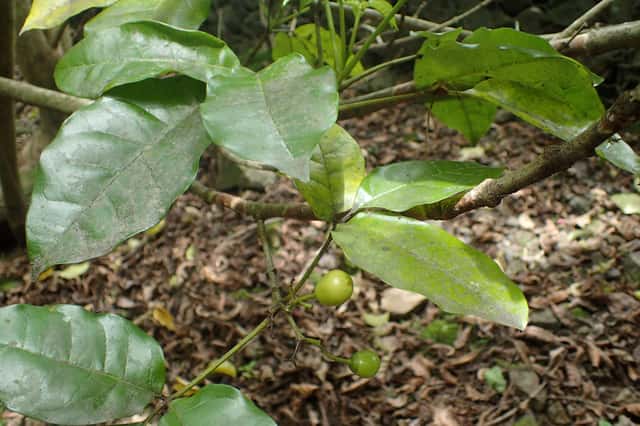
Puriri (Vitex lucens) is a majestic evergreen tree endemic to northern New Zealand. It can reach up to 20 metres tall with a massive spreading canopy, glossy palmate leaves, and tubular pink-to-red flowers that bloom year-round. It is one of New Zealand's most iconic native trees, providing critical food and habitat for native birds such as the kererū (native pigeon).
How to Propagate Puriri?
Seed Propagation
Fresh seed germinates best. Stratification is not required. Keep seedlings protected from frost until established.
- 1 Collect ripe red drupes from the tree
- 2 Remove flesh and clean seeds
- 3 Sow in well-draining seed mix, covering lightly
- 4 Keep moist and warm (18–22°C) until germination
- 5 Transplant seedlings when 10 cm tall
Materials needed:
Stem Cutting
Puriri cuttings are slow to root and success rates are variable. Bottom heat (20°C) significantly improves results.
- 1 Take semi-ripe cuttings 10–15 cm long in late spring or early summer
- 2 Remove lower leaves, retaining 2–3 at the tip
- 3 Dip cut end in rooting hormone powder
- 4 Insert into a moist, free-draining propagation mix
- 5 Maintain humidity with a plastic cover and bottom heat
Materials needed:
How Big Does Puriri Grow?
TLDR: Puriri can reach up to 20.0m tall with Slow growth rate.
Max height
20.0m
Spread
15.0m
Growth rate
Slow
Foliage
Evergreen
Plant Uses
Ornamental
Great for decoration
Medicinal
Medicinal properties
Medicinal Uses
- Leaf infusions were used in traditional Māori medicine to treat sprains, ulcers, and sore throats
- Bark and leaf preparations used for skin conditions
Is your plant showing symptoms?
Click on the symptom to discover possible causes:
What Diseases Commonly Affect Puriri?
TLDR: Puriri is susceptible to 5 known diseases. Monitor regularly for early detection.
Root Rot
Root rot is a serious fungal disease that affects the root system of plants, causing them to decay and die. It is primarily caused by overwatering, poor drainage, or soil-borne fungi such as Pythium, Phytophthora, Rhizoctonia, and Fusarium. The disease thrives in waterlogged conditions where roots are deprived of oxygen, making them susceptible to fungal infection.
Powdery Mildew
Powdery mildew is a common fungal disease caused by various fungi species including Erysiphe, Podosphaera, Oïdium, and Leveillula. It affects over 10,000 plant species worldwide. The disease thrives in warm, dry climates with high humidity and appears as a distinctive white powdery coating on plant surfaces.
Aphids
Aphids are small, soft-bodied, pear-shaped insects (1/16 to 1/8 inch long) that feed by sucking nutrient-rich sap from plants. They reproduce rapidly and can quickly weaken plants, causing distorted growth and transmitting plant viruses. Aphids come in various colors including green, black, red, yellow, brown, and gray. They secrete honeydew, a sticky substance that attracts ants and encourages sooty mold growth.
Mealybugs
Mealybugs are small, soft-bodied insects covered with a white, waxy, cottony material. They are common pests of houseplants and outdoor plants in mild climates. These sap-sucking insects feed on plant tissue, causing damage, stunted growth, and can lead to plant death if left untreated. They produce sticky honeydew which attracts sooty mold.
Meaning & Symbolism
In Māori tradition, the pūriri is a tree of spiritual significance — associated with burial rites and fashioned into funeral coronets. It symbolises endurance, strength, and the continuity of life.
Fun Facts
Puriri wood was so prized by the British that it was used to make the despatch boxes in the House of Commons.
A single puriri tree can be a critical food source for native birds during winter when other food is scarce.
The name 'pūriri' comes from Māori, and the species epithet 'lucens' means 'shining' — referring to the glossy appearance of its leaves.
Puriri fence posts have been documented to last over 50 years in the ground without treatment.
Frequently asked questions
How often should I water a puriri tree?
Can puriri grow in a pot or indoors?
Is puriri toxic to dogs or cats?
When does puriri flower?
How fast does a puriri tree grow?
Compare with similar plants
| Attribute | Difficulty | Light | Watering | Pet Safe |
|---|---|---|---|---|
| Field Maple | Easy | Bright indirect | 14d | ✓ |
| Silver Birch | Easy | Direct sun | 14d | ✓ |
| Cushion Bush | Easy | Direct sun | 14d | ✓ |
| Peruvian peppertree | Easy | Direct sun | 14d | ⚠️ |