Asteraceae
Purple Coneflower (Echinacea purpurea): Complete Care Guide
Echinacea purpurea
Purple Coneflower is one of the easiest perennials to grow. Plant in full sun with well-drained soil. Water regularly during the first season to establish roots, then reduce watering as the plant becomes drought-tolerant. Deadhead spent blooms to extend flowering, or leave seedheads for birds in winter. Divide clumps every 3-4 years to maintain vigor.
Every 14 days
Direct sun
-35° - 38°C
30% - 60%
Categories
What is Purple Coneflower?
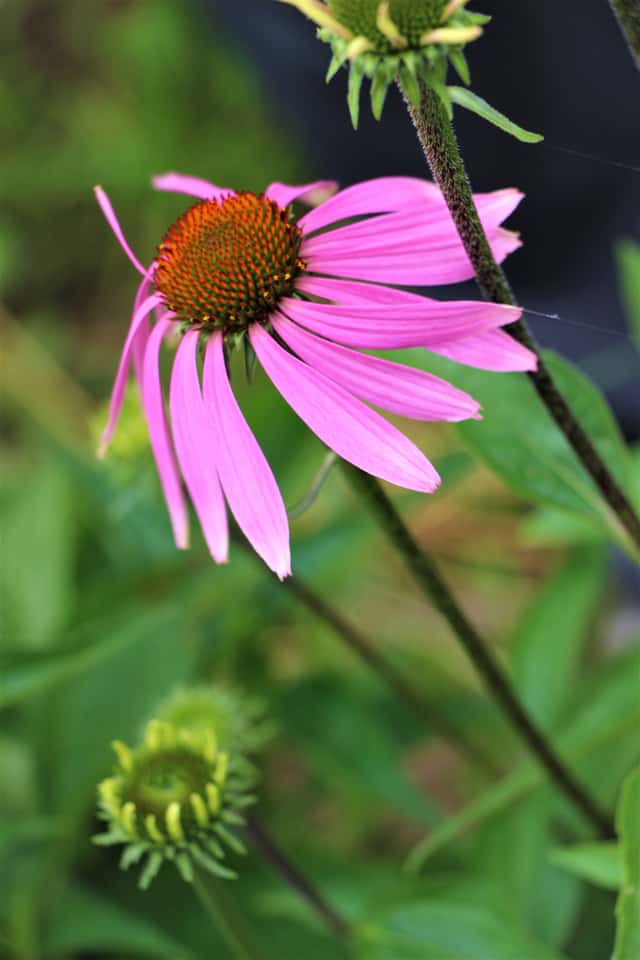
Purple Coneflower (Echinacea purpurea) is a easy-care plant from the Asteraceae family. Echinacea purpurea, commonly known as Purple Coneflower, is a striking native North American perennial that blooms prolifically from summer through fall. Its bold purple-pink daisy-like flowers with distinctive orange-brown spiny cones attract pollinators including bees, butterflies, and hummingbird...
Purple Coneflower grows up to 1.5m, with spread of 60cm, watering every 14 days, -35°C – 38°C, 30–60% humidity. It is not suitable for indoor environments and safe for pets.
Unlike many tropical plants, Purple Coneflower tolerates watering mistakes. Best for beginners. Unlike many popular species, Purple Coneflower is safe to keep around pets.
How to Care for Purple Coneflower?
TLDR: Purple Coneflower needs Direct sun, watering every 14 days, and temperatures between -35-38°C with 30-60% humidity.
How Often Should You Water Purple Coneflower?
Water new plants deeply once or twice per week during the first growing season. Once established (after year one), Echinacea is drought-tolerant and needs watering only during extended dry spells (every 2 weeks or less). Avoid overhead watering to reduce disease risk.
How Much Light Does Purple Coneflower Need?
Purple Coneflower thrives in full sun with at least 6 hours of direct sunlight daily. In very hot climates, light afternoon shade is acceptable, but deep shade will cause leggy growth, weak stems, and reduced flowering.
What Is the Best Soil for Purple Coneflower?
Prefers average, well-drained soil. Tolerates poor soil, clay, and sandy conditions as long as water does not pool around roots. Does not require rich, fertile soil — overly rich soil leads to weak, floppy stems. A slightly acidic to neutral pH (6.0-7.5) is ideal.
What Pot Should You Use for Purple Coneflower?
Terracotta or ceramic pots with drainage holes work well. Echinacea is primarily an outdoor plant and is not ideal for containers long-term, but can be grown in large pots (30cm+ diameter) with excellent drainage.
Care Schedule
Fertilize
Every 30 days
What Is Purple Coneflower and Where Does It Come From?
Echinacea purpurea, commonly known as Purple Coneflower, is a striking native North American perennial that blooms prolifically from summer through fall. Its bold purple-pink daisy-like flowers with distinctive orange-brown spiny cones attract pollinators including bees, butterflies, and hummingbirds. A resilient, low-maintenance plant, it thrives in full sun and well-drained soil, and is highly drought-tolerant once established. Widely valued both as an ornamental garden plant and as a traditional medicinal herb, Purple Coneflower has been used by Native American tribes for centuries.
How to Propagate Purple Coneflower?
Division
Divide every 3-4 years to refresh plants and prevent overcrowding.
- 1 Dig up the mature clump in early spring or fall
- 2 Divide the root mass into sections with healthy shoots
- 3 Replant at the same depth in well-drained soil
- 4 Water thoroughly and keep moist until established
Materials needed:
Seed Sowing
Direct sowing in fall mimics natural cold stratification. First blooms may take 2 years from seed.
- 1 Collect seeds from dried coneheads in late fall
- 2 Cold stratify seeds for 8-12 weeks in the refrigerator
- 3 Sow seeds on moist seed compost in late winter
- 4 Keep at 18-22C until germination
- 5 Transplant seedlings outdoors after last frost
Materials needed:
How Big Does Purple Coneflower Grow?
TLDR: Purple Coneflower can reach up to 1.5m tall with Medium growth rate.
Max height
1.5m
Spread
60cm
Growth rate
Medium
Foliage
Deciduous
Plant Uses
Ornamental
Great for decoration
Medicinal
Medicinal properties
Medicinal Uses
- Traditional immune-boosting herb used by Native Americans for centuries
- Used in herbal supplements and tinctures for cold and flu prevention
- May support immune function — consult a healthcare professional before use
Is your plant showing symptoms?
Click on the symptom to discover possible causes:
What Diseases Commonly Affect Purple Coneflower?
TLDR: Purple Coneflower is susceptible to 6 known diseases. Monitor regularly for early detection.
Powdery Mildew
Powdery mildew is a common fungal disease caused by various fungi species including Erysiphe, Podosphaera, Oïdium, and Leveillula. It affects over 10,000 plant species worldwide. The disease thrives in warm, dry climates with high humidity and appears as a distinctive white powdery coating on plant surfaces.
Root Rot
Root rot is a serious fungal disease that affects the root system of plants, causing them to decay and die. It is primarily caused by overwatering, poor drainage, or soil-borne fungi such as Pythium, Phytophthora, Rhizoctonia, and Fusarium. The disease thrives in waterlogged conditions where roots are deprived of oxygen, making them susceptible to fungal infection.
Anthracnose
Anthracnose is a fungal disease caused by fungi in the genus Colletotrichum that affects many plants, including vegetables, fruits, and trees. The disease thrives in cool, wet conditions, causing dark, sunken lesions on leaves, stems, flowers, and fruits.
Leaf Spot
Leaf spot is a common fungal disease caused by various pathogens including Alternaria, Ascochyta, Colletotrichum, Septoria, and Venturia. It primarily affects leaves, causing discolored spots that can lead to premature leaf drop if left untreated.
Meaning & Symbolism
Purple Coneflower symbolizes strength, healing, and resilience in North American folk tradition. It has long been a symbol of natural medicine and the healing power of nature, revered by Native American tribes across the Great Plains and eastern woodlands.
Fun Facts
Echinacea has been used medicinally by Native Americans for over 400 years
Purple Coneflower is one of the top-selling herbal supplements worldwide
Its spiny central cone gives the genus name Echinacea, from the Greek word for hedgehog
Seed heads left in winter provide vital food for goldfinches and seed-eating birds
Frequently asked questions
How often should I water Echinacea purpurea?
Does Purple Coneflower grow well in full shade?
Is Echinacea purpurea toxic to cats or dogs?
When does Purple Coneflower bloom?
How do I propagate Purple Coneflower?
Compare with similar plants
| Attribute | Difficulty | Light | Watering | Pet Safe |
|---|---|---|---|---|
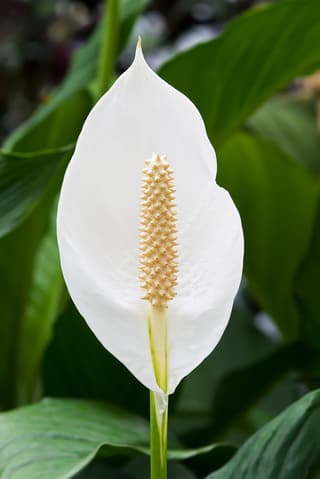
| Peace Lily | Easy | Low light | 4d | ⚠️ |
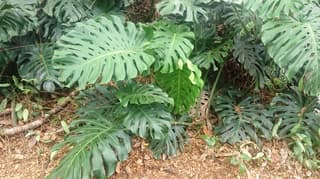
| Swiss Cheese Plant | Easy | Partial shade | 10d | ⚠️ |
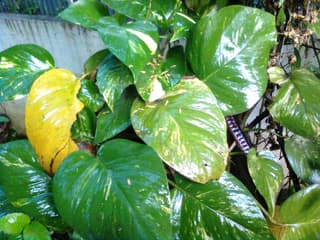
| Golden Pothos | Easy | Low light | 8d | ⚠️ |
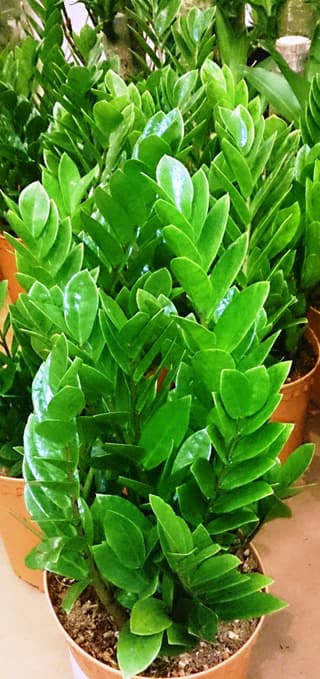
| ZZ Plant | Easy | Low light | 18d | ⚠️ |