Commelinaceae
Purple Heart (Tradescantia pallida): Complete Care Guide
Tradescantia pallida
A low-maintenance, resilient plant that thrives in bright light. Water moderately, use well-draining soil, and enjoy fast, lush purple growth. Suitable for both indoor and outdoor cultivation in warm regions.
Every 7 days
Bright indirect
10° - 27°C
40% - 60%
Categories
What is Purple Heart?
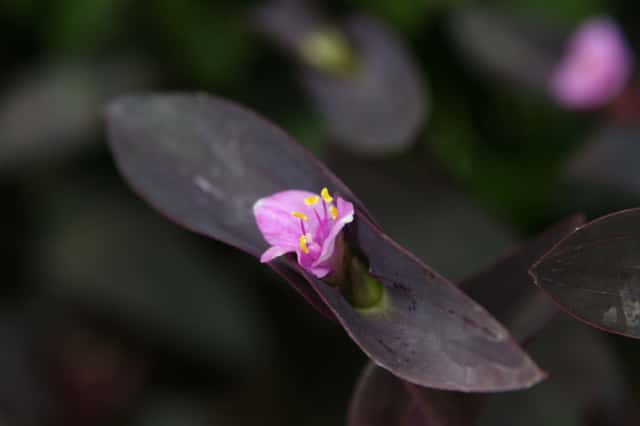
Purple Heart (Tradescantia pallida) is a easy-care plant from the Commelinaceae family. Purple Heart (Tradescantia pallida) is a fast-growing, trailing herbaceous perennial native to eastern Mexico, prized for its striking deep purple foliage and stems. It is equally at home as a houseplant, hanging basket specimen, or ground cover in warm-climate gardens.
Purple Heart grows up to 45cm, with spread of 60cm, watering every 7 days, 10°C – 27°C, 40–60% humidity. It is suitable for indoor environments and not safe for pets.
Unlike many tropical plants, Purple Heart tolerates watering mistakes. Best for beginners. Without precautions, ingestion can cause irritation in pets. Keep out of reach of cats and dogs. Without adequate drainage, root rot can develop within 14 days.
How to Care for Purple Heart?
TLDR: Purple Heart needs Bright indirect, watering every 7 days, and temperatures between 10-27°C with 40-60% humidity.
How Often Should You Water Purple Heart?
Water every 7 days or when the top inch of soil feels dry. In winter, reduce watering frequency significantly. Never let the plant sit in waterlogged soil to prevent root rot.
How Much Light Does Purple Heart Need?
Bright, indirect to direct light is ideal. A south or west-facing window works best indoors. Insufficient light causes leaves to lose their purple color and turn green.
What Is the Best Soil for Purple Heart?
Use a well-draining potting mix of potting soil, perlite, and peat moss. Soil pH should be between 6.0 and 7.0. Avoid heavy, compacted soils that retain moisture.
What Pot Should You Use for Purple Heart?
Terracotta or ceramic pots with drainage holes are ideal. For trailing displays, hanging baskets with lightweight potting mix work beautifully.
Care Schedule
Fertilize
Every 30 days
Rotate
Every 30 days
Repot
Every 365 days
What Is Purple Heart and Where Does It Come From?
Purple Heart (Tradescantia pallida) is a fast-growing, trailing herbaceous perennial native to eastern Mexico, prized for its striking deep purple foliage and stems. It is equally at home as a houseplant, hanging basket specimen, or ground cover in warm-climate gardens.
How to Propagate Purple Heart?
Stem Cutting
Purple Heart is one of the easiest plants to propagate. Any stem segment with a node can root successfully. Change water weekly if propagating in water.
- 1 Cut a healthy stem 4-6 inches long just below a leaf node
- 2 Remove lower leaves, leaving 2-3 at the top
- 3 Place cutting in water or moist, well-draining potting mix
- 4 Keep in bright indirect light
- 5 Transplant to a permanent pot once roots are 1-2 inches long
Materials needed:
How Big Does Purple Heart Grow?
TLDR: Purple Heart can reach up to 45cm tall with Fast growth rate.
Max height
45cm
Spread
60cm
Growth rate
Fast
Foliage
Evergreen
Warning: Toxic Plant
This plant can be toxic if ingested. Keep out of reach of:
Plant Uses
Ornamental
Great for decoration
Ground Cover
Soil coverage
Is your plant showing symptoms?
Click on the symptom to discover possible causes:
What Diseases Commonly Affect Purple Heart?
TLDR: Purple Heart is susceptible to 13 known diseases. Monitor regularly for early detection.
Root Rot
Root rot is a serious fungal disease that affects the root system of plants, causing them to decay and die. It is primarily caused by overwatering, poor drainage, or soil-borne fungi such as Pythium, Phytophthora, Rhizoctonia, and Fusarium. The disease thrives in waterlogged conditions where roots are deprived of oxygen, making them susceptible to fungal infection.
Overwatering
Overwatering occurs when plants receive too much water, depriving roots of oxygen and causing root rot. This environmental stress is one of the most common causes of houseplant death, as waterlogged soil prevents roots from breathing and functioning properly.
Low Light Stress
Low light stress, also known as etiolation, occurs when plants do not receive adequate light for proper growth and development. This leads to abnormal growth patterns characterized by elongated stems, pale leaves, and weakened overall structure as the plant attempts to reach toward available light sources.
Spider Mites
Spider mites are tiny arachnids (less than 1/20 inch long) related to spiders and ticks that feed on plant sap. They thrive in hot, dry conditions and can cause significant damage to ornamental and vegetable plants. During severe infestations, crop losses can reach 14% or higher as these pests disrupt vital plant processes including photosynthesis, carbon dioxide absorption, and transpiration.
Meaning & Symbolism
Symbolizes resilience and adaptability — a plant that thrives and displays beauty even in tough conditions.
Fun Facts
Native to eastern Mexico, it is now cultivated worldwide as an ornamental plant
The intense purple color comes from pigments called anthocyanins
It grows so vigorously it can become invasive in tropical climates
The small pink-purple flowers bloom between the leaves throughout spring and summer
Frequently asked questions
How often should I water Purple Heart?
Can Purple Heart grow indoors?
Is Purple Heart toxic to pets?
How do I keep the leaves purple?
How do I propagate Purple Heart?
Compare with similar plants
| Attribute | Difficulty | Light | Watering | Pet Safe |
|---|---|---|---|---|
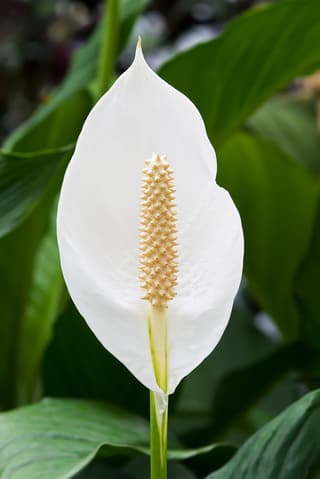
| Peace Lily | Easy | Low light | 4d | ⚠️ |
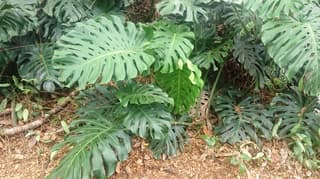
| Swiss Cheese Plant | Easy | Partial shade | 10d | ⚠️ |
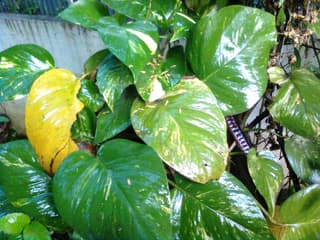
| Golden Pothos | Easy | Low light | 8d | ⚠️ |
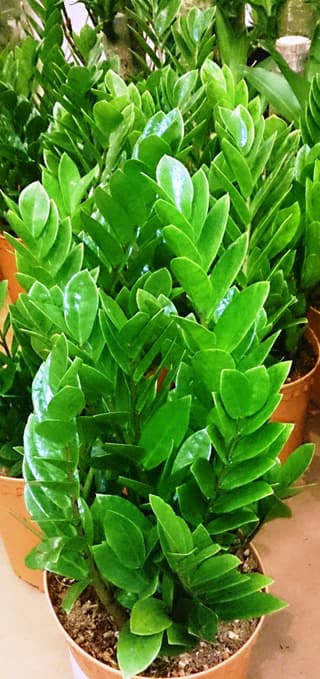
| ZZ Plant | Easy | Low light | 18d | ⚠️ |