Piperaceae
Red-Edge Peperomia (Peperomia clusiifolia): Complete Care Guide
Peperomia clusiifolia
An excellent choice for beginners, this plant thrives with minimal fuss. Provide bright, indirect light, well-draining soil, and allow it to dry slightly between waterings. It is drought-tolerant for short periods but dislikes sitting in wet soil. Fertilize monthly in spring and summer with a balanced liquid fertilizer at half strength.
Every 10 days
Partial shade
15° - 27°C
40% - 70%
Categories
What is Red-Edge Peperomia?
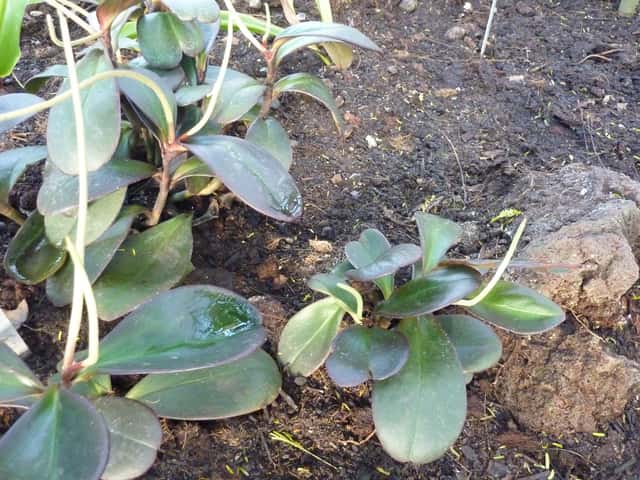
Red-Edge Peperomia (Peperomia clusiifolia) is a easy-care plant from the Piperaceae family. Peperomia clusiifolia, commonly known as Red-Edge Peperomia or Ginny Peperomia, is a tropical succulent-like houseplant from the family Piperaceae. Native to the tropical rainforests of Central America and the West Indies, it features thick, fleshy leaves with a striking tricolor pattern: deep green...
Red-Edge Peperomia grows up to 30cm, with spread of 30cm, watering every 10 days, 15°C – 27°C, 40–70% humidity. It is suitable for indoor environments and safe for pets.
Unlike many tropical plants, Red-Edge Peperomia tolerates watering mistakes. Best for beginners. Unlike many popular species, Red-Edge Peperomia is safe to keep around pets. Without adequate drainage, root rot can develop within 20 days.
How to Care for Red-Edge Peperomia?
TLDR: Red-Edge Peperomia needs Partial shade, watering every 10 days, and temperatures between 15-27°C with 40-70% humidity.
How Often Should You Water Red-Edge Peperomia?
Water every 7-10 days in spring and summer when the top inch of soil feels dry. Reduce to every 14-20 days in winter. Always empty the saucer after watering to prevent root rot — this is the most common cause of plant death in peperomias.
How Much Light Does Red-Edge Peperomia Need?
Place in bright, indirect light near an east or north-facing window. It can tolerate lower light but the vibrant leaf variegation will be less pronounced. Avoid direct sunlight, which can scorch the leaves and fade the colors.
What Is the Best Soil for Red-Edge Peperomia?
Use a light, well-draining potting mix — a blend of standard potting soil and perlite or coarse sand (2:1 ratio) works perfectly. Ensure the pot has drainage holes. Target soil pH of 6.0-7.0.
What Pot Should You Use for Red-Edge Peperomia?
Terracotta or ceramic pots with drainage holes are ideal. Choose a pot only slightly larger than the root ball — peperomias prefer being slightly root-bound. Avoid oversized containers that retain excess moisture.
Care Schedule
Fertilize
Every 30 days
Misting
Every 7 days
Rotate
Every 7 days
Repot
Every 730 days
What Is Red-Edge Peperomia and Where Does It Come From?
Peperomia clusiifolia, commonly known as Red-Edge Peperomia or Ginny Peperomia, is a tropical succulent-like houseplant from the family Piperaceae. Native to the tropical rainforests of Central America and the West Indies, it features thick, fleshy leaves with a striking tricolor pattern: deep green centers, cream margins, and vivid pink-to-red leaf edges. This compact, slow-growing plant is beloved for its ornamental foliage, easy care requirements, and complete non-toxicity to pets and humans.
How Big Does Red-Edge Peperomia Grow?
TLDR: Red-Edge Peperomia can reach up to 30cm tall with Slow growth rate.
Max height
30cm
Spread
30cm
Growth rate
Slow
Foliage
Evergreen
Plant Uses
Ornamental
Great for decoration
Air Purifying
Improves air quality
Is your plant showing symptoms?
Click on the symptom to discover possible causes:
What Diseases Commonly Affect Red-Edge Peperomia?
TLDR: Red-Edge Peperomia is susceptible to 9 known diseases. Monitor regularly for early detection.
Root Rot
Root rot is a serious fungal disease that affects the root system of plants, causing them to decay and die. It is primarily caused by overwatering, poor drainage, or soil-borne fungi such as Pythium, Phytophthora, Rhizoctonia, and Fusarium. The disease thrives in waterlogged conditions where roots are deprived of oxygen, making them susceptible to fungal infection.
Pythium Root Rot
Pythium root rot is a serious fungal disease caused by various Pythium species including P. aphanidermatum, P. ultimum, and P. irregulare. These water molds are present in practically all cultivated soils and attack plant roots under wet conditions, causing rapid wet rot that can extend into the stem. The disease is favored by poor drainage, overwatering, and specific temperatures depending on the species.
Overwatering
Overwatering occurs when plants receive too much water, depriving roots of oxygen and causing root rot. This environmental stress is one of the most common causes of houseplant death, as waterlogged soil prevents roots from breathing and functioning properly.
Mealybugs
Mealybugs are small, soft-bodied insects covered with a white, waxy, cottony material. They are common pests of houseplants and outdoor plants in mild climates. These sap-sucking insects feed on plant tissue, causing damage, stunted growth, and can lead to plant death if left untreated. They produce sticky honeydew which attracts sooty mold.
Meaning & Symbolism
Represents resilience and adaptability; its colorful variegated leaves symbolize the beauty found in diversity.
Fun Facts
Red-Edge Peperomia is completely non-toxic, making it one of the safest houseplants for homes with cats and dogs.
Peperomia belongs to the Piperaceae family — the same family as black pepper (Piper nigrum).
The thick, fleshy leaves store water, making this plant more drought-tolerant than most tropical houseplants.
With over 1,000 species, Peperomia is one of the largest genera of flowering plants.
The Ginny cultivar (Peperomia clusiifolia 'Ginny') is the most popular form, prized for its vibrant pink and cream variegation.
Frequently asked questions
Is Red-Edge Peperomia toxic to cats and dogs?
How often should I water my peperomia?
Why are my peperomia leaves drooping?
Can I grow Red-Edge Peperomia in low light?
Compare with similar plants
| Attribute | Difficulty | Light | Watering | Pet Safe |
|---|---|---|---|---|
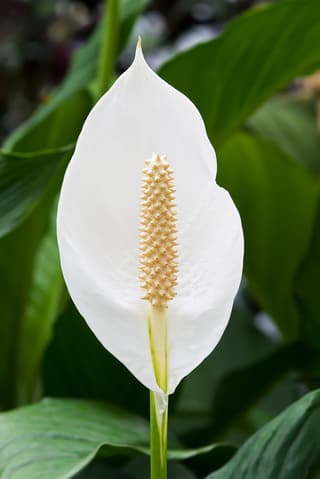
| Peace Lily | Easy | Low light | 4d | ⚠️ |
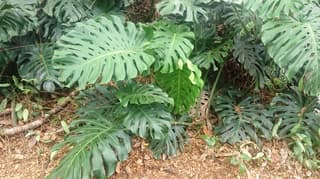
| Swiss Cheese Plant | Easy | Partial shade | 10d | ⚠️ |
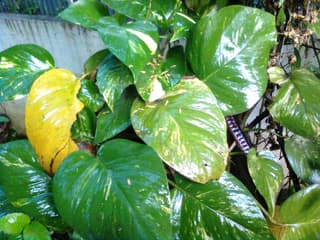
| Golden Pothos | Easy | Low light | 8d | ⚠️ |
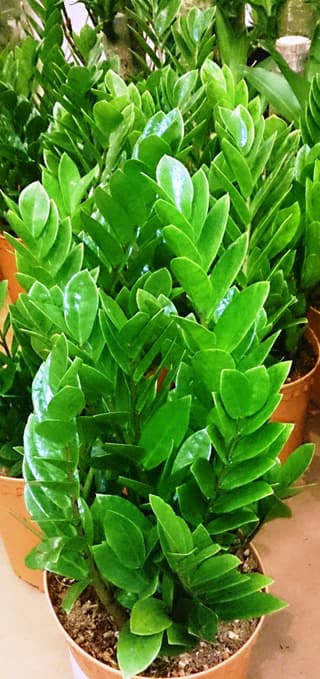
| ZZ Plant | Easy | Low light | 18d | ⚠️ |