Cactaceae
Mistletoe Cactus: Pet-Safe Plant
Rhipsalis
Low-maintenance indoor plant. Prefers bright indirect light, moderate watering every 7–14 days (letting the top inch of soil dry between waterings), humidity 50–70%, temperatures 10–27 °C, and a very light airy potting mix. Misting stems 2–3 times per week mimics its native forest environment. Fertilize monthly in spring/summer. Repot every 2 years. Ideal for hanging baskets and elevated planters.
Every 10 days
Partial shade
10° - 27°C
50% - 70%
Categories
What is Mistletoe Cactus?
Mistletoe Cactus (Rhipsalis) is a easy-care plant from the Cactaceae family. Rhipsalis is a genus of epiphytic tropical cacti native to the rainforests of Central and South America, with a few species found in Africa and Sri Lanka — the only cacti native outside the Americas. Unlike desert cacti, Rhipsalis grows on trees and rocks in humid tropical forests, thriving under fi...
Mistletoe Cactus grows up to 1.8m, spread of 60cm, watering every 10 days, 10°C – 27°C, 50–70% humidity. It is suitable for indoor environments and safe for pets.
Unlike many tropical plants, Mistletoe Cactus tolerates watering mistakes. Best for beginners. Unlike many popular species, Mistletoe Cactus is safe to keep around pets. Without adequate drainage, root rot can develop within 20 days.
How to Care for Mistletoe Cactus?
TLDR: Mistletoe Cactus needs Partial shade, watering every 10 days, and temperatures between 10-27°C with 50-70% humidity.
How Often Should You Water Mistletoe Cactus?
Water every 7–14 days in spring/summer, allowing the top 2–3 cm of soil to dry before watering again. Reduce to once per week or less in autumn/winter. Never let it sit in waterlogged soil — root rot is the most common issue. Prefer rainwater or filtered water; sensitive to chlorine and fluoride in tap water.
How Much Light Does Mistletoe Cactus Need?
Place in bright indirect light or dappled shade — an east or north-facing window with a sheer curtain is ideal. Tolerates lower light levels better than most cacti. Avoid strong direct sun, especially in summer, which scorches the delicate stems. Think filtered forest canopy light.
What Is the Best Soil for Mistletoe Cactus?
Use a very light, airy mix similar to orchid potting mix: combine pine bark, perlite, and a little coco coir or peat. Avoid heavy garden soil — epiphytic roots cannot tolerate compaction. Ideal pH is 5.5–6.5 (slightly acidic). Always use pots with drainage holes.
What Pot Should You Use for Mistletoe Cactus?
Hanging baskets, macramé hangers, or elevated pots to showcase the trailing stems. Terracotta or ceramic pots with drainage holes allow good airflow around roots and proper substrate drying. Avoid plastic pots without drainage.
Care Schedule
Fertilize
Every 30 days
Misting
Every 4 days
Repot
Every 730 days
What Is Mistletoe Cactus and Where Does It Come From?
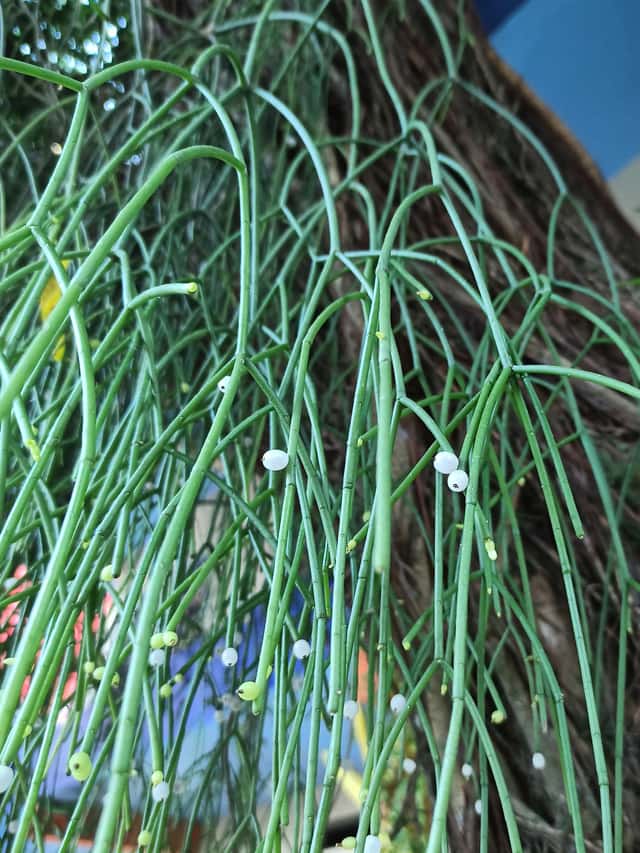
Rhipsalis is a genus of epiphytic tropical cacti native to the rainforests of Central and South America, with a few species found in Africa and Sri Lanka — the only cacti native outside the Americas. Unlike desert cacti, Rhipsalis grows on trees and rocks in humid tropical forests, thriving under filtered light with regular moisture and high humidity. Its slender, pendulous, segmented stems resemble spaghetti or mistletoe strands, giving rise to its most popular common names. It produces small white or cream flowers in late winter to spring, followed by translucent pearl-like berries. Exceptionally long-lived (25+ years), and confirmed non-toxic to cats, dogs, and humans by the ASPCA.
How Big Does Mistletoe Cactus Grow?
TLDR: Mistletoe Cactus can reach up to 1.8m tall with Slow growth rate.
Max height
1.8m
Spread
60cm
Growth rate
Slow
Foliage
Evergreen
Plant Uses
Ornamental
Great for decoration
Is your plant showing symptoms?
Click on the symptom to discover possible causes:
What Diseases Commonly Affect Mistletoe Cactus?
TLDR: Mistletoe Cactus is susceptible to 10 known diseases. Monitor regularly for early detection.
Root Rot
Root rot is a serious fungal disease that affects the root system of plants, causing them to decay and die. It is primarily caused by overwatering, poor drainage, or soil-borne fungi such as Pythium, Phytophthora, Rhizoctonia, and Fusarium. The disease thrives in waterlogged conditions where roots are deprived of oxygen, making them susceptible to fungal infection.
Overwatering
Overwatering occurs when plants receive too much water, depriving roots of oxygen and causing root rot. This environmental stress is one of the most common causes of houseplant death, as waterlogged soil prevents roots from breathing and functioning properly.
Mealybugs
Mealybugs are small, soft-bodied insects covered with a white, waxy, cottony material. They are common pests of houseplants and outdoor plants in mild climates. These sap-sucking insects feed on plant tissue, causing damage, stunted growth, and can lead to plant death if left untreated. They produce sticky honeydew which attracts sooty mold.
Scale Insects
Scale insects are small sap-sucking pests that appear as brown, shell-like bumps on plant stems and leaves. There are over 25 species, divided into armored (hard) and unarmored (soft) scales. They feed by piercing plant tissue and extracting sap, which weakens the plant and can lead to yellowing, stunted growth, and even death if left untreated. They also excrete honeydew, which attracts ants and promotes sooty mold growth.
Meaning & Symbolism
Rhipsalis symbolizes adaptability, resilience, and connection to nature. Growing epiphytically on trees without parasitizing its host, it represents elegant independence and harmony. Its exceptional longevity and ability to thrive in challenging conditions associate it with perseverance and quiet strength.
Compare with similar plants
| Attribute | Difficulty | Light | Watering | Pet Safe |
|---|---|---|---|---|
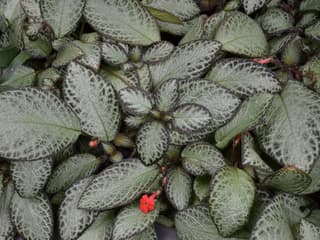
| Flame Violet | Easy | Partial shade | 7d | ✓ |
| Prickly Lettuce | Easy | Direct sun | 7d | ✓ |
| Christmas Tree Plant | Easy | Bright indirect | 10d | ⚠️ |
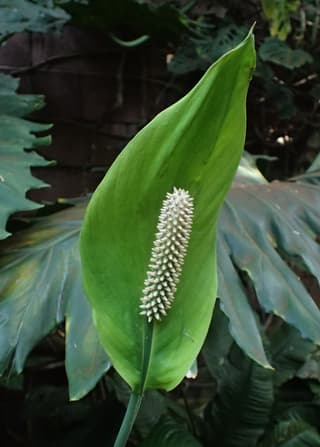
| Peace Lily | Easy | Low light | 7d | ⚠️ |
Choose & Compare
Sources & References
- Rhipsalis Care – How To Grow Mistletoe Cactus - Smart Garden Guide
- Mistletoe Cactus (Rhipsalis baccifera) Care Guide - OurHouseplants
- How to care for the tropical, trailing rhipsalis mistletoe cactus
- Our Care Guide for Rhipsalis - UK Houseplants
- Mistletoe Cactus (Rhipsalis baccifera) - Gardenia.net
- Guia do Cacto-Macarrão (Rhipsalis) - Meu Canto Verde