Cannabaceae
Common Hackberry (Celtis occidentalis)
Celtis occidentalis
An exceptionally adaptable shade tree that thrives in full sun and tolerates drought, wind, pollution, compacted soil and a wide pH range. Fast-growing and low-maintenance once established; ideal for streets, parks and large gardens.
Every 14 days
Direct sun
-40° - 38°C
30% - 80%
Categories
What is Common hackberry?
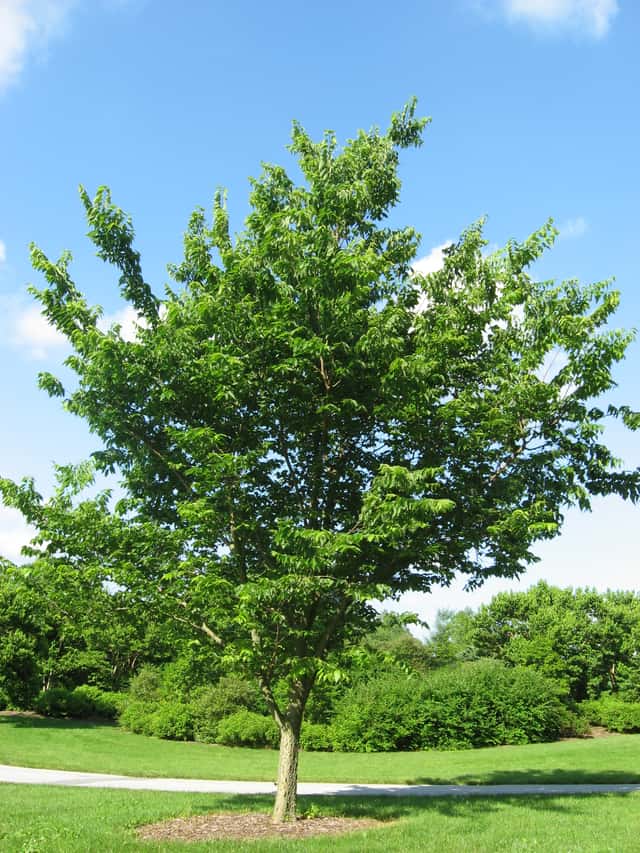
Common hackberry (Celtis occidentalis) is a easy-care plant from the Cannabaceae family. Celtis occidentalis is a tough, medium-to-large deciduous tree native to central and eastern North America, reaching 12-18 m. It is prized as a resilient urban and shade tree, with distinctive warty, corky gray bark, arching branches and small edible purple drupes relished by birds.
Common hackberry grows up to 22.9m, spread of 1372cm, watering every 14 days, -40°C – 38°C, 30–80% humidity. It is not suitable for indoor environments and safe for pets.
Unlike many tropical plants, Common hackberry tolerates watering mistakes. Best for beginners. Unlike many popular species, Common hackberry is safe to keep around pets.
How to Care for Common hackberry?
TLDR: Common hackberry needs Direct sun, watering every 14 days, and temperatures between -40-38°C with 30-80% humidity.
How Often Should You Water Common hackberry?
Water young trees regularly for the first two or three years to establish deep roots; mature trees are highly drought tolerant and rarely need irrigation except in prolonged dry spells.
How Much Light Does Common hackberry Need?
Plant in full sun for best form and growth. It tolerates partial shade but develops a denser, stronger canopy in open, sunny sites.
What Is the Best Soil for Common hackberry?
Adapts to almost any soil including sandy, loamy, clay, rocky and alkaline ground; prefers moist, well-drained loam but withstands both occasional flooding and drought.
What Pot Should You Use for Common hackberry?
A large landscape tree, not suited to long-term pot culture; only young saplings can be containerised briefly before planting out in deep, open ground.
Care Schedule
Fertilize
Every 90 days
Misting
Every 3 days
Rotate
Every 7 days
What Is Common hackberry and Where Does It Come From?
Celtis occidentalis is a tough, medium-to-large deciduous tree native to central and eastern North America, reaching 12-18 m. It is prized as a resilient urban and shade tree, with distinctive warty, corky gray bark, arching branches and small edible purple drupes relished by birds.
How to Propagate Common hackberry?
How Big Does Common hackberry Grow?
TLDR: Common hackberry can reach up to 22.9m tall with Fast growth rate.
Max height
22.9m
Spread
13.7m
Growth rate
Fast
Foliage
Deciduous
Plant Uses
Ornamental
Great for decoration
Edible
Can be consumed
Culinary Uses
- Small sweet purple drupes eaten fresh out of hand
- Berries used in traditional preserves, baked goods and as a flavouring
Is your plant showing symptoms?
Click on the symptom to discover possible causes:
What Diseases Commonly Affect Common hackberry?
TLDR: Common hackberry is susceptible to 5 known diseases. Monitor regularly for early detection.
Powdery Mildew
Powdery mildew is a common fungal disease caused by various fungi species including Erysiphe, Podosphaera, Oïdium, and Leveillula. It affects over 10,000 plant species worldwide. The disease thrives in warm, dry climates with high humidity and appears as a distinctive white powdery coating on plant surfaces.
Leaf Spot
Leaf spot is a common fungal disease caused by various pathogens including Alternaria, Ascochyta, Colletotrichum, Septoria, and Venturia. It primarily affects leaves, causing discolored spots that can lead to premature leaf drop if left untreated.
Scale Insects
Scale insects are small sap-sucking pests that appear as brown, shell-like bumps on plant stems and leaves. There are over 25 species, divided into armored (hard) and unarmored (soft) scales. They feed by piercing plant tissue and extracting sap, which weakens the plant and can lead to yellowing, stunted growth, and even death if left untreated. They also excrete honeydew, which attracts ants and promotes sooty mold growth.
Aphids
Aphids are small, soft-bodied, pear-shaped insects (1/16 to 1/8 inch long) that feed by sucking nutrient-rich sap from plants. They reproduce rapidly and can quickly weaken plants, causing distorted growth and transmitting plant viruses. Aphids come in various colors including green, black, red, yellow, brown, and gray. They secrete honeydew, a sticky substance that attracts ants and encourages sooty mold growth.
Meaning & Symbolism
Resilience, endurance and shelter — a long-lived tree associated with provision and steadfastness.
Fun Facts
Its warty, corky bark makes hackberry one of the easiest native trees to identify in winter.
The sweet berries are among the most nutritious wild fruits and were a staple food for many Indigenous peoples.
Frequently asked questions
Is common hackberry messy?
How fast does it grow?
Compare with similar plants
| Attribute | Difficulty | Light | Watering | Pet Safe |
|---|---|---|---|---|
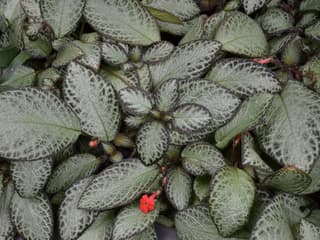
| Flame Violet | Easy | Partial shade | 7d | ✓ |
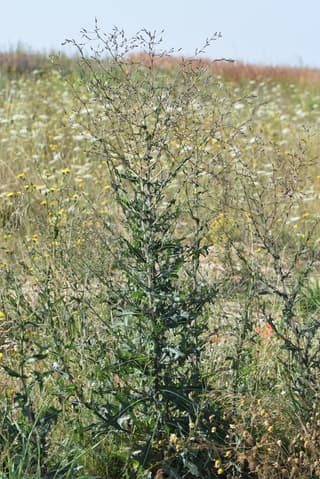
| Prickly Lettuce | Easy | Direct sun | 7d | ✓ |
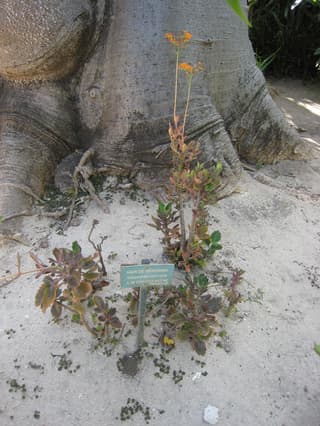
| Christmas Tree Plant | Easy | Bright indirect | 10d | ⚠️ |
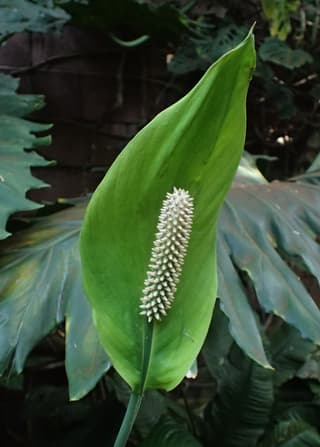
| Peace Lily | Easy | Low light | 7d | ⚠️ |