Cupressaceae
Western red cedar: Fast Growing
Thuja plicata
A frost-hardy and easy-to-grow plant. It requires a sunny location and consistently moist, fertile soil with a slightly acidic pH.
Every 7 days
Bright indirect
-30° - 35°C
40% - 85%
Categories
What is Western red cedar?
Western red cedar (Thuja plicata) is a easy-care plant from the Cupressaceae family. The Western red cedar is a massive coniferous tree in the cypress family, native to western North America. It is characterized by a dense, conical crown and aromatic, scale-like leaves that emit a pineapple-like scent when crushed. It is an exceptionally long-lived and hardy species, often used in l...
Western red cedar grows up to 40.0m, spread of 1000cm, watering every 7 days, -30°C – 35°C, 40–85% humidity. It is not suitable for indoor environments and not safe for pets.
Unlike many tropical plants, Western red cedar tolerates watering mistakes. Best for beginners. Without precautions, ingestion can cause irritation in pets. Keep out of reach of cats and dogs.
How to Care for Western red cedar?
TLDR: Western red cedar needs Bright indirect, watering every 7 days, and temperatures between -30-35°C with 40-85% humidity.
How Often Should You Water Western red cedar?
Water regularly to keep the soil consistently moist. Young trees are sensitive to the root ball drying out.
How Much Light Does Western red cedar Need?
Grows best in full sun, which ensures a dense habit, but it also tolerates light partial shade.
What Is the Best Soil for Western red cedar?
Prefers deep, fertile, and well-drained soils; avoid very sandy and dry soils.
What Pot Should You Use for Western red cedar?
Planting directly into the ground is recommended due to the eventual size of the root system.
Care Schedule
Fertilize
Every 60 days
What Is Western red cedar and Where Does It Come From?
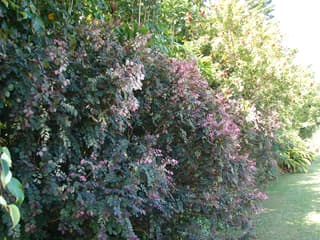
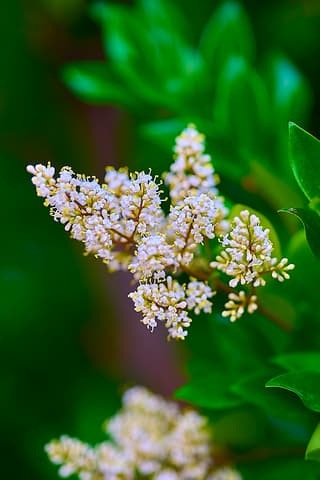
The Western red cedar is a massive coniferous tree in the cypress family, native to western North America. It is characterized by a dense, conical crown and aromatic, scale-like leaves that emit a pineapple-like scent when crushed. It is an exceptionally long-lived and hardy species, often used in landscaping for tall hedges and as a specimen tree.
How to Propagate Western red cedar?
Stem cuttings
- Maintain a constant substrate temperature of about 20°C (68°F)
- Mist the cuttings regularly
- 1 Taking cuttings
Cut woody or semi-woody stems about 10-15 cm long with a heel.
- 2 Preparation
Remove the lower needles and dip the end in rooting hormone.
- 3 Planting
Place in a mixture of peat and sand, ensuring high humidity.
Materials needed:
How Big Does Western red cedar Grow?
TLDR: Western red cedar can reach up to 40.0m tall with Fast growth rate.
Max height
40.0m
Spread
10.0m
Growth rate
Fast
Foliage
Evergreen
Warning: Toxic Plant
This plant can be toxic if ingested. Keep out of reach of:
Plant Uses
Ornamental
Great for decoration
Medicinal Uses
- The essential oil has antiseptic properties
- Traditionally used to treat respiratory infections
Is your plant showing symptoms?
Click on the symptom to discover possible causes:
Meaning & Symbolism
In Native American cultures, it is considered the 'Tree of Life,' symbolizing protection and healing.
Compare with similar plants
| Attribute | Difficulty | Light | Watering | Pet Safe |
|---|---|---|---|---|
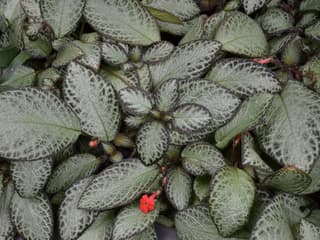
| Flame Violet | Easy | Partial shade | 7d | ✓ |
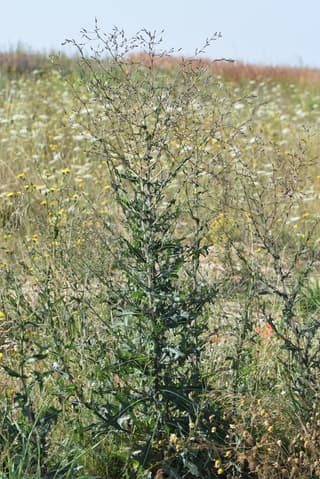
| Prickly Lettuce | Easy | Direct sun | 7d | ✓ |
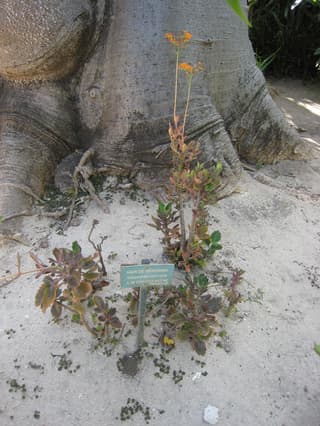
| Christmas Tree Plant | Easy | Bright indirect | 10d | ⚠️ |
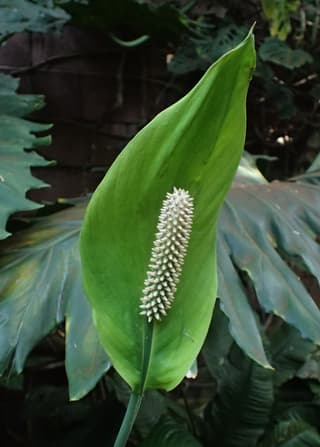
| Peace Lily | Easy | Low light | 7d | ⚠️ |