Vitaceae
Riverbank Grape (Vitis riparia): Complete Growing Guide
Vitis riparia
Plant in full sun with well-drained soil and water deeply once weekly. Reduce watering in winter dormancy. Prune hard in late winter to manage vigour. Exceptionally cold-hardy to -35 °C and naturally resistant to many diseases, requiring minimal maintenance once established.
Every 7 days
Direct sun
-35° - 38°C
30% - 60%
Categories
What is Riverbank Grape?
Riverbank Grape (Vitis riparia) is a easy-care plant from the Vitaceae family. Vitis riparia, commonly known as Riverbank Grape or Frost Grape, is a vigorous deciduous climbing vine native to North America, ranging from Canada through the central United States. It thrives along riverbanks, forest edges, and rocky slopes, climbing trees and structures to heights exceeding 20 me...
Riverbank Grape grows up to 15.0m, spread of 600cm, watering every 7 days, -35°C – 38°C, 30–60% humidity. It is not suitable for indoor environments and not safe for pets.
Unlike many tropical plants, Riverbank Grape tolerates watering mistakes. Best for beginners. Without precautions, ingestion can cause irritation in pets. Keep out of reach of cats and dogs.
How to Care for Riverbank Grape?
TLDR: Riverbank Grape needs Direct sun, watering every 7 days, and temperatures between -35-38°C with 30-60% humidity.
How Often Should You Water Riverbank Grape?
Water deeply once a week during the growing season, allowing the soil to dry slightly between waterings. In winter, when the vine is dormant, reduce watering to once a month or whenever the soil feels very dry. Avoid waterlogging, which can promote root rot.
How Much Light Does Riverbank Grape Need?
Thrives in full sun — a minimum of 6 hours of direct sunlight per day is required for best fruiting. Tolerates partial shade but produces fewer berries and less vigorous growth in shadier spots. A south- or west-facing position is ideal.
What Is the Best Soil for Riverbank Grape?
Adaptable to most soil types — loamy, sandy, or clay — as long as drainage is adequate. Prefers a pH of 5.5–7.5. Amend heavy soils with compost or grit to improve drainage. Tolerates poor, rocky soils remarkably well.
What Pot Should You Use for Riverbank Grape?
Terracotta pot or strong trellis/pergola for outdoor climbing. Provide a robust support structure as mature vines are extremely vigorous and heavy.
Care Schedule
Fertilize
Every 30 days
What Is Riverbank Grape and Where Does It Come From?
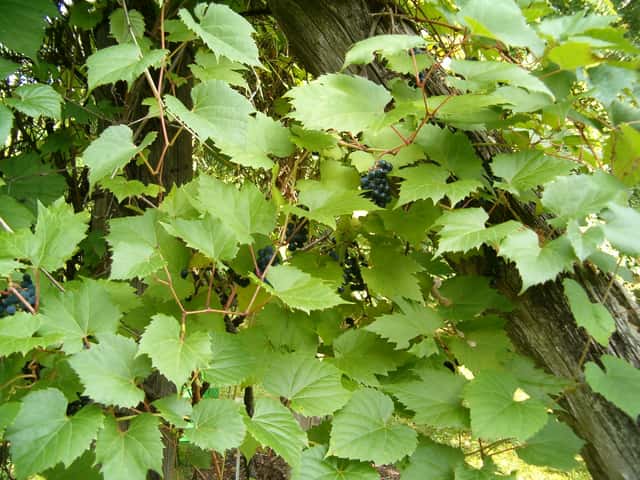
Vitis riparia, commonly known as Riverbank Grape or Frost Grape, is a vigorous deciduous climbing vine native to North America, ranging from Canada through the central United States. It thrives along riverbanks, forest edges, and rocky slopes, climbing trees and structures to heights exceeding 20 metres. In autumn, its heart-shaped lobed leaves turn golden-yellow, while its clusters of small, dark-blue berries — sweetened after the first frost — provide vital food for wildlife and are used by foragers for juices, jellies, and wine.
How to Propagate Riverbank Grape?
Hardwood cutting
Winter is the ideal time when the plant is dormant. Cuttings with at least 3 buds show the highest rooting success rates.
- 1 Take 20-30 cm hardwood cuttings in winter (December–February) with 2-3 buds each.
- 2 Soak the base in water for 24 hours to rehydrate, then dip in rooting hormone powder.
- 3 Plant cuttings in moist sandy compost, burying two-thirds of their length.
- 4 Keep in a sheltered, moist environment until budbreak (4-6 weeks).
- 5 Transplant to a permanent position after roots develop.
Materials needed:
Seed propagation
Cold stratification is essential to break seed dormancy. Soak seeds in water for 24 hours before stratifying.
- 1 Cold-stratify seeds in the refrigerator for 60-90 days before sowing.
- 2 Sow in moist, well-drained compost in spring.
- 3 Keep at 18-22 °C in a well-lit spot.
- 4 Seedlings emerge within 2-4 weeks of sowing.
Materials needed:
How Big Does Riverbank Grape Grow?
TLDR: Riverbank Grape can reach up to 15.0m tall with Fast growth rate.
Max height
15.0m
Spread
6.0m
Growth rate
Fast
Foliage
Deciduous
Warning: Toxic Plant
This plant can be toxic if ingested. Keep out of reach of:
Plant Uses
Ornamental
Great for decoration
Edible
Can be consumed
Culinary Uses
- Berries edible fresh or processed into juices, jellies, and homemade wine
- Young leaves used as culinary wrappers (like dolmades)
- Sweet spring sap consumed as a drink
- Young tendrils and shoots eaten raw or cooked
Is your plant showing symptoms?
Click on the symptom to discover possible causes:
What Diseases Commonly Affect Riverbank Grape?
TLDR: Riverbank Grape is susceptible to 10 known diseases. Monitor regularly for early detection.
Powdery Mildew
Powdery mildew is a common fungal disease caused by various fungi species including Erysiphe, Podosphaera, Oïdium, and Leveillula. It affects over 10,000 plant species worldwide. The disease thrives in warm, dry climates with high humidity and appears as a distinctive white powdery coating on plant surfaces.
Downy Mildew
Downy mildew is a fungal-like disease caused by oomycetes (water molds) that thrives in cool, wet conditions. It affects a wide range of plants, causing yellowing leaves with fuzzy white-gray growth underneath, leading to defoliation and reduced yields if left untreated.
Aphids
Aphids are small, soft-bodied, pear-shaped insects (1/16 to 1/8 inch long) that feed by sucking nutrient-rich sap from plants. They reproduce rapidly and can quickly weaken plants, causing distorted growth and transmitting plant viruses. Aphids come in various colors including green, black, red, yellow, brown, and gray. They secrete honeydew, a sticky substance that attracts ants and encourages sooty mold growth.
Spider Mites
Spider mites are tiny arachnids (less than 1/20 inch long) related to spiders and ticks that feed on plant sap. They thrive in hot, dry conditions and can cause significant damage to ornamental and vegetable plants. During severe infestations, crop losses can reach 14% or higher as these pests disrupt vital plant processes including photosynthesis, carbon dioxide absorption, and transpiration.
Meaning & Symbolism
A symbol of wildness, freedom, and resilience. The Riverbank Grape embodies the untamed vitality of riparian landscapes, persisting and flourishing where few cultivated plants dare to grow.
Fun Facts
Vitis riparia is one of the world's most cold-hardy grapevines, surviving temperatures as low as -35 °C.
Its phylloxera-resistant rootstock saved European vineyards in the 19th century after the devastating phylloxera epidemic wiped out millions of acres of vines.
The berries become noticeably sweeter after the first frost — wildlife time their feasting accordingly.
A single mature vine can cover over 200 m² of pergola, creating dense natural shade and shelter for birds.
Frequently asked questions
How often should I water Riverbank Grape?
Is Riverbank Grape toxic to pets?
When should I prune Riverbank Grape?
Are the berries of Vitis riparia edible for humans?
How cold-hardy is Vitis riparia?
Compare with similar plants
| Attribute | Difficulty | Light | Watering | Pet Safe |
|---|---|---|---|---|
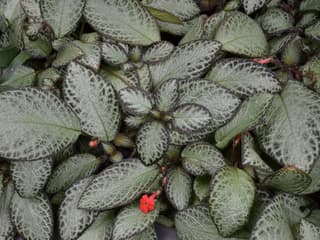
| Flame Violet | Easy | Partial shade | 7d | ✓ |
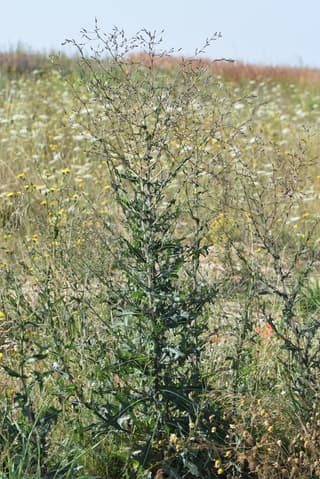
| Prickly Lettuce | Easy | Direct sun | 7d | ✓ |
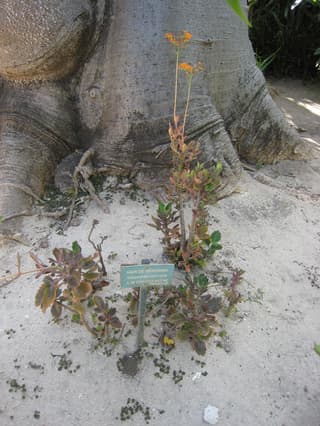
| Christmas Tree Plant | Easy | Bright indirect | 10d | ⚠️ |
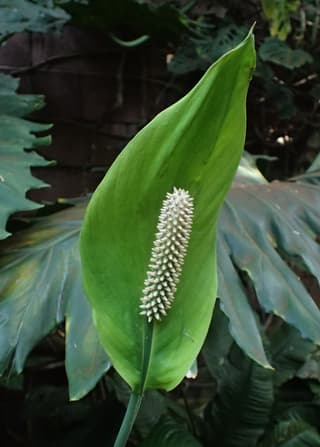
| Peace Lily | Easy | Low light | 7d | ⚠️ |