Fagaceae
Oak (Quercus): Complete Care Guide
Quercus
Hardy, low-maintenance outdoor tree. Plant in full sun with deep, well-draining soil. Water regularly for the first 2-3 years to establish roots; once established, oaks are highly drought-tolerant. Very slow-growing — allow ample space and patience.
Every 14 days
Direct sun
-35° - 45°C
30% - 70%
Categories
What is Oak?
Oak (Quercus) is a hard-care plant from the Fagaceae family. Quercus is a genus of approximately 500 species of oaks native to the northern hemisphere, spanning Europe, Asia, and the Americas. These majestic, slow-growing trees are among the most ecologically important in the world — a single mature oak can support over 500 species of insects, birds, and mamm...
Oak grows up to 24.0m, spread of 2000cm, watering every 14 days, -35°C – 45°C, 30–70% humidity. It is not suitable for indoor environments and safe for pets.
Unlike easy-care plants, Oak demands constant attention to humidity and light. Not recommended for beginners. Unlike many popular species, Oak is safe to keep around pets.
How to Care for Oak?
TLDR: Oak needs Direct sun, watering every 14 days, and temperatures between -35-45°C with 30-70% humidity.
How Often Should You Water Oak?
Water deeply and consistently for the first 2-3 years after planting to encourage deep root development. Established oaks rarely need supplemental watering except during extreme drought.
How Much Light Does Oak Need?
Full sun is ideal — at least 6 hours of direct sunlight daily. Can tolerate partial shade but develops best structure and health in full sun.
What Is the Best Soil for Oak?
Prefers deep, well-draining soil with a slightly acidic to neutral pH (4.5–7.0). Tolerates sandy, loamy, and clay soils. Avoid waterlogged or heavily compacted ground.
What Pot Should You Use for Oak?
Not applicable — outdoor landscape tree. Plant directly in the ground at a permanent location.
What Is Oak and Where Does It Come From?
Quercus is a genus of approximately 500 species of oaks native to the northern hemisphere, spanning Europe, Asia, and the Americas. These majestic, slow-growing trees are among the most ecologically important in the world — a single mature oak can support over 500 species of insects, birds, and mammals. They produce iconic acorns and can live for hundreds or even thousands of years.
How to Propagate Oak?
Acorn propagation
Use fresh acorns from the current year — viability drops quickly after harvest. Protect seedlings from squirrels and rodents that may dig up the acorns.
- 1 Collect fresh, mature acorns in autumn and discard any that are damaged or moldy
- 2 Cold-stratify acorns in moist vermiculite in the refrigerator for 4-8 weeks
- 3 Plant each acorn 2-3 cm deep in individual pots with well-draining potting mix
- 4 Keep the substrate lightly moist and place in a bright location
- 5 Transplant to a permanent outdoor location once the seedling reaches 30-50 cm tall
Materials needed:
How Big Does Oak Grow?
TLDR: Oak can reach up to 24.0m tall with Slow growth rate.
Max height
24.0m
Spread
20.0m
Growth rate
Slow
Foliage
Deciduous
Warning: Toxic Plant
This plant can be toxic if ingested. Keep out of reach of:
Plant Uses
Ornamental
Great for decoration
Is your plant showing symptoms?
Click on the symptom to discover possible causes:
What Diseases Commonly Affect Oak?
TLDR: Oak is susceptible to 9 known diseases. Monitor regularly for early detection.
Powdery Mildew
Powdery mildew is a common fungal disease caused by various fungi species including Erysiphe, Podosphaera, Oïdium, and Leveillula. It affects over 10,000 plant species worldwide. The disease thrives in warm, dry climates with high humidity and appears as a distinctive white powdery coating on plant surfaces.
Anthracnose
Anthracnose is a fungal disease caused by fungi in the genus Colletotrichum that affects many plants, including vegetables, fruits, and trees. The disease thrives in cool, wet conditions, causing dark, sunken lesions on leaves, stems, flowers, and fruits.
Canker
Canker is a disease caused by various fungi and bacteria that create necrotic, sunken areas on bark of branches, stems, and trunks. Pathogens enter through wounds and natural openings, especially when plants are stressed. Canker can gradually weaken or kill branches by disrupting water and nutrient flow.
Root Rot
Root rot is a serious fungal disease that affects the root system of plants, causing them to decay and die. It is primarily caused by overwatering, poor drainage, or soil-borne fungi such as Pythium, Phytophthora, Rhizoctonia, and Fusarium. The disease thrives in waterlogged conditions where roots are deprived of oxygen, making them susceptible to fungal infection.
Meaning & Symbolism
Oak trees are universal symbols of strength, endurance, wisdom, and longevity. Revered by the Celtic druids, associated with Zeus in Greek mythology, and designated as the national tree of England, Germany, France, and the United States.
Fun Facts
A single mature oak tree can support more than 500 species of insects, birds, and mammals.
Some oaks live for over 1,000 years — the Bowthorpe Oak in England is estimated to be over 1,000 years old.
Acorns were a staple food for many Indigenous peoples of North America, ground into flour for bread and porridge.
Oak wood is so dense and durable it was the primary material for European warships for centuries.
Frequently asked questions
How much space does an oak tree need?
How often should I water an oak tree?
Are acorns toxic to dogs?
When do oak trees produce acorns?
Compare with similar plants
| Attribute | Difficulty | Light | Watering | Pet Safe |
|---|---|---|---|---|
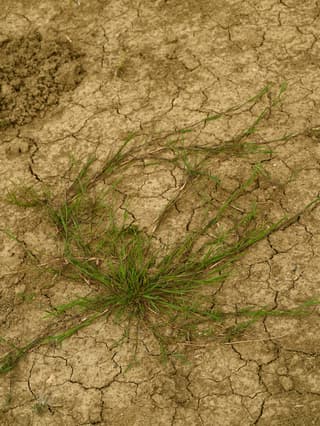
| Creeping bentgrass | Hard | Direct sun | 3d | ✓ |
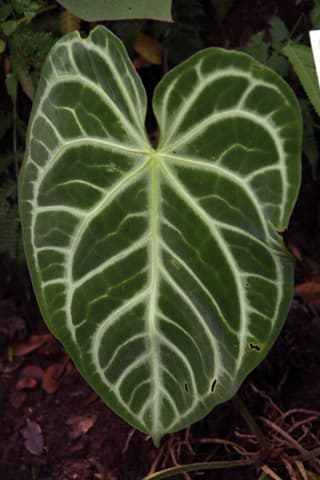
| Crystal Anthurium | Hard | Partial shade | 7d | ⚠️ |
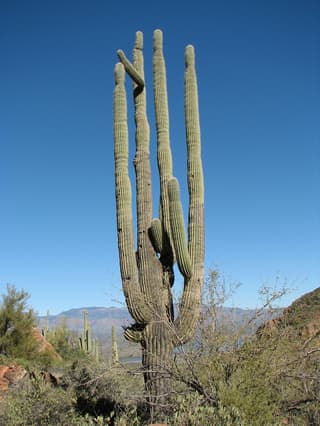
| Saguaro | Hard | Direct sun | 21d | ✓ |
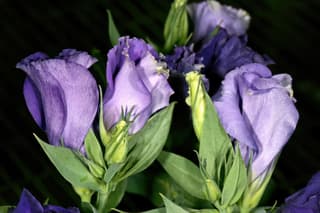
| Lisianthus | Hard | Bright indirect | 7d | ✓ |