Rosaceae
Rockspray Cotoneaster: Complete Care Guide
Cotoneaster horizontalis
An easy-to-grow, drought-tolerant shrub that thrives in full sun to partial shade. Water regularly during its first year to establish roots, then reduce to every 2 weeks. Feed once in spring. Prune after fruiting to maintain shape. Excellent for exposed and sloped sites.
Every 14 days
Bright indirect
-15° - 32°C
30% - 60%
Categories
What is Rockspray Cotoneaster?
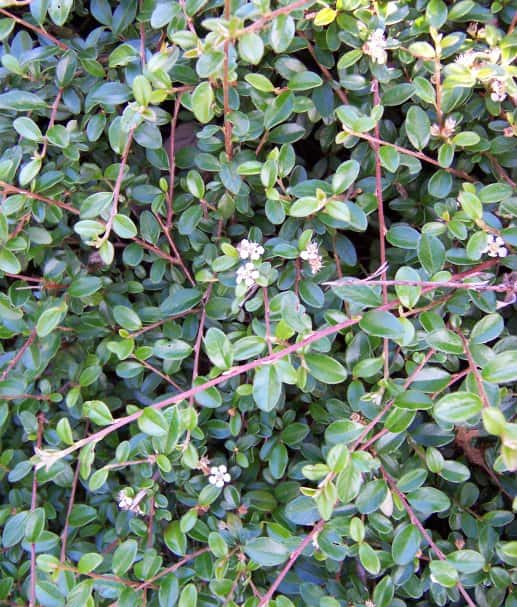
Rockspray Cotoneaster (Cotoneaster horizontalis) is a easy-care plant from the Rosaceae family. Cotoneaster horizontalis is a low-growing deciduous shrub native to western China, renowned for its distinctive fishbone (herringbone) branching pattern. It produces small pink-white flowers in spring, followed by brilliant scarlet berries in autumn that attract birds. Its dense, horizontal habit ma...
Rockspray Cotoneaster grows up to 90cm, spread of 240cm, watering every 14 days, -15°C – 32°C, 30–60% humidity. It is not suitable for indoor environments and not safe for pets.
Unlike many tropical plants, Rockspray Cotoneaster tolerates watering mistakes. Best for beginners. Without precautions, ingestion can cause irritation in pets. Keep out of reach of cats and dogs.
How to Care for Rockspray Cotoneaster?
TLDR: Rockspray Cotoneaster needs Bright indirect, watering every 14 days, and temperatures between -15-32°C with 30-60% humidity.
How Often Should You Water Rockspray Cotoneaster?
Water every 10-14 days during the growing season. Once established, Rockspray Cotoneaster is drought tolerant — reduce watering in autumn and winter. Never let the roots sit in waterlogged soil as this leads to root rot.
How Much Light Does Rockspray Cotoneaster Need?
Place in full sun for the best flowering and berry production. Tolerates partial shade but flowering will be reduced. Requires at least 4-6 hours of direct sunlight daily.
What Is the Best Soil for Rockspray Cotoneaster?
Grows well in any well-drained soil, including poor, stony, or chalky substrates. Avoid heavy clay or waterlogged conditions. Tolerates a wide pH range from 5.0 to 8.0. No need to enrich the soil — this plant thrives even in lean conditions.
What Pot Should You Use for Rockspray Cotoneaster?
For container growing use a wide, shallow terracotta or ceramic pot with excellent drainage holes. Outdoors it is best planted directly in the ground.
Care Schedule
Fertilize
Every 90 days
What Is Rockspray Cotoneaster and Where Does It Come From?
Cotoneaster horizontalis is a low-growing deciduous shrub native to western China, renowned for its distinctive fishbone (herringbone) branching pattern. It produces small pink-white flowers in spring, followed by brilliant scarlet berries in autumn that attract birds. Its dense, horizontal habit makes it excellent for ground cover, wall training, and rockery planting.
How to Propagate Rockspray Cotoneaster?
Semi-ripe cutting
Use sharp, clean secateurs. Keep the substrate moist but not soggy. Rooting can take 6-8 weeks.
- 1 Take a 10-15cm semi-ripe cutting in mid to late summer
- 2 Remove the lower leaves, leaving 2-3 leaves at the tip
- 3 Dip the cut end in rooting hormone powder
- 4 Insert into a mix of perlite and compost
- 5 Cover with a plastic bag or propagator lid to retain humidity
- 6 Place in indirect light at 18-20°C
- 7 Transplant once roots are well established
Materials needed:
Ground layering
The horizontal growth habit of this plant makes it ideal for layering. This method has a high success rate.
- 1 Select a long, flexible low-growing stem
- 2 Wound the stem lightly at a leaf node
- 3 Pin the wounded section into moist soil with a U-shaped peg
- 4 Cover with a thin layer of compost
- 5 Water regularly and keep moist
- 6 Sever from the parent plant once rooted (8-12 weeks)
Materials needed:
How Big Does Rockspray Cotoneaster Grow?
TLDR: Rockspray Cotoneaster can reach up to 90cm tall with Slow growth rate.
Max height
90cm
Spread
2.4m
Growth rate
Slow
Foliage
Deciduous
Warning: Toxic Plant
This plant can be toxic if ingested. Keep out of reach of:
Plant Uses
Ornamental
Great for decoration
Ground Cover
Soil coverage
Is your plant showing symptoms?
Click on the symptom to discover possible causes:
What Diseases Commonly Affect Rockspray Cotoneaster?
TLDR: Rockspray Cotoneaster is susceptible to 8 known diseases. Monitor regularly for early detection.
Fire Blight
Fire blight is a highly destructive and contagious bacterial disease caused by Erwinia amylovora. It primarily affects plants in the Rosaceae family, including apple, pear, quince trees, and various ornamental plants. The disease can destroy an entire orchard in a single growing season under ideal conditions, with the bacterium moving approximately 11 inches per week in new growth.
Aphids
Aphids are small, soft-bodied, pear-shaped insects (1/16 to 1/8 inch long) that feed by sucking nutrient-rich sap from plants. They reproduce rapidly and can quickly weaken plants, causing distorted growth and transmitting plant viruses. Aphids come in various colors including green, black, red, yellow, brown, and gray. They secrete honeydew, a sticky substance that attracts ants and encourages sooty mold growth.
Spider Mites
Spider mites are tiny arachnids (less than 1/20 inch long) related to spiders and ticks that feed on plant sap. They thrive in hot, dry conditions and can cause significant damage to ornamental and vegetable plants. During severe infestations, crop losses can reach 14% or higher as these pests disrupt vital plant processes including photosynthesis, carbon dioxide absorption, and transpiration.
Scale Insects
Scale insects are small sap-sucking pests that appear as brown, shell-like bumps on plant stems and leaves. There are over 25 species, divided into armored (hard) and unarmored (soft) scales. They feed by piercing plant tissue and extracting sap, which weakens the plant and can lead to yellowing, stunted growth, and even death if left untreated. They also excrete honeydew, which attracts ants and promotes sooty mold growth.
Meaning & Symbolism
The herringbone branching of Cotoneaster horizontalis symbolizes resilience, persistence, and structured beauty. Its scarlet autumn berries represent abundance and the rewards of patience.
Fun Facts
Native to western China, Cotoneaster horizontalis has naturalized widely across Europe and is considered invasive in some regions.
Its distinctive herringbone branching pattern, called 'distichous' branching, is one of the most recognizable in the plant kingdom.
The scarlet berries are a vital food source for many bird species, including thrushes and blackbirds, during winter months.
Despite being toxic if consumed, the plant is a favorite in wildlife gardens due to its exceptional value for pollinators and birds.
Frequently asked questions
How often should I water Rockspray Cotoneaster?
Is Cotoneaster horizontalis toxic to cats and dogs?
Does Rockspray Cotoneaster lose its leaves in winter?
Can I grow Cotoneaster horizontalis against a wall?
What are common problems with Cotoneaster horizontalis?
Compare with similar plants
| Attribute | Difficulty | Light | Watering | Pet Safe |
|---|---|---|---|---|
| Field Maple | Easy | Bright indirect | 14d | ✓ |
| Silver Birch | Easy | Direct sun | 14d | ✓ |
| Common Blanketflower | Easy | Direct sun | 10d | ✓ |
| Cushion Bush | Easy | Direct sun | 14d | ✓ |





