Lamiaceae
Spearmint: Aromatic Plant
Mentha spicata
Spearmint thrives with consistent moisture, fertile well-drained soil, and at least partial sun. It is best grown in containers or with root barriers to prevent invasive spreading. Pinch stems regularly to encourage bushy growth and delay flowering, which can reduce leaf flavor. Apply a balanced liquid fertilizer every 4–6 weeks during the growing season.
Every 2 days
Bright indirect
-22° - 35°C
40% - 60%
Categories
What is Spearmint?
Spearmint (Mentha spicata) is a easy-care plant from the Lamiaceae family. Spearmint (Mentha spicata) is a vigorous perennial herb in the Lamiaceae family, native to Europe and the Mediterranean but now naturalized worldwide. It is prized for its fresh, mildly sweet menthol fragrance — gentler than peppermint — and is one of the most widely cultivated culinary and medicina...
Spearmint grows up to 80cm, spread of 60cm, watering every 2 days, -22°C – 35°C, 40–60% humidity. It is suitable for indoor environments and safe for pets.
Unlike many tropical plants, Spearmint tolerates watering mistakes. Best for beginners. Unlike many popular species, Spearmint is safe to keep around pets. Without adequate drainage, root rot can develop within 7 days.
How to Care for Spearmint?
TLDR: Spearmint needs Bright indirect, watering every 2 days, and temperatures between -22-35°C with 40-60% humidity.
How Often Should You Water Spearmint?
Keep soil evenly moist but never waterlogged. Water when the top 2 cm of soil feels slightly dry. In hot summers, container-grown spearmint may need daily watering. Ensure pots have drainage holes to prevent root rot.
How Much Light Does Spearmint Need?
Grows best in full sun to partial shade (4–6 hours of direct sun per day). Indoors, place near a bright east- or west-facing window. Reduced light diminishes essential oil production and the characteristic fresh aroma.
What Is the Best Soil for Spearmint?
Prefers rich, moisture-retentive, well-drained soil with a slightly acidic to neutral pH (6.0–7.0). Amend with compost before planting. Avoid compacted or poorly drained soils that promote root rot.
What Pot Should You Use for Spearmint?
Terracotta or glazed ceramic pots with drainage holes work best, as they help regulate moisture levels. Choose containers at least 20 cm in diameter to accommodate rhizome spread. For indoor growing, a self-watering pot can help maintain consistent moisture.
Care Schedule
Fertilize
Every 21 days
Rotate
Every 14 days
Repot
Every 1095 days
What Is Spearmint and Where Does It Come From?
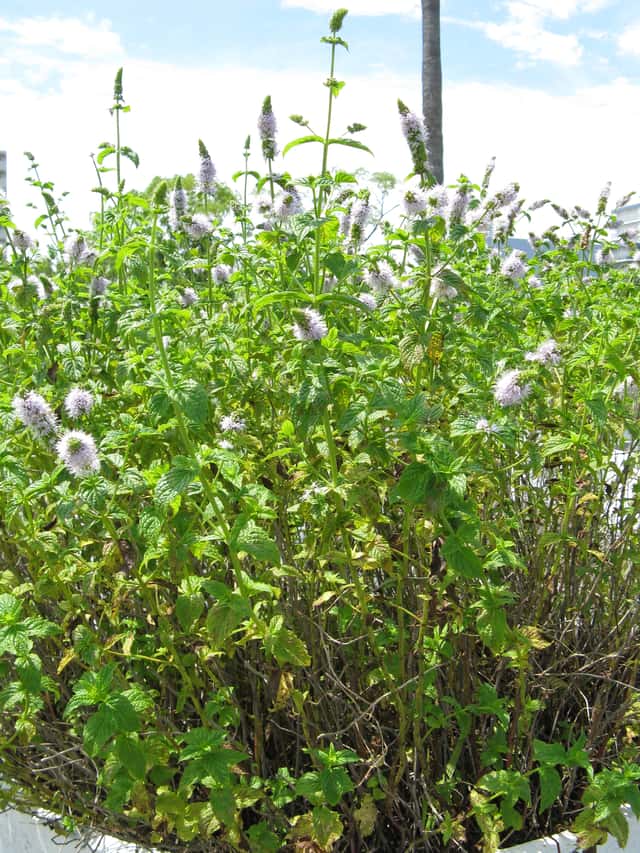
Spearmint (Mentha spicata) is a vigorous perennial herb in the Lamiaceae family, native to Europe and the Mediterranean but now naturalized worldwide. It is prized for its fresh, mildly sweet menthol fragrance — gentler than peppermint — and is one of the most widely cultivated culinary and medicinal herbs on the planet. The plant spreads aggressively through underground rhizomes, forming dense colonies. Bright green serrated leaves top upright stems that produce slender spikes of lilac or white flowers in summer, attracting bees and butterflies.
How Big Does Spearmint Grow?
TLDR: Spearmint can reach up to 80cm tall with Fast growth rate.
Max height
80cm
Spread
60cm
Growth rate
Fast
Foliage
Deciduous
Plant Uses
Edible
Can be consumed
Aromatic
Pleasant fragrance
Medicinal
Medicinal properties
Medicinal Uses
- Digestive aid — relieves bloating, gas, and indigestion
- Anti-inflammatory and mild analgesic properties
- Relieves cold and flu symptoms and nasal congestion
- Calming effect — reduces stress and headaches
- Spearmint tea for nausea and morning sickness
- May help reduce androgen levels (studied for hirsutism)
- Topical use in balms for muscle aches and joint pain
Culinary Uses
- Herbal teas and infusions
- Mojitos and fresh cocktails
- Mint sauce and jelly for lamb
- Tabbouleh and fresh salads
- Desserts — ice cream, chocolates, and cookies
- Moroccan mint tea (atay)
- Chewing gum and breath-freshening products
- Flavoring for candies, syrups, and jellies
Is your plant showing symptoms?
Click on the symptom to discover possible causes:
What Diseases Commonly Affect Spearmint?
TLDR: Spearmint is susceptible to 6 known diseases. Monitor regularly for early detection.
Aphids
Aphids are small, soft-bodied, pear-shaped insects (1/16 to 1/8 inch long) that feed by sucking nutrient-rich sap from plants. They reproduce rapidly and can quickly weaken plants, causing distorted growth and transmitting plant viruses. Aphids come in various colors including green, black, red, yellow, brown, and gray. They secrete honeydew, a sticky substance that attracts ants and encourages sooty mold growth.
Spider Mites
Spider mites are tiny arachnids (less than 1/20 inch long) related to spiders and ticks that feed on plant sap. They thrive in hot, dry conditions and can cause significant damage to ornamental and vegetable plants. During severe infestations, crop losses can reach 14% or higher as these pests disrupt vital plant processes including photosynthesis, carbon dioxide absorption, and transpiration.
Powdery Mildew
Powdery mildew is a common fungal disease caused by various fungi species including Erysiphe, Podosphaera, Oïdium, and Leveillula. It affects over 10,000 plant species worldwide. The disease thrives in warm, dry climates with high humidity and appears as a distinctive white powdery coating on plant surfaces.
Caterpillars
Caterpillars are the larval stage of moths and butterflies that feed voraciously on plant foliage, stems, flowers, and fruits. Common species include cabbage loopers, tomato hornworms, armyworms, and cutworms. These pests can cause extensive damage by consuming large amounts of plant tissue in a short time. They vary in size from small (1/4 inch) to large (5 inches), with colors ranging from green to brown, often featuring stripes or spots. Caterpillars are highly mobile and can quickly spread throughout gardens, making them one of the most destructive common pests.
Meaning & Symbolism
Spearmint has long symbolized hospitality, warmth, and vitality across Mediterranean and Middle Eastern cultures. In ancient Greece it was used in funeral rites and was believed to restore strength. Today it is associated with freshness, clarity of mind, and welcoming guests.
Compare with similar plants
| Attribute | Difficulty | Light | Watering | Pet Safe |
|---|---|---|---|---|
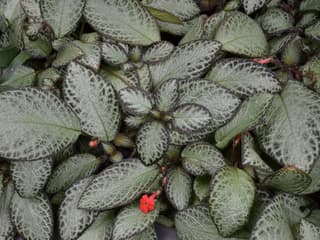
| Flame Violet | Easy | Partial shade | 7d | ✓ |
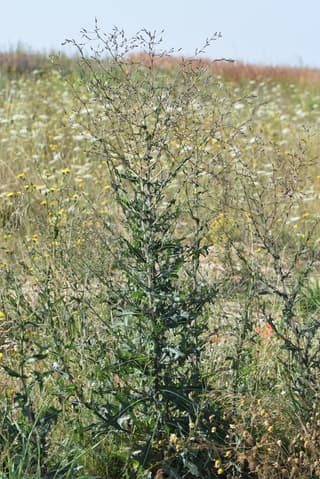
| Prickly Lettuce | Easy | Direct sun | 7d | ✓ |
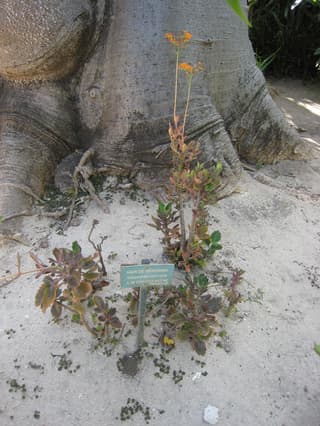
| Christmas Tree Plant | Easy | Bright indirect | 10d | ⚠️ |
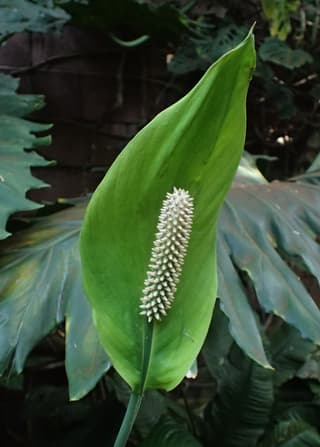
| Peace Lily | Easy | Low light | 7d | ⚠️ |