Melastomataceae
Medinilla magnifica - Rose Grape Care Guide
Medinilla magnifica
Medinilla magnifica requires bright indirect light, consistently moist but well-draining soil, and high humidity (60-80%). Water weekly, allowing the top 2 cm of soil to dry between waterings. Avoid direct sun and cold drafts. This is a demanding plant best suited for experienced growers.
Every 7 days
Bright indirect
15° - 27°C
60% - 80%
Categories
What is Rose Grape?
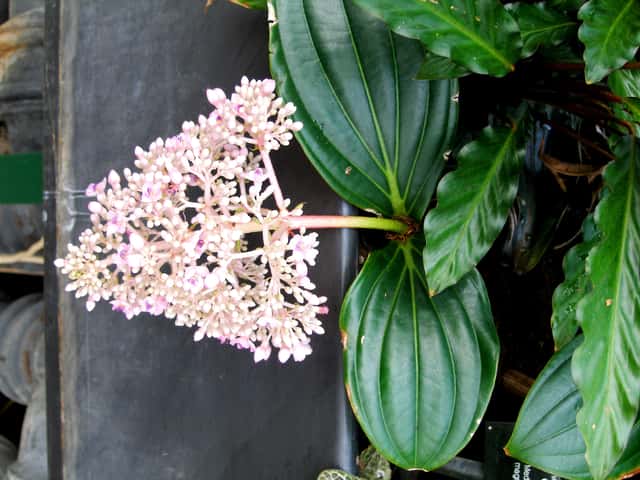
Rose Grape (Medinilla magnifica) is a hard-care plant from the Melastomataceae family. Medinilla magnifica is a stunning tropical epiphytic shrub native to the Philippines. Known for its dramatic cascading clusters of pink flowers surrounded by large pink bracts, it is one of the most spectacular flowering houseplants. Its thick, leathery dark green leaves with prominent veins add to...
Rose Grape grows up to 1.2m, with spread of 60cm, watering every 7 days, 15°C – 27°C, 60–80% humidity. It is suitable for indoor environments and safe for pets.
Unlike easy-care plants, Rose Grape demands constant attention to humidity and light. Not recommended for beginners. Unlike many popular species, Rose Grape is safe to keep around pets. Without adequate drainage, root rot can develop within 14 days.
How to Care for Rose Grape?
TLDR: Rose Grape needs Bright indirect, watering every 7 days, and temperatures between 15-27°C with 60-80% humidity.
How Often Should You Water Rose Grape?
Water once a week, allowing the top 2 cm of soil to dry before watering again. Reduce watering in winter but never let the root ball dry out completely. Avoid waterlogging as this leads to root rot.
How Much Light Does Rose Grape Need?
Provide bright indirect light. Avoid direct sunlight which can scorch the leaves. A spot near an east or north-facing window with filtered light is ideal. Insufficient light leads to poor flowering.
What Is the Best Soil for Rose Grape?
Use a rich, well-draining, slightly acidic mix (pH 6.1-6.5). A blend of peat moss, perlite, and orchid bark works well. Good drainage is essential to prevent root rot.
What Pot Should You Use for Rose Grape?
Use a ceramic or terracotta pot with drainage holes. Terracotta helps wick excess moisture. Choose a pot only slightly larger than the root ball as Medinilla prefers being slightly pot-bound.
Care Schedule
Fertilize
Every 30 days
Misting
Every 3 days
Rotate
Every 14 days
Repot
Every 730 days
What Is Rose Grape and Where Does It Come From?
Medinilla magnifica is a stunning tropical epiphytic shrub native to the Philippines. Known for its dramatic cascading clusters of pink flowers surrounded by large pink bracts, it is one of the most spectacular flowering houseplants. Its thick, leathery dark green leaves with prominent veins add to its ornamental appeal even when not in bloom.
How to Propagate Rose Grape?
Stem cutting
Bottom heat is critical for successful propagation. Use clean, sharp tools and change the moss if mold appears. Patience is key as rooting can take several weeks.
- 1 Select a healthy stem with at least two nodes and two leaves
- 2 Cut just below a node using sterile pruning shears
- 3 Dip the cut end in rooting hormone powder
- 4 Plant in a mix of damp sphagnum moss and perlite
- 5 Maintain bottom heat at 30-35°C using a heating mat
- 6 Keep humidity high by covering with a clear plastic bag
- 7 Mist regularly and wait for roots to develop
Materials needed:
Seed propagation
Seed propagation is very slow and unreliable. Stem cuttings are the preferred method for home growers.
- 1 Harvest ripe berries and extract seeds
- 2 Sow seeds on the surface of moist sphagnum moss
- 3 Do not cover seeds as they need light to germinate
- 4 Maintain high humidity and warmth (25-30°C)
- 5 Be patient as germination is slow and erratic
Materials needed:
How Big Does Rose Grape Grow?
TLDR: Rose Grape can reach up to 1.2m tall with Medium growth rate.
Max height
1.2m
Spread
60cm
Growth rate
Medium
Foliage
Evergreen
Plant Uses
Ornamental
Great for decoration
Is your plant showing symptoms?
Click on the symptom to discover possible causes:
What Diseases Commonly Affect Rose Grape?
TLDR: Rose Grape is susceptible to 9 known diseases. Monitor regularly for early detection.
Root Rot
Root rot is a serious fungal disease that affects the root system of plants, causing them to decay and die. It is primarily caused by overwatering, poor drainage, or soil-borne fungi such as Pythium, Phytophthora, Rhizoctonia, and Fusarium. The disease thrives in waterlogged conditions where roots are deprived of oxygen, making them susceptible to fungal infection.
Powdery Mildew
Powdery mildew is a common fungal disease caused by various fungi species including Erysiphe, Podosphaera, Oïdium, and Leveillula. It affects over 10,000 plant species worldwide. The disease thrives in warm, dry climates with high humidity and appears as a distinctive white powdery coating on plant surfaces.
Gray Mold (Botrytis Blight)
Gray mold, caused by the fungus Botrytis cinerea, is one of the most common fungal diseases in plants. It affects over 200 plant species, including ornamentals, vegetables, fruits, and houseplants. The disease thrives in cool, humid conditions with poor air circulation, causing grayish spots and soft rot on infected tissues.
Leaf Spot
Leaf spot is a common fungal disease caused by various pathogens including Alternaria, Ascochyta, Colletotrichum, Septoria, and Venturia. It primarily affects leaves, causing discolored spots that can lead to premature leaf drop if left untreated.
Meaning & Symbolism
Symbolizes elegance, magnificence, and refined beauty. In Filipino culture, it is associated with the goddess Lakapati and believed to invite prosperity and positive energy into the home.
Fun Facts
In the wild, Medinilla magnifica grows as an epiphyte on tree branches in tropical rainforests of the Philippines
The plant can produce flower clusters up to 45 cm long, making it one of the most dramatic flowering houseplants
Medinilla magnifica was introduced to European horticulture in the 1850s and quickly became a prized conservatory plant among Victorian collectors
The genus Medinilla contains over 400 species, but magnifica is by far the most popular in cultivation
Frequently asked questions
How often should I water my Medinilla magnifica?
Why are the leaves on my Medinilla turning yellow?
How do I get my Medinilla magnifica to bloom?
Is Medinilla magnifica toxic to pets?
Compare with similar plants
| Attribute | Difficulty | Light | Watering | Pet Safe |
|---|---|---|---|---|
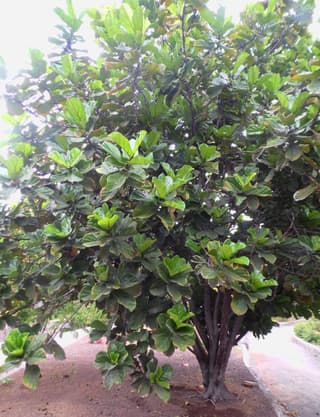
| Fiddle Leaf Fig | Hard | Bright indirect | 10d | ⚠️ |
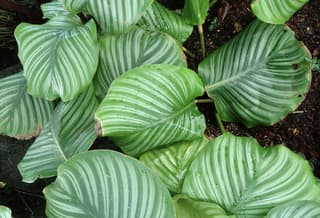
| Round-leaf Calathea | Hard | Partial shade | 7d | ✓ |
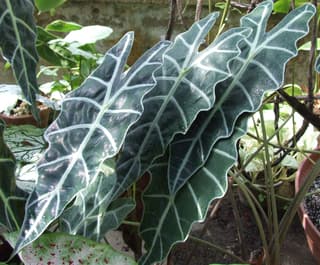
| African Mask Plant | Hard | Partial shade | 5d | ⚠️ |
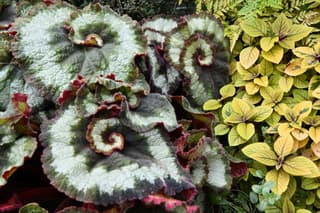
| Rex Begonia | Hard | Partial shade | 7d | ⚠️ |